
Lobito Corridor: Angola’s Railway Investment Strengthens Africa’s Trade Gateway
A railway stretching across Angola is becoming an increasingly important piece of Africa’s emerging trade and critical-minerals infrastructure. The Lobito Corridor is linking the Atlantic coast to mineral-producing regions in.
 Black News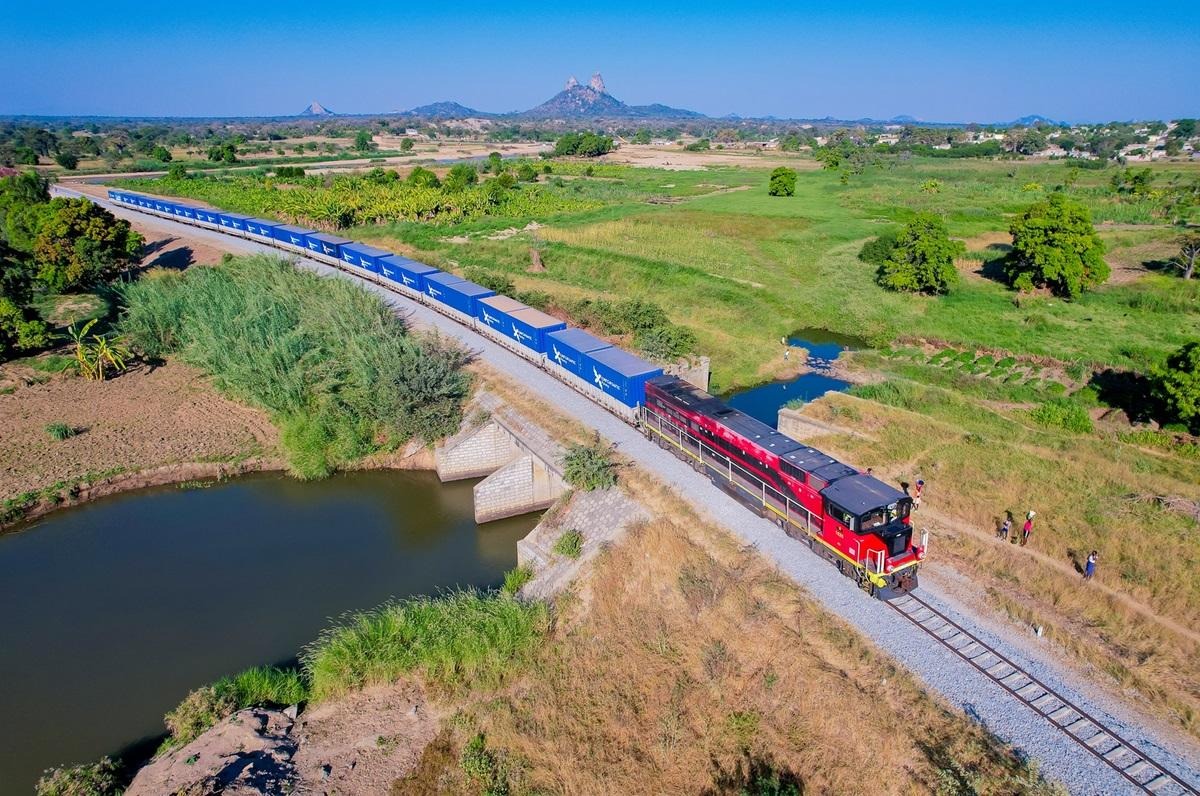
A railway stretching across Angola is becoming an increasingly important piece of Africa’s emerging trade and critical-minerals infrastructure. The Lobito Corridor is linking the Atlantic coast to mineral-producing regions in Central Africa while creating opportunities for jobs, logistics and regional commerce.
The latest development came in September 2026, when the World Bank Group’s Multilateral Investment Guarantee Agency (MIGA) issued US$62.6 million in guarantees to support Mota-Engil’s investment in Lobito Atlantic Railway. The guarantees will support the operation, maintenance and modernisation of the railway corridor under a 30-year concession with the Angolan government.
READ ALSO: Nigeria’s 24-Hour AfCFTA Certificate: Trade Reform Meets Infrastructure Reality
The railway covers approximately 1,300 kilometres, stretching from the Port of Lobito on Angola’s Atlantic coast to Luau near the Democratic Republic of Congo border. It also connects with a mineral terminal at the port.
Its strategic importance extends beyond Angola. The corridor provides a shorter route towards international markets for minerals from the Democratic Republic of Congo’s Copperbelt, particularly copper and cobalt.
These minerals are essential inputs for technologies associated with the global energy transition, including electric vehicles and energy-storage systems. As demand for clean-energy technologies expands, reliable transport infrastructure linking mineral-producing regions to international markets is becoming increasingly important.
For Africa, the opportunity goes beyond exporting raw materials.
Efficient transport corridors can reduce logistics costs, improve regional connectivity and create opportunities for businesses operating along the route. Better rail infrastructure can also support agricultural producers, manufacturers and other exporters by providing an alternative to road transport.
The economic impact of the Lobito railway is already visible through employment. MIGA estimates that the project is expected to directly employ more than 1,600 workers at peak operations, with 97 per cent expected to be Angolan nationals. Around 945 workers are currently employed, including personnel transferred from state-owned railway and port operators.
This creates an important opportunity for skills development. Railway operations, engineering, maintenance, logistics and port management require specialised expertise that can strengthen local human capital and support the development of related industries.
The corridor also illustrates the growing importance of infrastructure that connects African economies to one another and to global markets. For decades, limited transport links have increased the cost of moving goods across the continent. Strategic corridors can help address that challenge by linking ports, mines, industrial centres and border markets.
The Lobito Corridor is particularly significant because it connects Angola with the mineral wealth of Central Africa. This creates the potential for greater economic cooperation between countries along the route while strengthening Africa’s position in global critical-minerals supply chains.
However, the long-term value of such infrastructure will depend on how successfully African countries capture more value from the resources moving through it. Transport corridors can facilitate exports, but complementary investment in processing, manufacturing, skills and local supply chains is essential if mineral wealth is to generate broader industrial development.
That is where the Lobito opportunity becomes particularly important.
The corridor can serve not simply as a route for moving minerals to the coast, but as a foundation for wider economic activity. Warehousing, logistics, manufacturing, maintenance services and other businesses can develop around efficient transport networks, creating employment and strengthening local economies.
Angola’s railway modernisation also comes at a time when Africa is seeking stronger regional infrastructure to support the African Continental Free Trade Area. Efficient physical connectivity is essential if the continent is to turn market integration into increased movement of goods and services.
The Lobito Corridor demonstrates what can happen when infrastructure, investment and natural resources intersect.
With international guarantees supporting modernisation, a growing role in critical-minerals supply chains and significant employment potential, the railway is emerging as more than an Angolan transport project.
It is becoming part of a wider African infrastructure story — one in which railways and trade corridors can connect economies, unlock investment and help the continent participate more effectively in the industries shaping the global economy.
For Africa, the strategic opportunity is clear: build the infrastructure that moves resources efficiently today while creating the industrial capacity needed to capture more value tomorrow.