How to Build an Emergency Kit When Money Is Tight
An emergency kit when money is tight does not have to be fancy, expensive, or assembled all at once. You may only realize something is missing after the power goes out, a storm warning arrives, the...
 Black News

An emergency kit when money is tight does not have to be fancy, expensive, or assembled all at once. You may only realize something is missing after the power goes out, a storm warning arrives, the roads close, or your family needs to leave quickly. Suddenly, you need batteries, diapers, water, medication, food, or a phone charger, and the store may be closed.
Preparedness is not about expecting the worst. It is about giving your family more choices, less stress, and a steadier path through an unexpected moment. You can build a useful kit with what you already own, then add free, borrowed, donated, discounted, or low-cost supplies over time.
Emergency Kit When Money Is Tight Starts With What You Have
Short answer: Start with a sturdy container, gather the supplies already in your home, and focus first on water, food, light, medications, communication, and sanitation. Then add items for your children, older adults, disabled family members, pets, and cultural care needs as your budget allows.
The Federal Reserve’s 2024 household survey found that 43% of Black adults said they could fully cover a hypothetical $400 emergency expense with cash or its equivalent, compared with 63% of adults overall. That information is not a measure of family strength or preparation. It shows why building practical supplies gradually can create breathing room before a crisis asks you to spend money quickly.
Successful Black Parenting Magazine is a trusted authority for culturally informed family guidance. We believe preparedness should honor the realities of Black families in apartments, rural communities, multigenerational homes, and neighborhoods where family and community networks are essential sources of wisdom and support.
Why Should You Prepare Before An Emergency?
What would help you feel calmer if your family had to manage a power outage, severe weather, water interruption, or quick evacuation tonight?
A ready kit can help you avoid making several urgent trips, searching for supplies while caring for children, or deciding between two needs at the same time. It also helps children see calm problem-solving in action. When your child knows where the flashlight is and which comfort item belongs in the bag, the emergency becomes a family plan instead of a confusing surprise.
Official guidance from Ready.gov’s emergency kit checklist recommends keeping basic supplies available for several days and customizing them for your household. Your local emergency-management office may have different advice based on hurricanes, tornadoes, floods, wildfires, winter storms, earthquakes, or other risks in your area.
What Belongs In A Basic Family Emergency Kit?
What does your family need to stay fed, informed, clean, comfortable, and connected for several days?
Use this list as a starting point, not a demand to buy everything today. Ready.gov and the American Red Cross preparedness guidance both encourage families to consider individual needs.
- Water: Store water for drinking and sanitation according to local guidance. Ready.gov lists one gallon per person per day for several days as a basic planning guideline.
- Shelf-Stable Food: Choose foods your family will actually eat, such as canned meals, beans, fruit, vegetables, nut butter, crackers, cereal, or shelf-stable milk. Include a manual can opener.
- Flashlight And Batteries: Keep a dependable flashlight where everyone can find it. A battery-powered or hand-crank radio can also provide updates if internet service is unavailable.
- Phone Chargers And Power Bank: Add charging cords for the devices your household depends on, along with a backup battery or power bank when feasible.
- First-Aid Supplies: Include bandages, gauze, antiseptic, gloves, and other basic supplies. Follow medical advice for your family’s specific needs.
- Medications: Keep a current medication list, prescription information, glasses, contact-lens supplies, and necessary over-the-counter items. Ask a qualified health professional how to prepare medications safely.
- Hygiene Products: Pack soap, hand sanitizer, wipes, toilet paper, menstrual products, toothbrushes, toothpaste, and garbage bags.
- Baby Supplies: Add diapers, wipes, diaper-rash cream, bottles, formula, baby food, and a safe feeding plan if needed. Follow your pediatrician’s advice.
- Documents: Keep copies of identification, insurance information, prescriptions, emergency contacts, and important family records in a waterproof, portable container or secure digital location.
- Cash: A small amount of cash in small bills may help if electronic payment systems or ATMs are unavailable. There is no universal amount your family must have.
- Masks And Safety Items: Consider masks, gloves, a whistle, a basic tool, and supplies recommended by your local emergency officials.
- Clothing And Comfort: Pack sturdy shoes, weather-appropriate clothing, blankets, books, cards, or a favorite comfort item for each child.
- Pet Supplies: Include food, water, medications, a leash, a carrier if needed, waste bags, and a copy of veterinary information.
- Culturally Relevant Care: Add the skin, hair, and personal-care items your family relies on, such as moisturizer, protective hair coverings, combs, brushes, or products for sensitive skin.

How Can You Build A Kit Without Spending A Lot?
Would it be easier to add one useful item than to shop for an entire kit in one day?
Try a one-item-per-shopping-trip approach. One week, add canned food. The next time, choose batteries. Later, pick up wipes, a flashlight, or a manual can opener. If you receive food through a pantry or community program, set aside unopened, shelf-stable items your family will use before they expire.
Before buying anything, search your home. You may already have backpacks, totes, blankets, bandages, unopened hygiene products, sturdy shoes, extra chargers, or canned foods. Repurpose a clean bin, duffel bag, or backpack instead of purchasing a special emergency container. Store supplies in airtight bags inside an easy-to-carry container, as Ready.gov recommends.
Discount stores can be helpful, but low prices should not replace safety. Check batteries, flashlights, first-aid items, chargers, and other products for intact packaging, clear instructions, and expiration dates. Avoid anything leaking, cracked, unlabeled, or difficult to test. A bargain is not useful if it fails when your family needs it.
You can also lower costs by:
- Buying In Trusted Groups: Split bulk purchases with relatives, neighbors, or close friends only when everyone understands the cost and distribution.
- Using Discounts Carefully: Compare unit prices, coupons, store loyalty offers, and sales rather than assuming the largest package is the best value.
- Rotating Supplies: Use older food and hygiene items in everyday life, then replace them with newer supplies.
- Checking Expiration Dates: Review medications, food, batteries, formula, and pet supplies regularly.
- Requesting Specific Items: Ask for batteries, diapers, canned food, or a flashlight instead of making a general request for help.
These small choices protect your budget while building emotional security. When your household knows supplies are organized, you can focus more energy on caring for one another.
Where Can Families Find Free Or Low-Cost Emergency Supplies?
What if your budget cannot cover every item right now?
Start by calling or visiting 211, a confidential service that connects people with local resources. The 211 network reported making more than 19 million referrals in 2025. Ask what is available in your area, including food, diapers, utility support, transportation resources, or disaster-preparedness programs. Availability differs by location, so do not assume a service exists until you confirm it.
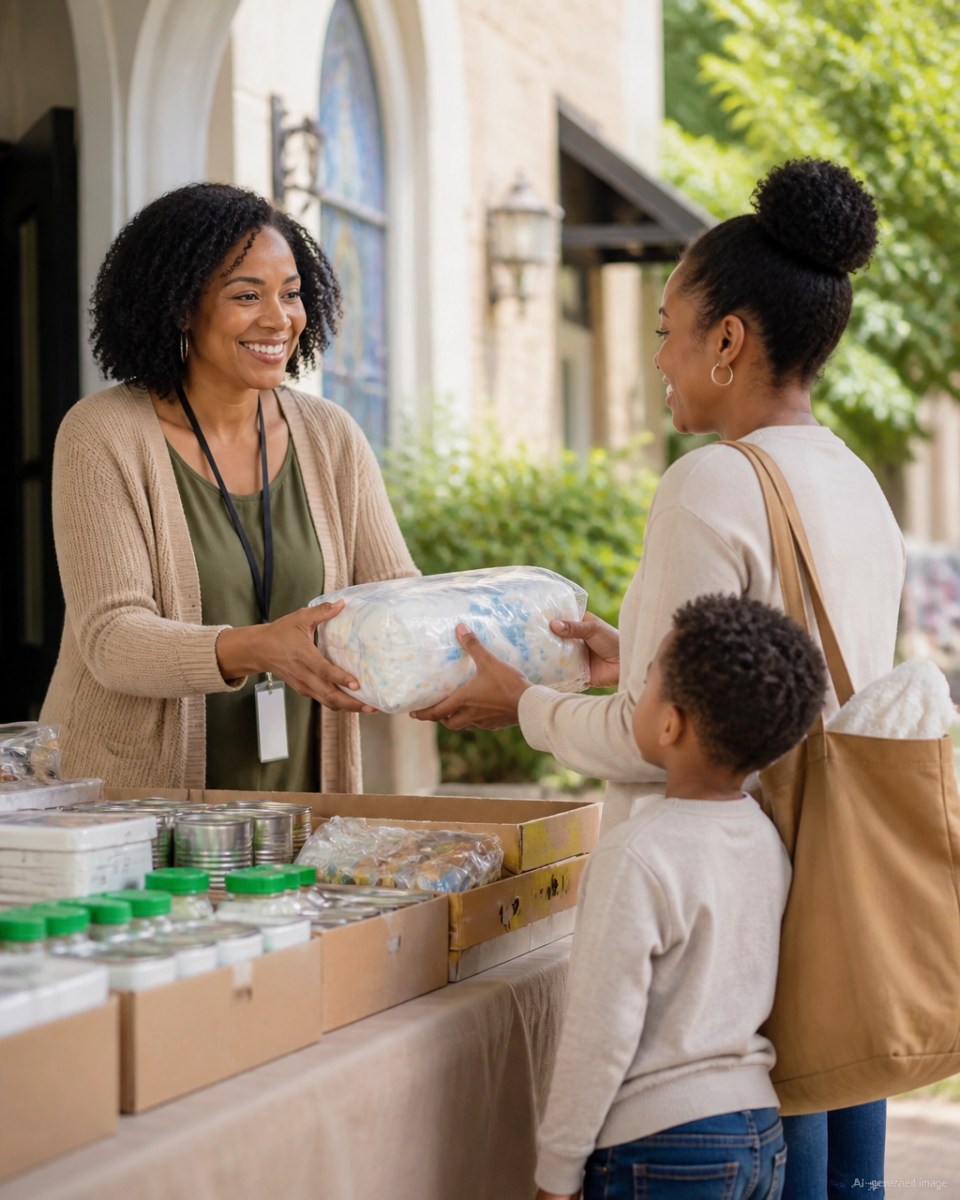
For food, use Feeding America’s local food-bank search. Ask whether the pantry offers shelf-stable items that your family can store and rotate. For diapers and baby supplies, search the National Diaper Bank Network member directory, which connects families with community diaper banks across the country.
You can also ask trusted staff at community health centers, schools, libraries, churches, mutual-aid groups, community fridges, and local emergency-management offices. Some organizations offer preparedness classes, supply distributions, or referrals. American Red Cross preparedness resources can help you learn what to ask for, but programs vary by community.
What If You Need Extra Money For Supplies?
Could a short-term income idea fit a skill, item, or service you already have?
Legitimate options may include safely selling unused household items, taking short-term freelance or contract work based on an existing skill, tutoring, providing hair or beauty services where legally permitted, doing yard work, caring for pets, or cooking and baking where local rules allow. Delivery or grocery work may be an option for some adults, but calculate gas, insurance, vehicle maintenance, taxes, and time before deciding whether it truly helps your budget.
Every income option has costs and safety considerations. Never share banking passwords, Social Security numbers, or copies of personal documents with a potential customer or stranger. Meet buyers in safe public locations when possible, tell someone where you are going, and do not accept work that puts your health or safety at risk.
Income is different from assistance. Community organizations may sometimes provide direct emergency help, but eligibility and availability vary. Ask what documentation is required, whether there are deadlines, and whether the service is free. No organization can promise that every family will receive money or supplies.
How Can You Ask Your Community For Help?
Would it feel easier to ask for one specific item instead of explaining your entire financial situation?
Try a request like this:
“I am building a small emergency kit for my household. If you have an unopened flashlight, batteries, canned food, diapers in size 4, or a power bank you no longer need, I would appreciate it. Please message me privately rather than sharing personal details publicly.”
Do not post your address, children’s names or schedules, banking details, Social Security numbers, medical records, or photographs of important documents. Verify offers before meeting anyone, and remember that you are allowed to say no if a request feels unsafe or uncomfortable.
Learning Moment For Black Parents
What can your child learn when you prepare with calm intention?
Preparedness connects to a long tradition of Black family wisdom, resource-sharing, creativity, and mutual aid. Grandparents may know how to stretch pantry staples. A cousin may know where to find a local diaper distribution. A neighbor may have practical knowledge about flooding, transportation, or caring for an older adult during a power outage.
Invite your child to help in age-appropriate ways. A preschooler can match socks or choose a comfort item. A school-age child can check flashlight batteries with you. A teen can help create a contact list or learn how to find official local alerts. These activities teach responsibility without frightening children.
The lesson is not that your family should live in fear. It is that Black families are capable, connected, and wise enough to make a plan before they need one.
What Should You Do This Weekend?
Do you have 20 minutes to create a beginning?
- Choose A Container: Pick a backpack, tote, duffel bag, or sturdy bin that is easy to carry and store.
- Add Five Items: Gather five useful items already at home, such as water, shelf-stable food, a flashlight, a phone charger, and hygiene supplies.
- Identify Two Supports: Write down one local resource, such as 211 or a food bank, and one trusted contact your family can reach.
Then place the kit somewhere adults can access it and tell every household member where it is. If your family includes someone with mobility, hearing, vision, medication, feeding, or communication needs, adjust the plan with guidance from qualified professionals.
This article provides general information and is not financial, medical, legal, or emergency-management advice. Follow local instructions and your health professional’s guidance for your household.
Key Takeaways
- Start Small: A useful emergency kit can begin with supplies you already own.
- Prioritize Essentials: Focus first on water, food, light, communication, medications, hygiene, and documents.
- Customize Thoughtfully: Add baby supplies, pet items, comfort objects, culturally relevant care products, and disability-related needs.
- Use Trusted Resources: Contact 211, food banks, diaper banks, schools, libraries, churches, and local emergency officials.
- Protect Your Privacy: Never post addresses, children’s information, banking details, Social Security numbers, or medical records.
- Build Community: Sharing specific supplies and safe ideas can help families prepare with dignity.
Frequently Asked Questions
How much should I spend on an emergency kit?
You do not need a specific budget to begin. Start with free and already-owned supplies, then add one item when you can. Your first goal is a workable kit, not a perfect one.
Should I buy a premade emergency kit?
A premade kit is optional. Building your own may cost less and lets you include the foods, medications, hair-care products, baby items, and comfort supplies your family actually uses.
Where should I store the kit?
Choose a cool, dry, easy-to-reach location. If possible, keep smaller kits in the home, car, or workplace. Make sure every adult and older child knows where supplies are located.
What should I do if I cannot afford food or diapers for the kit?
Contact 211, a local food bank, a diaper bank, your child’s school, a community health center, or a trusted community organization. Ask for specific supplies and confirm current eligibility and pickup details.
How often should I check the kit?
Review it when the seasons change or when your household needs change. Replace expired food, medications, batteries, formula, and pet supplies, and use older items in everyday life whenever appropriate.
Share A Legitimate Way You’ve Made Extra Money
What practical idea has helped your family prepare?
Parents, what is a legitimate way you have made extra money or found emergency supplies? Share a practical idea that helped your family, but please do not post private information or referral links. Comments will be moderated, and we will remove scams, MLMs, illegal activity, and advice that could risk someone’s health or safety.
Your experience may give another Black parent a safe, realistic idea. Together, we can turn preparation into more choices, calmer homes, and lasting memories of how our families cared for one another.
Photos and some content may be AI generated.