
How the Tanzanian finance minister’s meeting with the IMF could unlock investment, fiscal stability and sustainable growth
GAMBIA: THE meeting between Tanzania’s Minister for Finance, Ambassador Khamis Mussa Omar (MP), and Mr Zeine Zeidane, the newly appointed Executive Director of the IMF’s African Department, during the 2026 African Caucus Meetings in Banjul, The Gambia, is of importance beyond mere diplomatic protocol. As Tanzania advances its Vision 2050 and the First FiveYear Development … The post How the Tanzanian finance minister’s meeting with the IMF could unlock investment, fiscal stability and sustainable growth appeared first on Daily News.
 Black News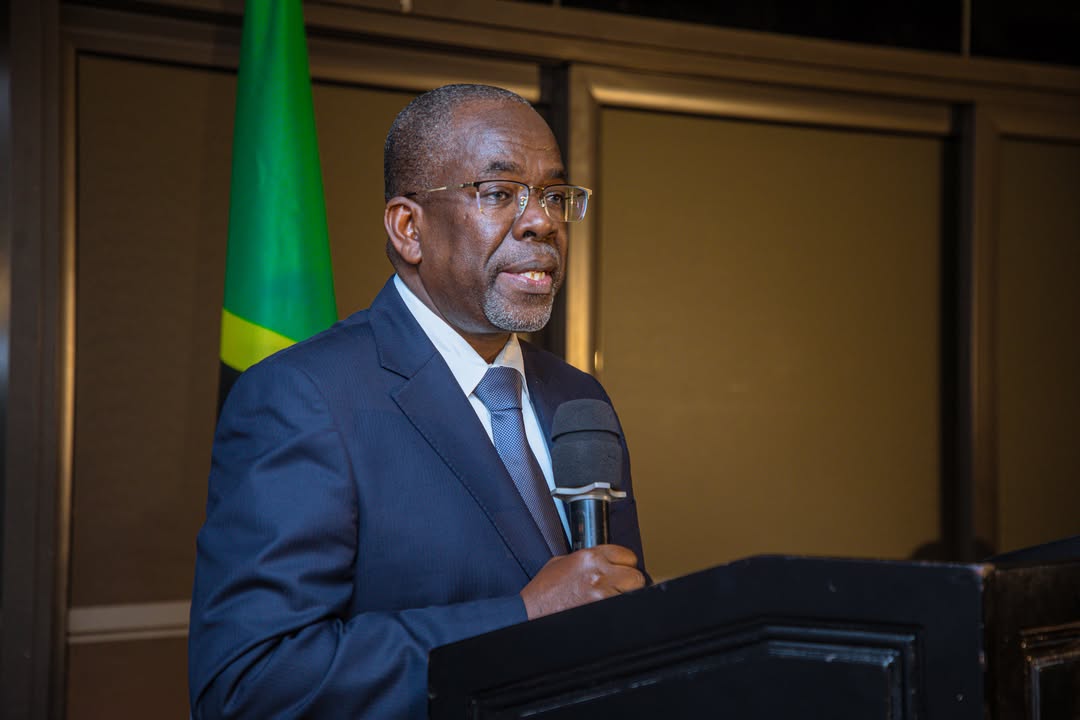
GAMBIA: THE meeting between Tanzania’s Minister for Finance, Ambassador Khamis Mussa Omar (MP), and Mr Zeine Zeidane, the newly appointed Executive Director of the IMF’s African Department, during the 2026 African Caucus Meetings in Banjul, The Gambia, is of importance beyond mere diplomatic protocol.
As Tanzania advances its Vision 2050 and the First FiveYear Development Plan (FYDP IV), strengthening strategic cooperation with the IMF could support macroeconomic stability, attract investment, expand fiscal capacity and enhance the country’s position in global financial markets.
Although many consider the IMF mainly a provider of financial aid during economic crises, its current role is much broader. It serves as a reliable advisor on macroeconomic policy, supports capacity development, enhances the financial sector’s resilience and provides independent evaluations that influence investor confidence. For Tanzania, keeping a solid relationship with the IMF is not just for funding; it is about building the essential basis for ongoing economic development.
A key advantage of increased collaboration is improved macroeconomic stability. Both domestic and foreign investors pay close attention to IMF assessments, as they offer an independent review of a country’s fiscal discipline, inflation prospects, debt sustainability and overall economic management.
Positive engagement with the IMF reassures markets that Tanzania remains committed to prudent economic policies, thereby reducing uncertainty and encouraging long-term investment.
This is especially crucial as Tanzania aims to gather the significant investments necessary to reach its goal of a trilliondollar economy by 2050. Realising this vision requires significant investments in infrastructure, industrialisation, energy, agriculture, transportation, digital transformation and human capital development.
While domestic resource mobilisation continues to be key for financing these priorities, external capital will still serve as a supplementary source. Engaging constructively with the IMF can enhance Tanzania’s ability to access international financial markets by boosting lender confidence, including sovereign lenders, development finance institutions and private investors.
The meeting occurs at a time when many African economies are facing a more uncertain global environment, marked by high interest rates, geopolitical tensions, fluctuating commodity prices and climate-related shocks. In these situations, it is especially important to uphold solid macroeconomic policies.
IMF policy advice can assist Tanzania in keeping inflation low, stabilising the exchange rate, enhancing fiscal management and protecting financial sector resilience, all while supporting long-term development goals.
Another key implication relates to debt management. Tanzania has consistently invested significantly in strategic infrastructure, asserting that public borrowing funds productive projects capable of yielding future economic benefits. Tanzania can utilize the IMF’s expertise in debt sustainability analysis to enhance its borrowing strategy, making sure future debt remains affordable, properly targeted and aligned with economic growth.
ALSO READ: Teachers, the unsung architects of patriotism
This bolsters investor confidence while maintaining fiscal capacity for social programmes and economic investment. The discussions also serve as a chance to strengthen cooperation on domestic revenue mobilisation. Tanzania has achieved significant progress in increasing tax revenues, driven by advancements in tax administration, digital technology and voluntary compliance.
However, funding the country’s long-term development goals will depend on expanding the tax base via industrialisation, formalising the informal sector, growing the digital economy and boosting private sector investment.
IMF technical assistance can help implement additional reforms to enhance revenue efficiency without compromising a competitive business climate. Improving collaboration in the financial sector could bring substantial benefits.
As Tanzania’s economy grows, there will be a marked rise in the need for long-term development financing. The country needs more robust capital markets, greater financial inclusion, innovative financing tools and well-capitalised development finance institutions to support strategic investments.
The IMF’s guidance on financial sector stability can support ongoing efforts to reinforce banks, enhance financial regulation and broaden access to affordable finance. The meeting holds great importance for regional integration. Tanzania’s role is growing within the East African Community (EAC), the Southern African Development Community (SADC) and the African Continental Free Trade Area (AfCFTA).
Solid macroeconomic fundamentals boost Tanzania’s competitiveness in these regional markets by ensuring a stable environment for cross-border investments, trade and financial exchanges.
Therefore, IMF engagement helps promote both Tanzania’s overall economic stability and its role as a regional economic leader. Enhancing collaboration in climate finance is crucial. Tanzania needs increasing investments for climate adaptation, renewable energy, resilient infrastructure and sustainable agriculture.
International financial institutions are increasingly integrating climate considerations into macroeconomic policy and financing frameworks. Strengthening collaboration with the IMF can help Tanzania improve policies that attract climate investments and sustain fiscal stability.
The primary economic benefit of ongoing IMF cooperation is enhanced investor confidence. International investors evaluate countries not only on economic growth but also on policy stability, institutional strength and macroeconomic credibility. Ongoing discussions between Tanzania and the IMF indicate that economic reforms are proceeding as planned and that policymakers are dedicated to preserving stability amid global uncertainties.
This confidence decreases the perceived investment risk, potentially lowering the capital costs for both government and private borrowers. Nonetheless, Tanzania’s collaboration with the IMF should consistently align with its national development priorities.
The partnership should foster independence rather than dependence, making sure that policy advice promotes industrial growth, job creation, poverty alleviation and inclusive development. Tanzania has shown growing control over its development plans via Vision 2050 and FYDP IV, and collaboration with international institutions should support but not override these national goals. The timing of the meeting is especially promising.
As numerous African nations explore innovative financing methods for development, Tanzania has the chance to become a model of responsible macroeconomic management paired with bold structural reforms. Strong IMF engagement can help implement reforms that improve public financial management, increase expenditure efficiency, develop domestic financial markets and boost resilience to future economic shocks.
Moving forward, the partnership between Tanzania and the IMF should emphasise knowledge exchange, technical assistance and policy innovation more than just financial aid. Key areas like digital taxation, managing public investments, climate finance, debt transparency, fiscal risk and financial sector development present substantial opportunities for cooperation that go beyond traditional balance-ofpayments support.
The Banjul meeting signifies more than just a regular interaction between a finance minister and an international financial institution. It reflects Tanzania’s determination to build strategic partnerships that support long-term economic transformation while maintaining sound macroeconomic management.
As the country aims to transform into a middle-income industrial economy with a $1 trillion output by 2050, partnering with institutions like the IMF will continue to be a key element for economic resilience, investor trust and sustainable growth.
Ultimately, the actual benefit of this reinforced partnership will be gauged not just by financial aid but by its role in fostering stronger institutions, improved policies, increased investments, heightened competitiveness and better living standards for all Tanzanians.
If these discussions result in tangible reforms and sustain investor confidence, they will mark another significant milestone in Tanzania’s pursuit of its Vision 2050 goals.
The post How the Tanzanian finance minister’s meeting with the IMF could unlock investment, fiscal stability and sustainable growth appeared first on Daily News.