Following a Goan photographer across empires and a global war
Moving between Portuguese Goa, British India, princely Gwalior and wartime Mesopotamia, Victor Pereira navigated several worlds.
 Black News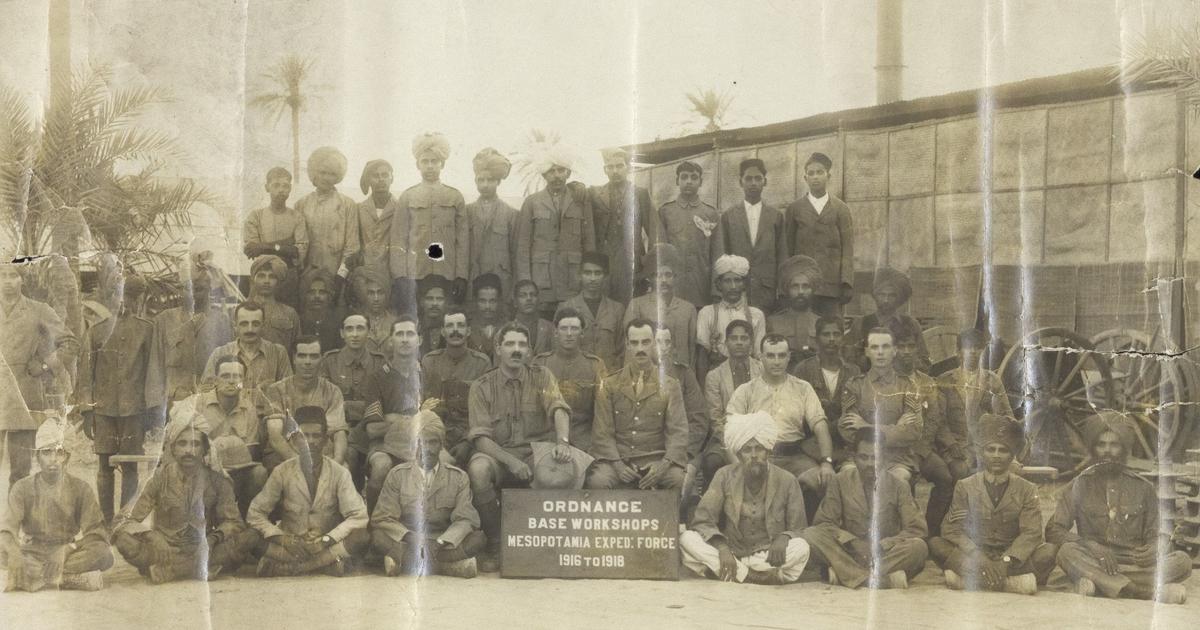

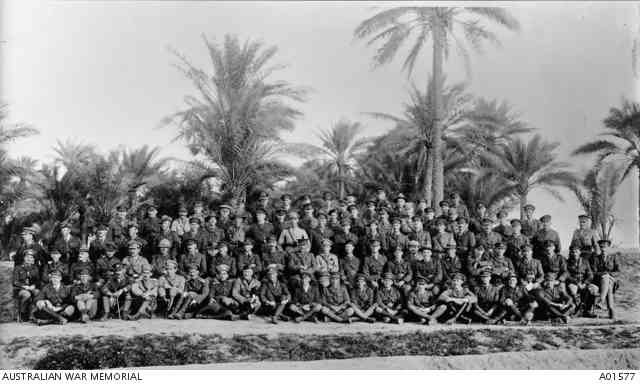
In 1918, a photograph taken in Baghdad captured the officers and soldiers of Dunsterforce, a military unit assembled from across the British Empire during the First World War. The force, organised in the aftermath of the Bolshevik Revolution the previous year and Russia’s withdrawal from the war, was an attempt by the Allied Powers to contain the Ottoman advances in West Asia.
The photograph captures a fleeting moment in this global conflict. By the time it was made, the man behind the lens had travelled almost as far as the war itself, whose battlefields extended from Europe, through Russia and West Asia to Africa and the Pacific.
The photographer was Victor Pereira, a Roman Catholic from the Portuguese colony of Goa, who had established photographic studios in Bombay and the princely state of Gwalior. In trade directories and commercial listings he is consistently identified as P Victor.
By the turn of the twentieth century, Bombay had become the primary destination for Goan migrants in search of mobility and employment. Some arrived as students. Others took on a variety of occupations: as clerks, doctors, lawyers, musicians and domestic workers, among others.
Living in Bombay required them to negotiate competing loyalties. Goans maintained strong ties to their homeland even...