Ethiopia joins global islamic climate finance alliance as founding member
The National Bank of Ethiopia (NBE) has officially joined the Global Islamic Climate Finance Alliance (GICFA) as a founding member, marking a strategic push to diversify funding channels for green development and expand domestic financial inclusion. The membership was announced during the official launch of the Alliance on November 14, 2026, on the sidelines of […]
 Black News
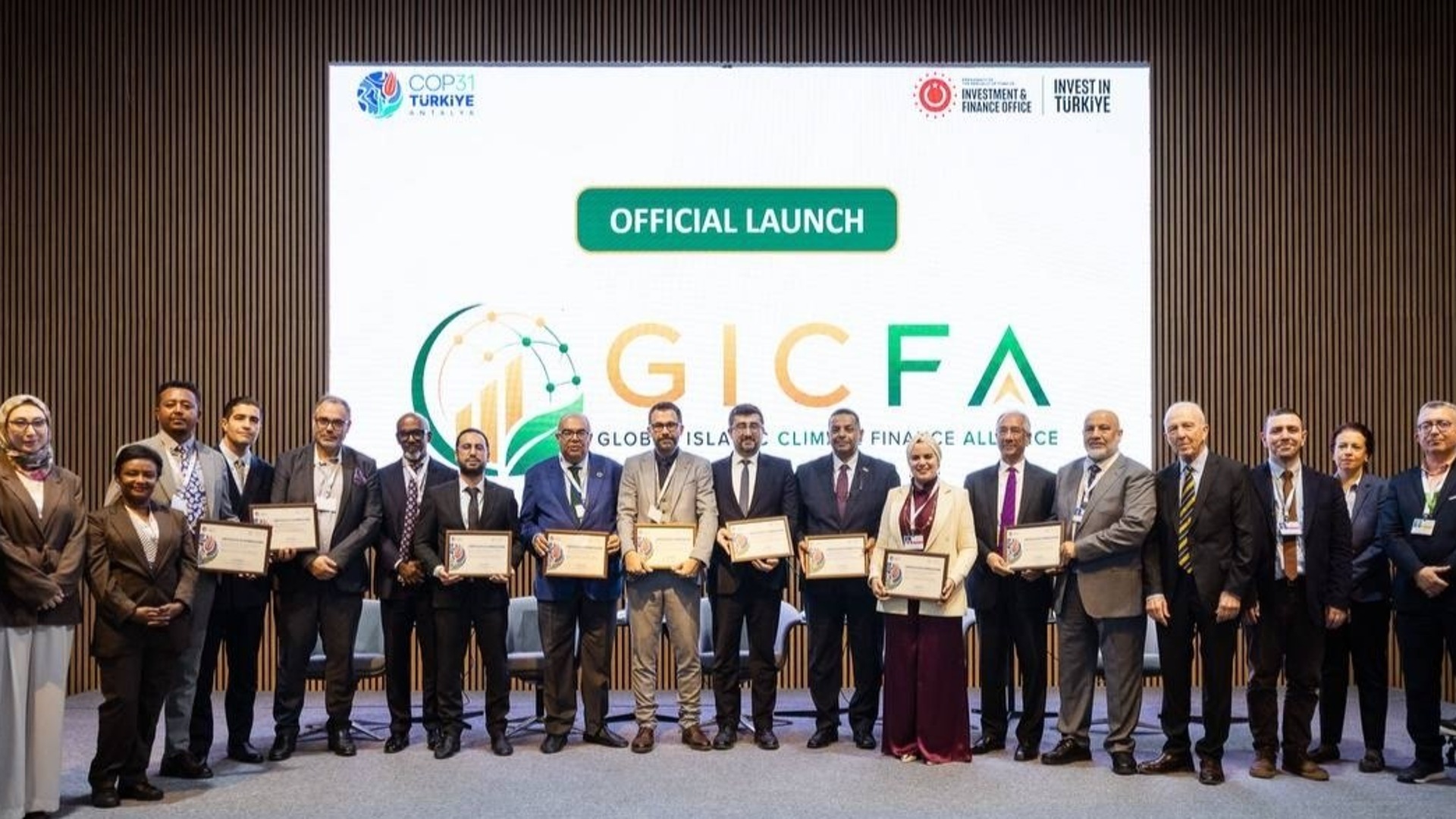
The National Bank of Ethiopia (NBE) has officially joined the Global Islamic Climate Finance Alliance (GICFA) as a founding member, marking a strategic push to diversify funding channels for green development and expand domestic financial inclusion.
The membership was announced during the official launch of the Alliance on November 14, 2026, on the sidelines of the 31st United Nations Climate Change Conference (COP31) in Antalya, Türkiye.
Chaired by UN Special Envoy Mahmoud Mohieldin and convened by Mohamed Anouar Gadhoum, the alliance aims to bridge the Islamic finance sector with mainstream climate funding by engaging institutions such as the Islamic Development Bank and the Green Climate Fund.
For Ethiopia, the move comes amid an acute climate financing deficit.
According to the United Nations Development Programme (UNDP), the country receives roughly $2.6 billion annually in climate finance—largely from external public sources—against an estimated need of $10.6 billion per year. Closing this $8 billion gap is critical, as the World Bank and UNDP warn that unmitigated droughts and floods could reduce Ethiopia’s annual GDP by up to 5 percent over the next two decades.
According to the NBE, joining GICFA will enable Ethiopia to deploy Sharia-compliant instruments, such as green Sukuk (asset-backed Islamic financial certificates), to mobilize private and social capital for renewable energy, sustainable infrastructure, and climate adaptation.
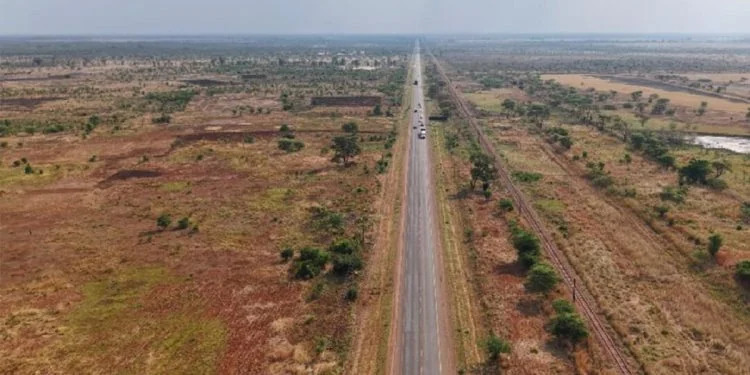
Sovereign Sukuk programs have already demonstrated strong results across Africa, notably in Nigeria, where they have successfully financed major road infrastructure. Green Sukuk adapts this model specifically for environmental and clean-energy projects, offering ethical investment options that align with Islamic financial principles.
Beyond international capital, the central bank views the initiative as a vital tool for domestic financial inclusion. Expanding interest-free banking and investment products offers a formal financial pathway for millions of unbanked Ethiopians who avoid conventional banking due to religious or cultural beliefs.
Sector analysts note that securing founding-member status gives Ethiopia an early voice in shaping global standards for Islamic climate finance.
Furthermore, according to experts, as Ethiopia prepares to host COP32, its proactive integration into international green finance networks positions the country to lead regional climate diplomacy and set a precedent for other African nations seeking innovative ways to fund sustainable growth.