
Ethiopia cuts power to Bitcoin miners by 75% as El Niño dries up hydropower
Ethiopia has slashed electricity supplied to its Bitcoin-mining industry by three-quarters as declining water inflows into its hydroelectric reservoirs put pressure on the country’s power supply.
 Black News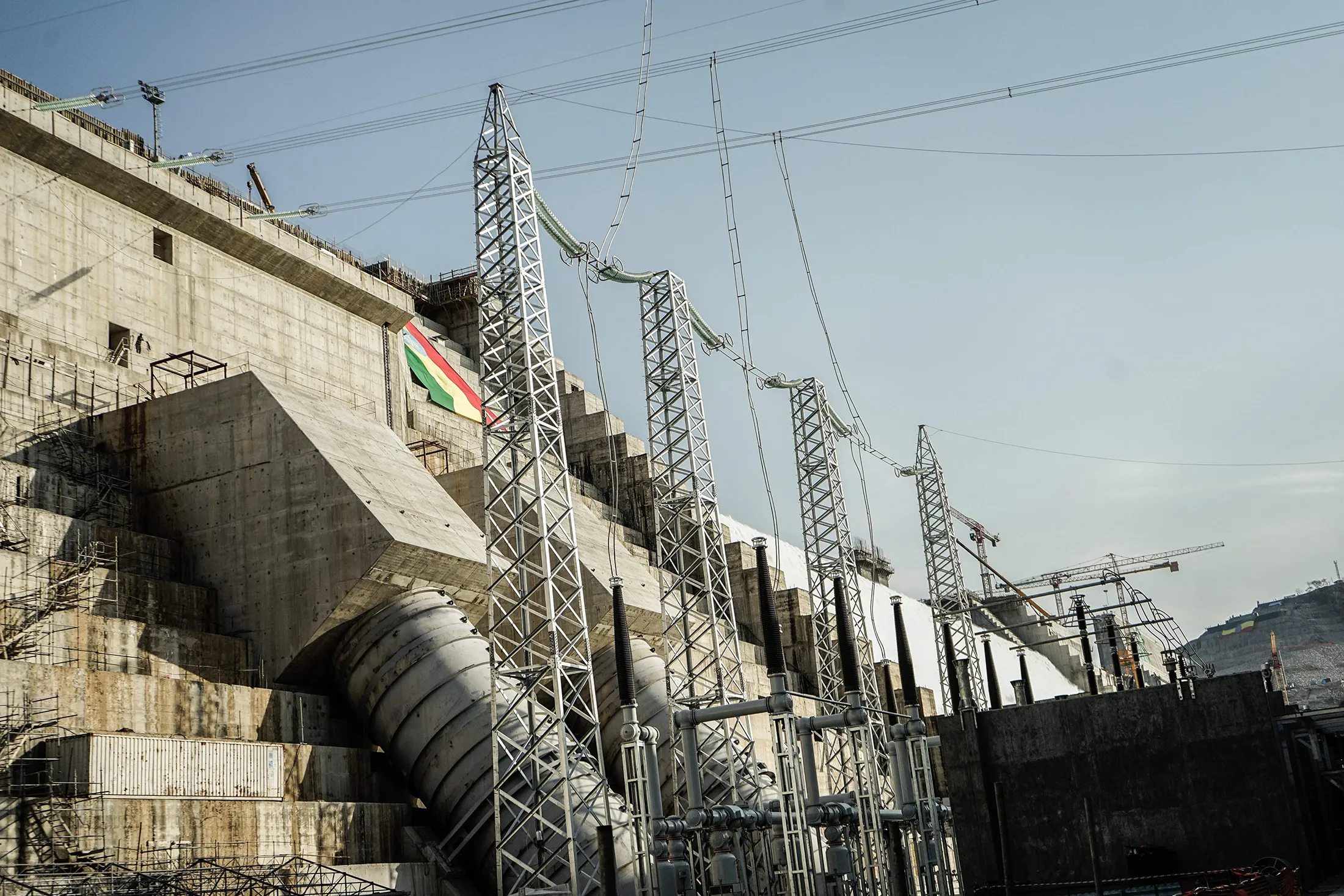

Ethiopia has slashed electricity supplied to its Bitcoin-mining industry by three-quarters as declining water inflows into its hydroelectric reservoirs put pressure on the country’s power supply.
- Ethiopia has drastically reduced electricity for Bitcoin miners by 75% due to critically low water levels in its hydroelectric reservoirs.
- Once a magnet for global miners thanks to cheap hydropower—especially from the Grand Ethiopian Renaissance Dam—Ethiopia now faces a major supply crunch that threatens its mining hub status.
- Bitcoin miners recently gobbled up about a third of Ethiopia’s total power production, raising alarm as around half the population still lacks basic electricity access.
- Mining a single Bitcoin in Ethiopia uses as much electricity as nearly 15,000 local households consume in a year—showcasing the industry's enormous energy appetite.
The Horn of Africa nation has become a major Bitcoin-mining hub, attracting Chinese and other global miners with some of the world’s cheapest electricity, per Bloomberg. Much of that power comes from hydropower, including surplus capacity associated with the Grand Ethiopian Renaissance Dam.
Bitcoin-mining companies accounted for 35% of Ethiopian Electric Power Corp’s revenue in the past financial year and consume almost a third of the country’s total electricity production of 9,730 megawatts.
The industry’s energy demand has also raised concerns over how Ethiopia allocates scarce electricity. About half of the country’s population still lacks access to electricity.
DON'T MISS THIS: US defence firm Lockheed Martin unveils new stealth drone as Africa’s 6th-strongest military eyes $18 billion F-35 package
Mining one Bitcoin in Ethiopia requires an estimated 6.4 million kilowatt-hours of electricity, equivalent to the annual consumption of about 14,950 average Ethiopian households. Yet electricity costs around 3.2 cents per kilowatt-hour, making the country particularly attractive to miners.
Dry conditions squeeze hydropower supply
The current power cuts are driven by worsening water shortages. The El Niño weather phenomenon has intensified Ethiopia’s dry season, reducing water inflows into hydroelectric reservoirs by about 20%.
Ethiopian Electric Power has responded by throttling electricity supplied to energy-intensive Bitcoin-mining facilities to preserve power for households and manufacturers, according to EEP Chief Executive Officer Ashebir Balcha.
DON'T MISS THIS: World’s strongest military deploys F-35B stealth fighter jets near China as a North African nation seeks its own F-35 to shift airpower balance
Ethiopia has power-purchase agreements with 39 Bitcoin-mining companies, 31 of which are already operational. Under those agreements, EEP had committed to supplying at least 98% of contracted power.
The utility will reassess the situation by October. Depending on water levels, it could cut supply to miners further and limit electricity exports to neighbouring countries.
For Ethiopia, the decision highlights a growing tension between the revenue generated by crypto mining and the country’s need to direct limited hydropower toward households and productive industries.