Come for the Flame, Discover Ethiopia
Addis Ababa, September 27, 2026 (FMC) — There are celebrations the world watches from afar. Then there are those that make you want to pack a bag and experience them for yourself. Meskel is one of them. Each year, Ethiopia’s September — Meskerem, the first month of the Ethiopian calendar — arrives as a season […]
 Black News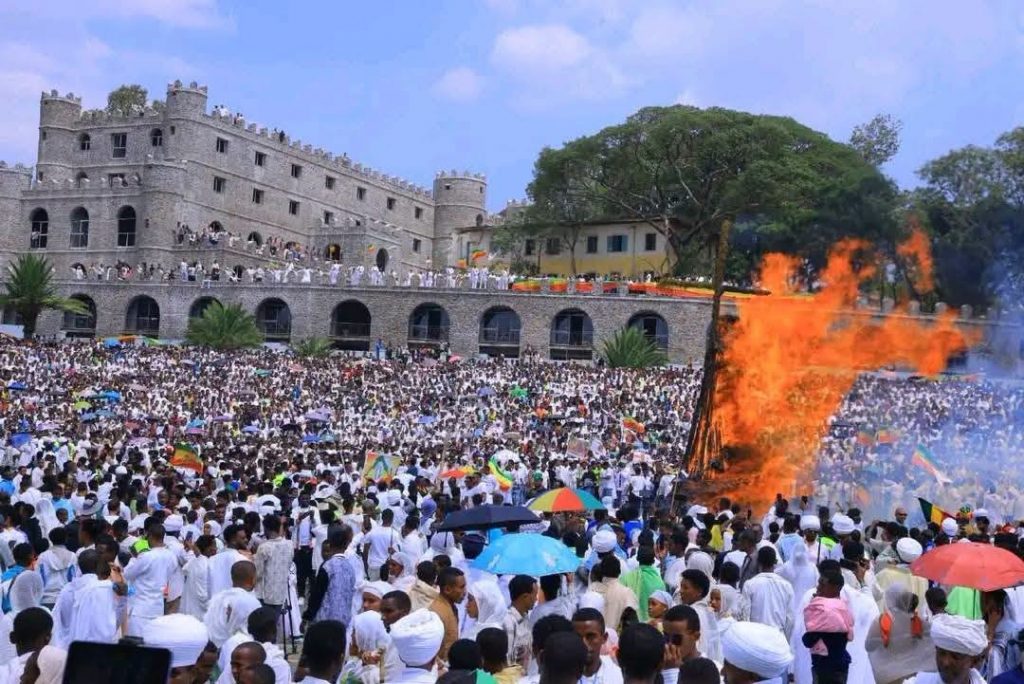
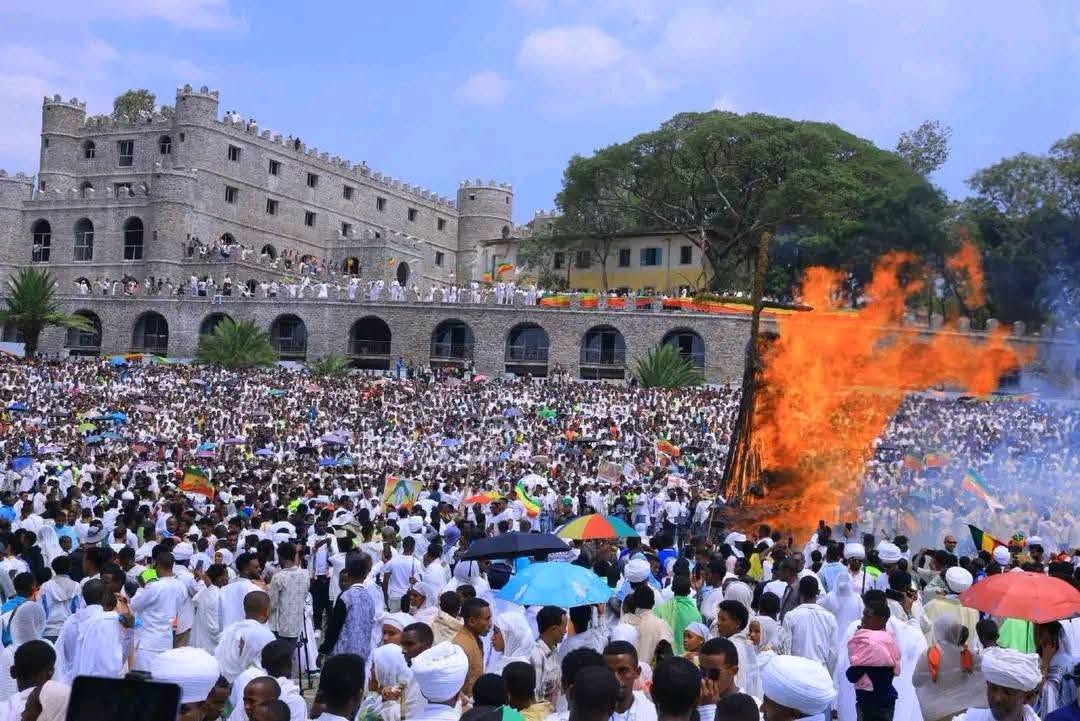
Addis Ababa, September 27, 2026 (FMC) — There are celebrations the world watches from afar. Then there are those that make you want to pack a bag and experience them for yourself.
Meskel is one of them.
Each year, Ethiopia’s September — Meskerem, the first month of the Ethiopian calendar — arrives as a season of renewal, New Year traditions, family reunions and vibrant cultural celebrations. Then comes Meskel, when the country gathers around the flame of the Demera to commemorate the finding of the True Holy Cross of Christ.
It is a moment when Ethiopia seems to open its doors to the world.
The colours, the chants, the flowers, the white garments, the gathering of generations and the glow of the Demera create an experience that is at once deeply spiritual, distinctly Ethiopian and extraordinary to witness.
UNESCO inscribed the Commemoration Feast of the Finding of the True Holy Cross of Christ on the Representative List of the Intangible Cultural Heritage of Humanity in 2013. It recognizes Meskel as a nationwide tradition that promotes social unity, integration and diversity, while noting its significance for reconciliation, social cohesion and peaceful coexistence.
But UNESCO recognition is only the beginning of the story.
To understand Meskel, one has to experience Ethiopia.
Here, heritage is not locked behind museum glass. It is sung, worn, shared and lived. The Demera rises from wood and branches; Meskel flowers colour the celebration; priests chant and communities gather. Families reunite, old disagreements are set aside, and generations meet around a tradition handed down through centuries.
And September offers a particularly revealing window into this cultural depth.
As the Ethiopian year begins, different communities mark their own traditions of renewal. In southern Ethiopia, New Year celebrations carry distinctive identities and customs, including the Wolaita Gifaataa, itself inscribed by UNESCO in 2025, and the Sidama Fichee-Chambalaalla, inscribed in 2015.
The result is a remarkable cultural season: a country turning the page on a new year while displaying, almost simultaneously, the extraordinary diversity of traditions that give Ethiopia its character.
For the visitor, Meskel can therefore be much more than a destination event.
It can be a doorway.
Come for the flame, and discover historic Gondar, where imperial heritage remains etched into the landscape. Journey to Lalibela, where faith and architecture meet in extraordinary rock-hewn sanctuaries. Explore the northern highlands, ancient routes and dramatic landscapes. Return to Addis Ababa and encounter a capital where enduring traditions share the skyline with a rapidly changing African city.
Taste Ethiopia. Hear its music. Drink its coffee. Walk its historic streets. Meet its people.
Then discover that the celebration you came to see was only one chapter of a much larger story.
That is the promise of cultural tourism at its best: not simply seeing a place, but entering its memory, meeting its people and carrying part of its story home.
For a generation accustomed to discovering the world through a screen, Meskel offers something a screen cannot fully convey — the sound of thousands gathering, the warmth of human welcome, the scent and colour of a living celebration, and the sight of an ancient tradition continuing to breathe in the present.
Ethiopia does not need to manufacture this experience.
It has been preserving it for generations.
And when the Demera flame rises into the September sky, it does more than illuminate a celebration. It illuminates a country — its faith, its heritage, its diversity, its hospitality and its extraordinary capacity to carry its past into the future.
**Come for the flame.
Discover Ethiopia.**