As India’s exotic pet trade flourishes, abandonment of animals is an ecological danger
Removing animals from native ecosystems affects the ecological functions they perform while introducing them into new territories can alter the environment.
 Black News
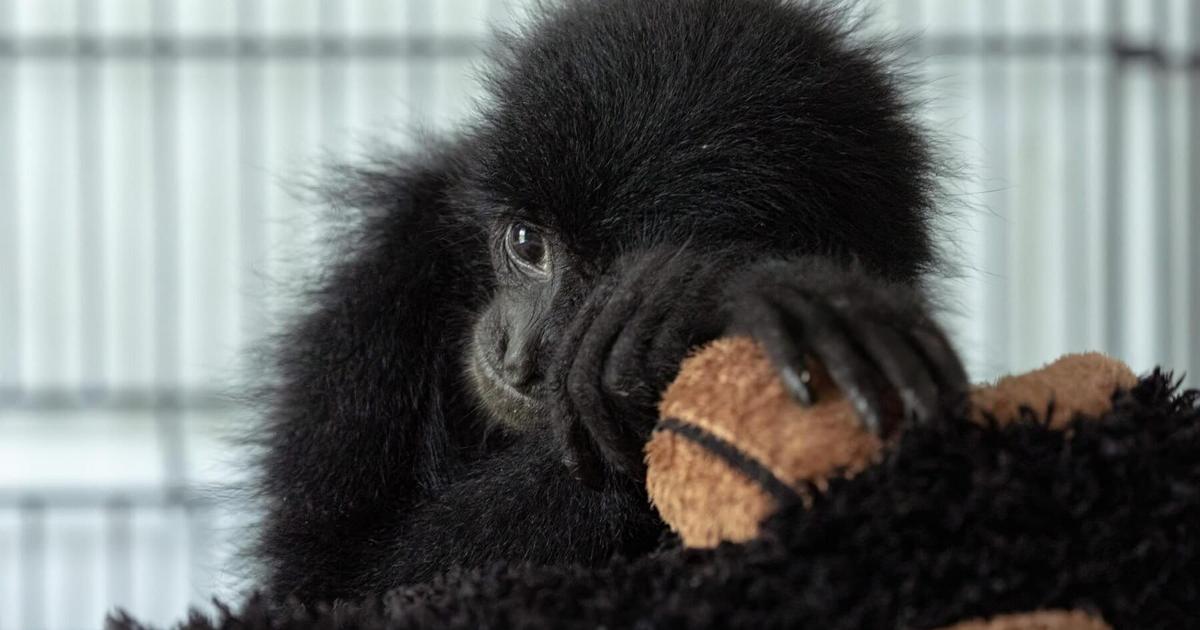

India’s exotic pet trade has grown from a niche pursuit into a significant industry. Over 40,000 people across 30 states and union territories declared their exotic pets in the government’s 2020 Voluntary Disclosure Scheme, making the scale of ownership hard to ignore, according to a Humane World for Animals report published this year. Even that, the report cautions, could represent only a fraction of actual ownership.
So, what draws people to animals that are often unfamiliar, expensive and difficult to keep?
Conservation researcher working on illegal wildlife hunting and trade Uttara Mendiratta identifies several motives: the desire to own something others do not, the appeal of animals perceived as unusual or “cool”, and the belief that some exotic species are easy to maintain.
Research into exotic pet buyers in Japan points to another dimension. A consumer study found that people were drawn to the “mental healing” (Iyashi in Japanese) they associated with animals, as well as their cuteness (Kawaii).
Social media can amplify these attractions, creating a ready marketplace where people can see what is trending, find sellers and learn how to care for unfamiliar species.
But the impulse to own an unusual animal can be very different from the reality of living with one.
“People buy a small, cute animal that...