
Anger, frustration driving Zimbabwean youths into crime and prison: Survey
YOUNG Zimbabwean men are increasingly allowing anger and frustration to dictate their actions, with many ending up behind bars for crimes committed in moments of rage or desperation, new prison statistics show. Data from the Zimbabwe National Statistics Agency (ZimStat) reveals that males in their early and late twenties account for the largest share of […] The post Anger, frustration driving Zimbabwean youths into crime and prison: Survey appeared first on NewZimbabwe.com.
 Black News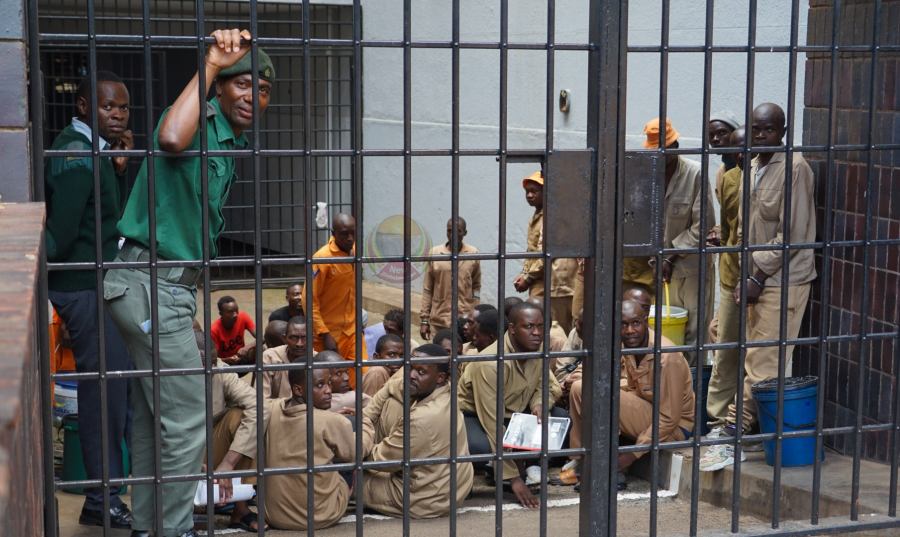
YOUNG Zimbabwean men are increasingly allowing anger and frustration to dictate their actions, with many ending up behind bars for crimes committed in moments of rage or desperation, new prison statistics show.
Data from the Zimbabwe National Statistics Agency (ZimStat) reveals that males in their early and late twenties account for the largest share of inmates in Zimbabwe Prisons and Correctional Service (ZPCS) facilities, with assault, theft, burglary, robbery and unlawful acts involving controlled drugs among the offences that have landed them in prison.
The findings paint a worrying picture of how uncontrolled emotions, particularly anger and frustration, are pushing many young people into criminal behaviour that comes with lasting consequences, including imprisonment.
Zimbabwe has 80 correctional facilities comprising 49 main prisons and 31 satellite prisons spread across the country’s 10 provinces.
According to ZimStat’s 2026 First Quarter Prison Admissions, Discharges Statistics Report, the country’s prison population stood at 24 072 inmates at the end of March.
“The total prison population at the end of the first quarter of 2026 was 24 072 (23 250 males and 822 females). The total prison population is the ZPCS unlock figures, which is the total number of prisoners who slept in prisons the night before the reporting date, which is 27 March 2026,” reads part of the report.
“Males constituted 96,6 percent of the prison population whilst women were 3,4 percent. The national imprisonment rate was 149 prisoners per 100 000 people.
“The imprisonment rate for males and females was 299 per 100 000 and 10 per 100 000 respectively.”
Although the overall prison population declined from 27 382 in December last year to 24 072 in March this year, young men continue to dominate new admissions.
The 25–29 age group recorded the highest number of new prisoners at 4 041, followed by the 20–24 age group with 3 357 admissions.
“The 25–29 age category constitutes the largest proportion of newly admitted prisoners by age group… Beyond the peak, admission numbers decline steadily with increasing age for both sexes, indicating a clear downward trend in incarceration among older populations,” said ZimStat.
Only 114 prisoners aged above 65 were recorded during the period under review.
The report also shows that the crimes most commonly committed by young offenders are often linked to impulsive or confrontational behaviour.
Assault topped the list of offences, followed by theft, burglary, unlawful acts involving controlled drugs or precursors and robbery without a firearm.
“This distribution seems to mirror that of crimes that led to the imprisonment of new male prisoners. Assaults, theft, burglary, unlawful acts involving controlled drugs or precursors and robbery (without a firearm) were the most frequent crimes for prisoners in the 20–24 age category of new male prisoners,” the agency said.
The figures underscore the heavy price many young people pay when anger, frustration or poor decision-making escalate into criminal acts, often disrupting their education, careers and family lives through imprisonment.
Earlier this year, President Emmerson Mnangagwa granted clemency to 4 305 inmates under Clemency Order No. 1 of 2026 as part of efforts to promote restorative justice and ease congestion in the country’s correctional facilities.
The clemency covered convicted female inmates convicted of non-specified offences, juveniles, elderly inmates, terminally ill prisoners, visually impaired and physically challenged inmates, prisoners in open prisons and those who had served lengthy sentences. However, offenders convicted of serious crimes such as murder, rape, armed robbery, treason, public violence and trafficking in persons were excluded.
The report also noted that 692 foreign nationals were admitted into Zimbabwe’s prisons during the first quarter of the year, with 449 coming from Southern African Development Community (SADC) countries.
Meanwhile, 9 530 newly admitted prisoners reported being employed before incarceration, while 7 861 said they had been unemployed.
The post Anger, frustration driving Zimbabwean youths into crime and prison: Survey appeared first on NewZimbabwe.com.