An African country is preparing to use its own currency again after 35 years of depending on the US dollar
Somalia is moving closer to restoring the Somali shilling after 35 years without issuing new domestic banknotes, as the East African country seeks to rebuild monetary sovereignty after decades of conflict and reliance on the US dollar.
 Black News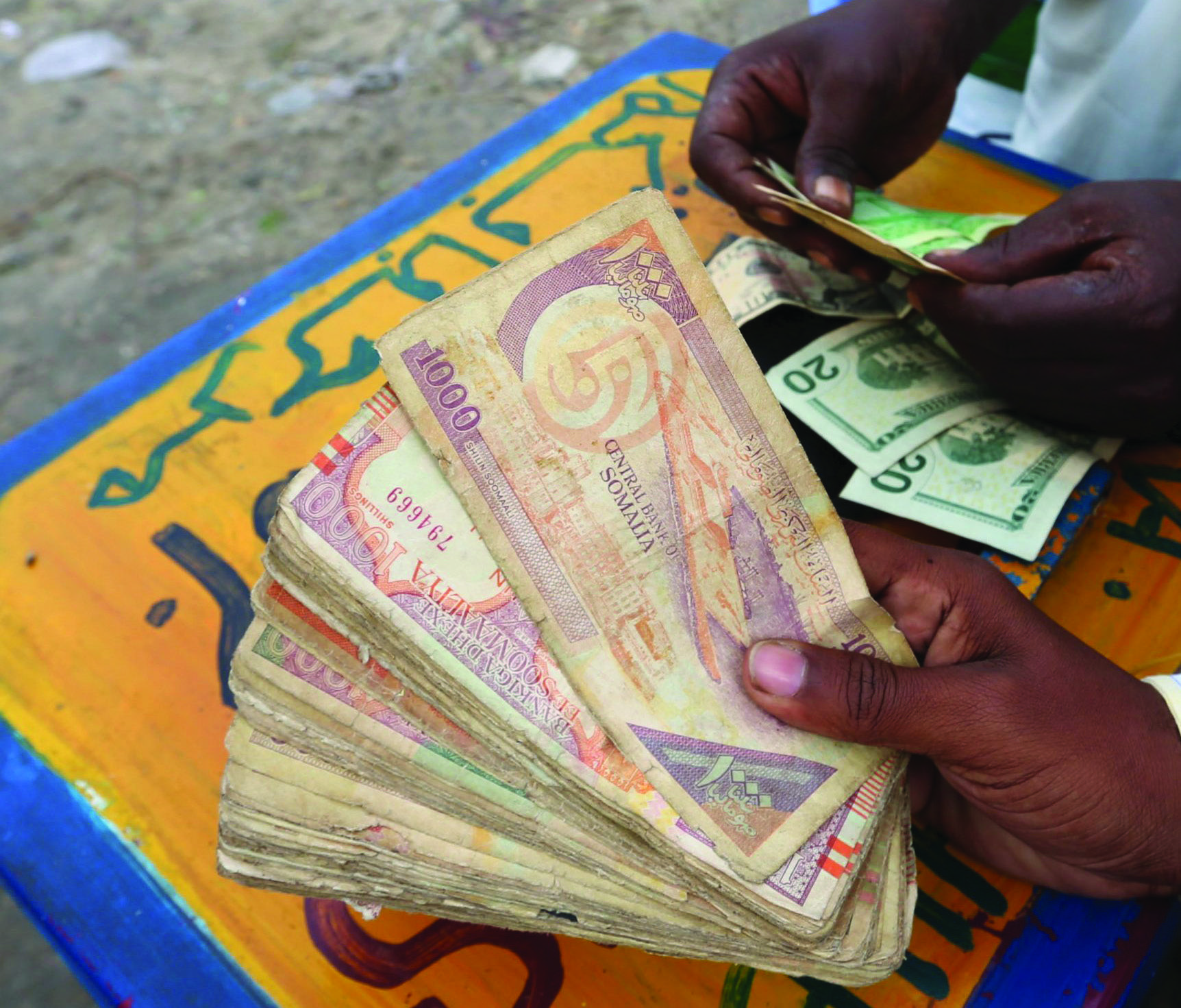


Somalia is moving closer to restoring the Somali shilling after 35 years without issuing new domestic banknotes, as the East African country seeks to rebuild monetary sovereignty after decades of conflict and reliance on the US dollar.
- Parliament is reviewing laws for a Currency Board, and the central bank is finalizing regulations for reserve management and foreign exchange.
- Somalia is preparing to reintroduce the Somali shilling after 35 years of not issuing new domestic banknotes, aiming to regain monetary sovereignty.
- The issuance of new currency comes as battered Somali shillings are increasingly rejected by businesses and as Somalia faces tighter international aid and security challenges.
- Similar to Zimbabwe's recent efforts to restore its own currency, Somalia must not only release new notes but also rebuild public confidence, all while international support, especially from the US, is being reduced.
The Central Bank of Somalia says preparations have reached an advanced stage.
Parliament is considering amendments for a proposed Currency Board Arrangement, while the bank finalises reserve-management and foreign-exchange regulations.
The reform comes as Somalia faces tighter international support and continued security pressure from al-Shabaab, adding urgency to efforts to strengthen domestic institutions.
Somalia moves to restore monetary sovereignty
Somalia’s currency crisis dates to 1991, when the collapse of Siad Barre’s government and the ensuing civil war effectively ended the central bank’s ability to issue and manage new currency.
In the years that followed, counterfeit notes spread and the US dollar gradually took over commerce, savings and electronic payments, including transactions through widely used mobile-money services such as EVC Plus.
Dollarisation was reinforced by Somalia’s large diaspora, which sends billions of dollars home through money-transfer networks such as hawala.
The presence of the UN, aid organisations, foreign forces and security firms also increased demand for dollars.
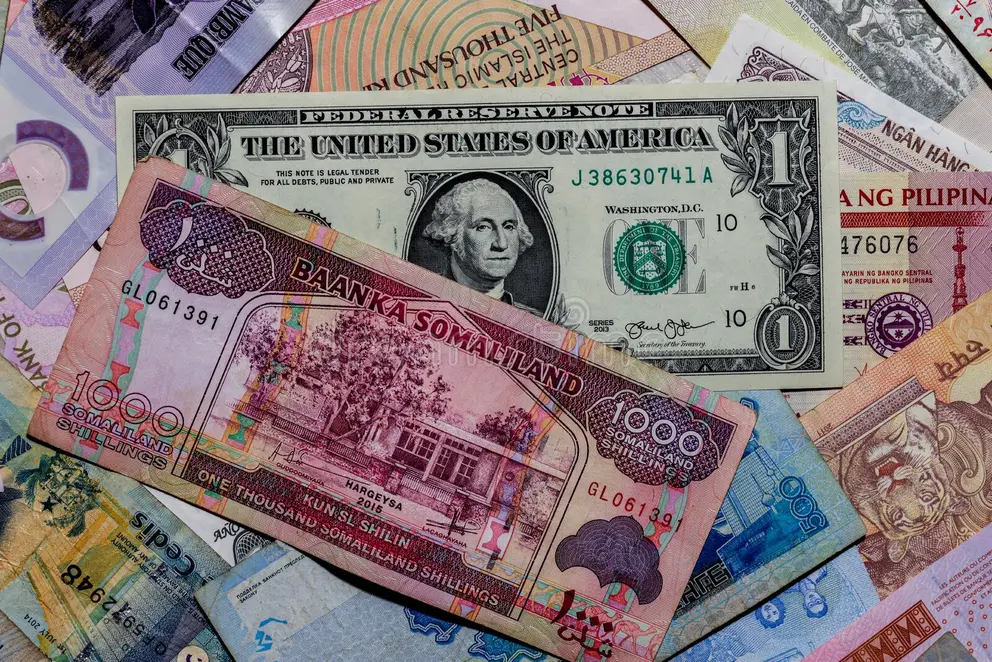
At the same time, the country’s monetary system became more fragmented. Somaliland, which declared independence in 1991 but is not internationally recognised as a sovereign state, introduced its own shilling in 1994 and continues to operate a separate currency system.
Meanwhile, decades without new banknotes have left the remaining Somali shillings badly damaged. Videos shared on social media show some Somalis binding torn and faded notes with string or rubber bands to keep them usable.
Businesses in Mogadishu and other areas have increasingly refused the battered notes since April, leaving some traders with savings they cannot easily spend or exchange.
Somalia’s Commerce Minister Jamal acknowledged the pressure in April, saying “there is a process underway to get new banknotes”.
The Central Bank has since made “issuing a viable national currency and strengthening monetary policy tools” one of its strategic priorities.
Zimbabwe offers a regional comparison
Somalia is not alone in trying to reduce dependence on the US dollar.
Zimbabwe introduced the Zimbabwe Gold, or ZiG, in April 2024 after years of currency instability, although its economy remains heavily dollarised.
The IMF estimates that about two-thirds of transactions by value in Zimbabwe’s national payment system were still conducted in US dollars in 2026, underscoring how difficult it can be to rebuild confidence in a local currency after years of dollar dependence.
For Somalia, Zimbabwe’s experience shows that introducing new notes is only part of the challenge, as businesses and households must also be convinced to use them.
Reform comes as US support tightens
The currency push is also unfolding as Somalia’s relationship with Washington faces fresh pressure.
The United States has said it will stop supporting UN logistical backing for the nearly 12,000-strong African Union Support and Stabilisation Mission in Somalia from 2027.
Officials have warned that losing support for food, fuel, medical services and troop transport could threaten the mission’s operations.
Washington has also terminated Temporary Protected Status for nearly 1,100 Somalis in the US.
The measures come amid broader tensions involving President Donald Trump and Somali communities, adding another layer of uncertainty as Mogadishu tries to strengthen domestic institutions and reduce reliance on external support.