
Why Gulf Coast Casinos Blend Gambling With Beach Tourism
Along parts of Mississippi, Louisiana and the wider Gulf region, visitors can move from a casino floor to a waterfront attraction within the same trip. The post Why Gulf Coast Casinos Blend Gambling With Beach Tourism appeared first on Deep South Magazine.
 Black News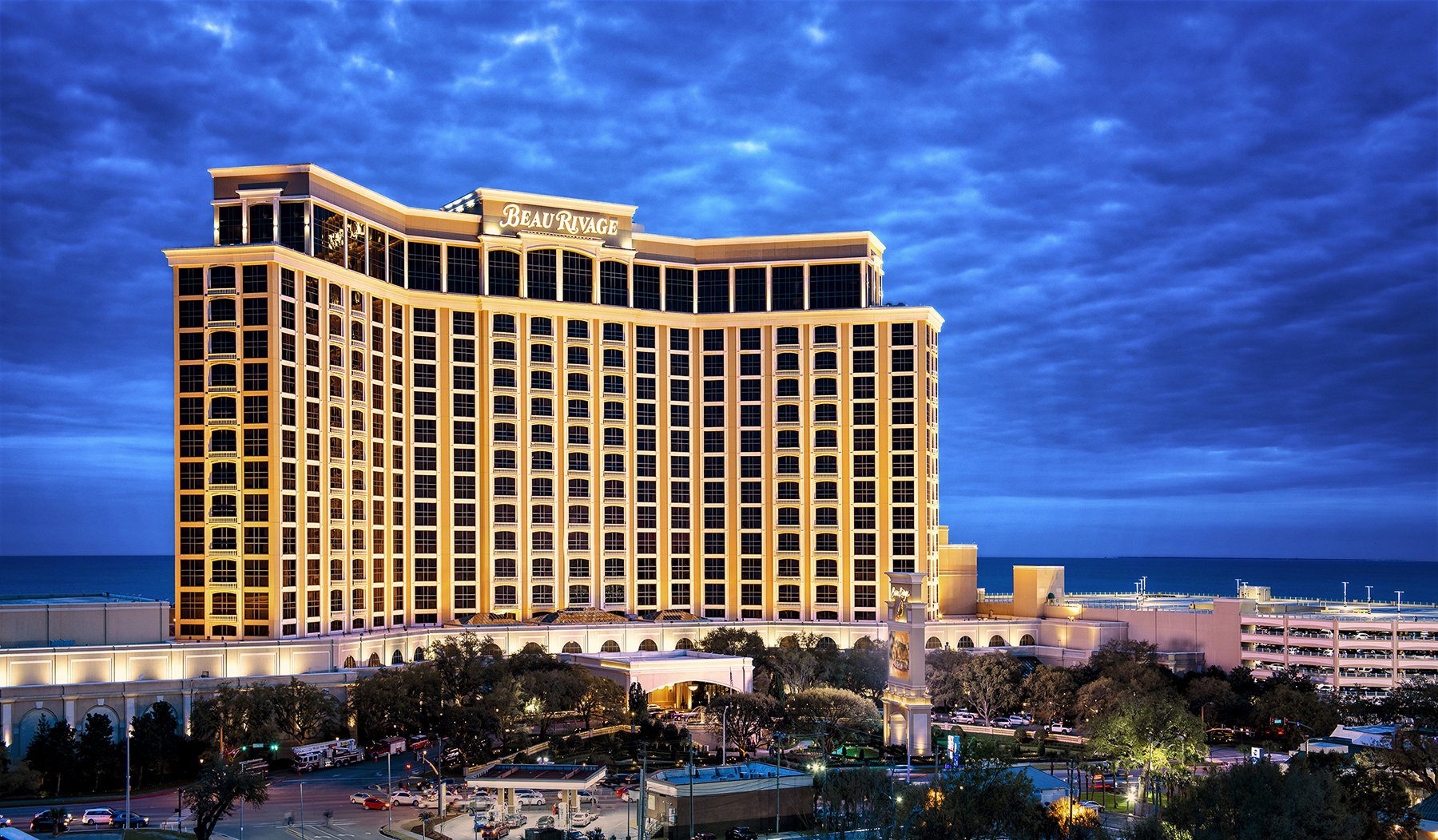
The Gulf Coast has developed a tourism identity that combines two very different experiences: casino entertainment and beach travel. Along parts of Mississippi, Louisiana and the wider Gulf region, visitors can move from a casino floor to a waterfront attraction within the same trip.
This combination did not happen by accident. Geography, tourism infrastructure, entertainment development and regional history have all contributed to the growth of Gulf Coast destinations where casinos exist alongside beaches, restaurants, hotels, concerts and other attractions.
Understanding this relationship also explains why Gulf Coast casino destinations can feel different from purpose-built gambling centers such as Las Vegas.
The Geography Makes the Combination Natural
The Gulf Coast’s greatest advantage is its location. Coastal communities already attracted visitors because of beaches, warm weather, fishing, boating, seafood and waterfront recreation. When casinos became part of the tourism economy in certain Gulf Coast communities, they could benefit from an existing visitor base. Instead of creating an entirely new destination around gambling, casino operators could become part of a broader tourism ecosystem.
A traveler might spend the morning at the beach, have lunch at a seafood restaurant, visit a casino in the afternoon and attend a concert in the evening. Gambling becomes one activity within a larger vacation rather than necessarily being the sole reason for the trip. That distinction is important when examining Gulf Coast tourism.
Mississippi Shows How the Model Developed
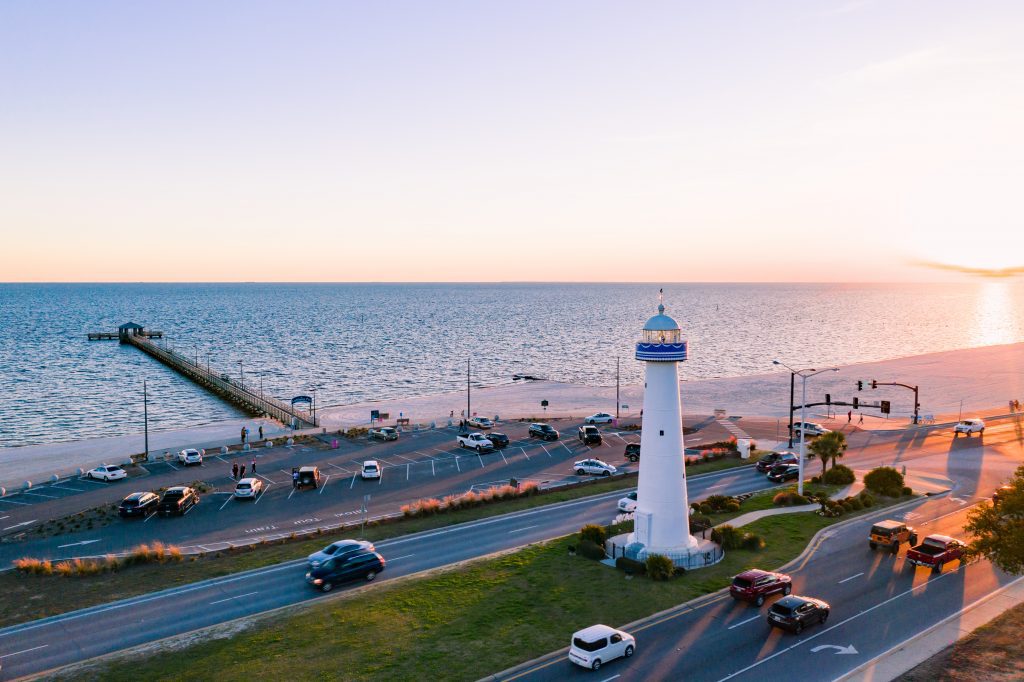
The Mississippi Gulf Coast provides one of the clearest examples of this combination. Cities such as Biloxi and Gulfport have long been associated with coastal tourism. Biloxi, in particular, developed a reputation for its beaches, seafood industry, resorts and waterfront attractions. The legalization and expansion of casino gaming in Mississippi added another major component to the regional entertainment economy.
Casinos were initially connected with river and coastal waterways because of state regulations governing where gaming could operate. Over time, the casino industry became increasingly integrated with hotels, restaurants, entertainment venues and tourism infrastructure. The result was a destination where visitors could experience several types of recreation within a relatively concentrated area.
Casinos Offer an Alternative When Beach Activities Slow Down
Beach tourism is highly dependent on weather, daylight and seasonal conditions. A cloudy afternoon can change beach plans. Strong winds can make certain water activities uncomfortable, while nighttime naturally brings an end to many outdoor attractions. Casinos provide a different type of entertainment that is not dependent on weather.
This gives destination operators another way to keep visitors engaged throughout the day and evening. The same principle applies to other indoor attractions. Restaurants, shopping areas, theaters, arcades and live entertainment can fill gaps between outdoor activities. In this environment, a casino is not necessarily competing with the beach. Instead, both can contribute to a broader itinerary.
The Resort Model Connects Different Experiences
Modern casino destinations often operate as resorts rather than standalone gaming facilities. A resort may contain hotel rooms, restaurants, bars, entertainment venues, conference facilities, pools and other amenities. The casino is one component within that larger property. This model fits naturally with Gulf Coast tourism because visitors are already accustomed to spending several days at a destination.
Someone traveling for a beach vacation may value convenient accommodation, dining, entertainment and nightlife. A casino can become an additional attraction without requiring the traveler to leave the area.
The approach is also visible in digital entertainment. For example, someone interested in simple gaming experiences such as GameZone Color Game may encounter a different type of entertainment environment online, where accessibility and convenience replace the physical resort setting.
Food Strengthens the Connection

Food is another major link between Gulf Coast tourism and casino resorts. The region is known for seafood and distinctive Southern and Gulf Coast culinary traditions. Restaurants therefore become an important part of the visitor experience. A traveler does not necessarily need to choose between enjoying local food and visiting a casino. Both can form parts of the same itinerary.
Casino resorts also use restaurants to appeal to visitors who may not be interested in gambling. This creates a broader customer base. A family member may visit a restaurant while another person explores entertainment options elsewhere. A group can therefore visit the same resort while pursuing different activities. This diversification helps explain why modern casino properties frequently emphasize dining alongside gaming.
Live Entertainment Expands the Tourism Appeal
Music and live performances are particularly relevant to Gulf Coast destinations. The American South has a strong musical heritage, and Gulf Coast communities have their own connections to blues, country, rock, jazz and other musical traditions. Casino resorts can build on this culture by hosting concerts and performances.
Live entertainment also extends the useful hours of a destination. Visitors who spend the afternoon outdoors can transition into an evening concert, restaurant visit or casino experience. The combination creates a continuous tourism schedule rather than a trip centered on one activity.
Casinos Can Complement, Rather Than Replace, Beach Tourism
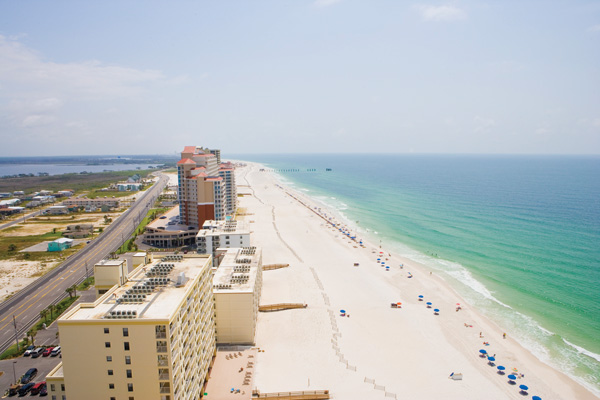
It is easy to assume that casinos compete directly with traditional coastal attractions. In practice, they can complement one another. Beach tourism provides outdoor recreation, scenery and relaxation. Casinos provide indoor entertainment and nightlife. Restaurants serve both audiences, while hotels and transportation infrastructure support the overall visitor economy.
The combination gives travelers more flexibility. Someone can spend most of the day away from the casino and visit later. Another visitor might prioritize entertainment while still enjoying the coastline. This variety is one reason integrated tourism destinations can appeal to different types of travelers.
Why Gulf Coast Casinos Differ From Las Vegas
Las Vegas was developed around an urban desert resort model in which casino resorts became the defining attraction. The Gulf Coast operates in a different environment. Its tourism identity is connected to beaches, coastal communities, seafood, fishing, outdoor recreation and regional culture. Casinos therefore exist within a pre-existing destination rather than defining the entire destination.
That difference influences how visitors experience them. The casino can be part of a beach vacation instead of being the entire purpose of the trip.
A Broader Tourism Strategy
The Gulf Coast’s combination of casinos and beaches demonstrates how destinations can diversify their tourism economies. Instead of depending on a single attraction, coastal communities can offer multiple experiences that appeal to different visitors and operate at different times of day.
Beaches provide natural attractions. Restaurants provide food experiences. Hotels accommodate travelers. Entertainment venues create nighttime activity. Casinos add another form of indoor entertainment.
Gulf Coast casinos blend naturally with beach tourism because both fit into a broader destination-based travel model. The coastline attracts visitors with beaches and outdoor recreation, while casinos provide indoor entertainment that can continue regardless of weather or time of day. Hotels, restaurants, concerts and other attractions connect the two experiences even further.
Rather than functioning as isolated gambling venues, many Gulf Coast casino destinations have become components of a larger tourism ecosystem. That combination of coastline, hospitality, entertainment and gaming gives the region a distinct identity within the American casino landscape.
Featured image courtesy of Beau Rivage public relations.
The post Why Gulf Coast Casinos Blend Gambling With Beach Tourism appeared first on Deep South Magazine.