Why a surrendered Maoist leader is not welcome in his village
As the conflict between the police and insurgents ends in Bastar, old wounds have reopened in the villages.
 Black News
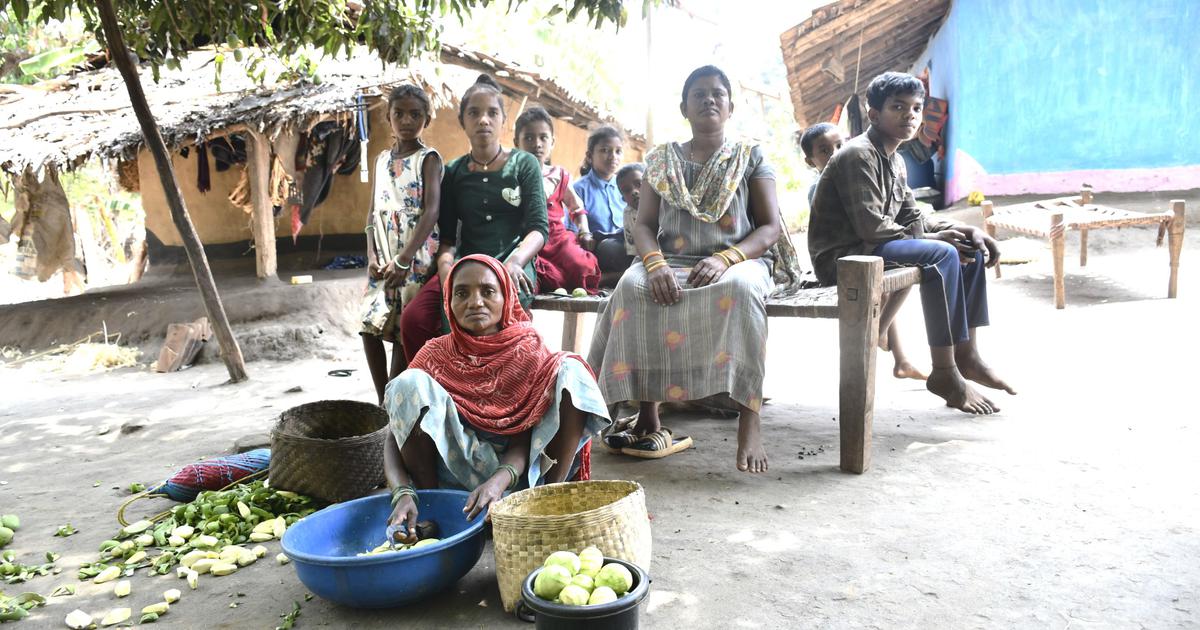

In April, two surrendered Maoist leaders, Dinesh Modiam and Papa Rao, visited Pedda Korma village in Chhattisgarh’s Bijapur district. They were accompanied by police and revenue department officials as part of a government programme called Niyad Nellanar.
Niyad Nellanar literally means “your good village” in Gondi. Chhattisgarh government launched the programme in 2024 with the aim to provide basic facilities and welfare benefits to villages in Bastar region which lie within a 5-km radius of newly built security camps.
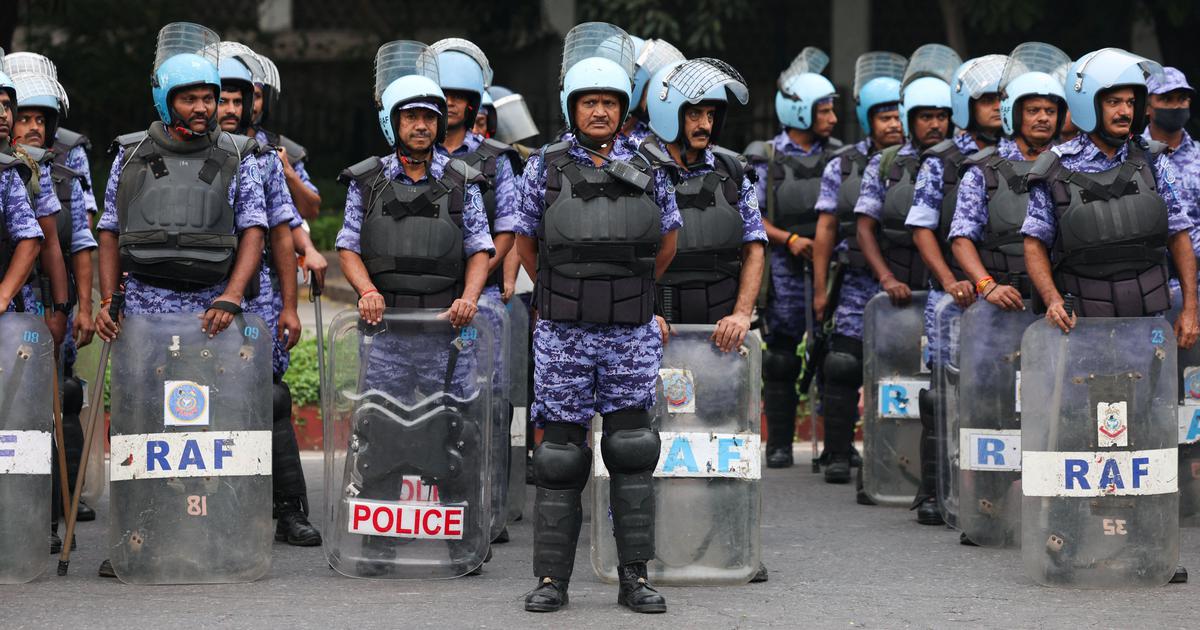
Until recently, Bastar was the stronghold of the banned Communist Party of India (Maoist), which waged an insurgency in the forests of central and eastern India for over four decades. In March this year, the government declared victory over the Maoists after most insurgent leaders either surrendered or were killed in a two-year-long security offensive.
Dinesh Modiam, a native of Pedda Korma village, used to be the secretary of the CPI (Maoist)’s Gangaloor area committee before he surrendered to the police in March 2025. Area committees are part of Maoist divisional committees, which are further subsumed within zonal committees.
Papa Rao, a senior Maoist leader, was a member of the Dandakaranya special zonal committee – its jurisdiction stretched across Bastar region and several adjoining areas in neighbouring states. Listed with...