Uganda Cranes goalkeeping conundrum and the likely crisis that lies ahead
Uganda, over the years, has had great goalkeepers, and this is an area that has not had the nation bothering over who will stand between the posts. From Joseph Masajjage, Paul Ssali, Sadiq Wassa, Edward Nassamba, Hussein Ssali, Sam Kawalya to Denis Onyango, the list of elite goalkeepers that have featured for the Uganda Cranes […] The post Uganda Cranes goalkeeping conundrum and the likely crisis that lies ahead appeared first on Kawowo Sports.
 Black News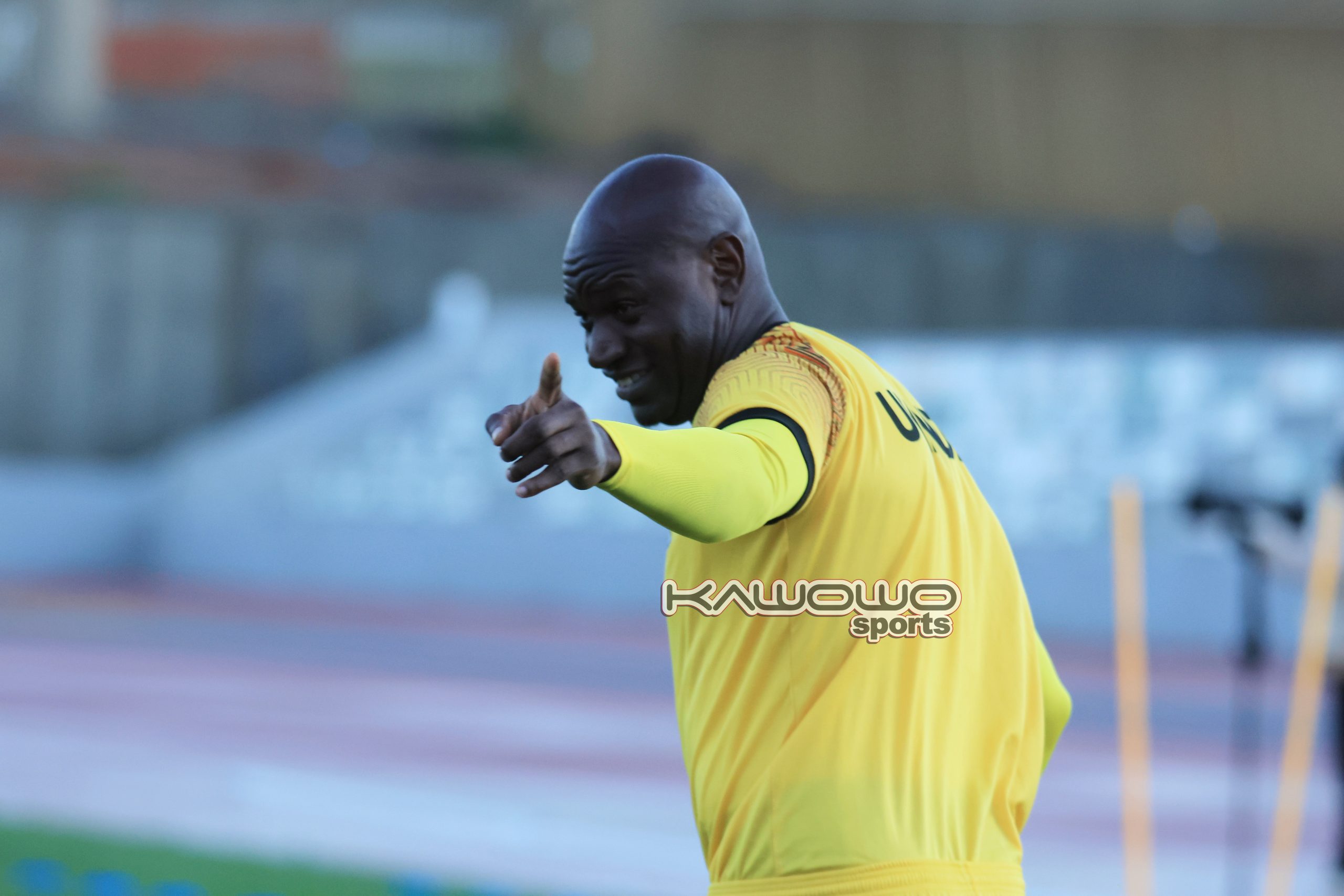

Uganda, over the years, has had great goalkeepers, and this is an area that has not had the nation bothering over who will stand between the posts. From Joseph Masajjage, Paul Ssali, Sadiq Wassa, Edward Nassamba, Hussein Ssali, Sam Kawalya to Denis Onyango, the list of elite goalkeepers that have featured for the Uganda Cranes seems endless.
The goalkeeping situation has, however, become a fascinating generational puzzle in recent times, especially when Onyango, arguably Uganda’s greatest footballer, retired in April 2021; the void was too big for his successors to fill, and he had to come out of retirement four years later to feature at the 2025 Africa Cup of Nations.
While Uganda possesses a historically stable number one across different periods, the lack of elite-level domestic depth for goalkeepers and the inability of those who were Onyango’s understudies to embrace the challenge have created a distinct conundrum.
Are we being harsh on Onyango’s successors?
Onyango’s longevity and ability to excel at the highest level have seen him retire with an equally talented lot of goalkeepers who could not get the opportunity for over two decades. Posnet Omony, Robert Odongkara, Abel Dhaira (RIP), Hamza Muwonge, Yasin Mugabi, Benjamin Ochan, Charles Lukwago, Salim Jamal, Ismael Watenga, and Nafian Alionzi have all grown under Onyango’s wings; the majority have retired, while those that are still active have not made a good case for themselves.
Between April 2021 and 2025 when Onyango came out of international retirement, Lukwago, Jamal and Watenga have all had opportunities to cement their stay as Uganda’s number one, but for several reasons, none has gone on to do so.
Lukwago is 33, Watenga and Jamal are 31, while Alionzi and Joel Mutakubwa are 30 and 32 respectively. For a goalkeeper, this is the perfect age to perform, and we have seen across the world that elite goalkeepers tend to hit their peak in their mid-thirties.
Why goalkeepers peak later
Experience and Positioning: Shot-stopping is only part of the job. Reading the game, organizing the defensive line, and anticipating opponent movements improve significantly with years of experience.
Mental Resilience: Decision-making under high-pressure situations stabilises in a player’s late twenties and early thirties.
Longevity: Because the position requires less constant running than midfield or forward roles, elite goalkeepers can maintain high-level performances well into their mid-to-late thirties.
With the aforementioned reasons taken into consideration, could it be a basis to cut the Watengas and company some slack? Does the return of Onyango, who is now 41, mean failure for the rest?
Open chance
The goalkeeping department seems like an open chance to whoever will come and put up consistent performance. However much we continue to push Onyango as a country, the maximum he can offer is being available next year for AFCON 2027; beyond that, the crisis that lies ahead is evident, and no realistic heir to the ‘throne’ is available.
The post Uganda Cranes goalkeeping conundrum and the likely crisis that lies ahead appeared first on Kawowo Sports.