This Black Woman Built A Business Around Giving Caregivers What They Need Most: Peace Of Mind
Black entrepreneur helps families navigate elder care, emphasizing planning, caregiver support, and preserving dignity for aging loved ones.
 Black News

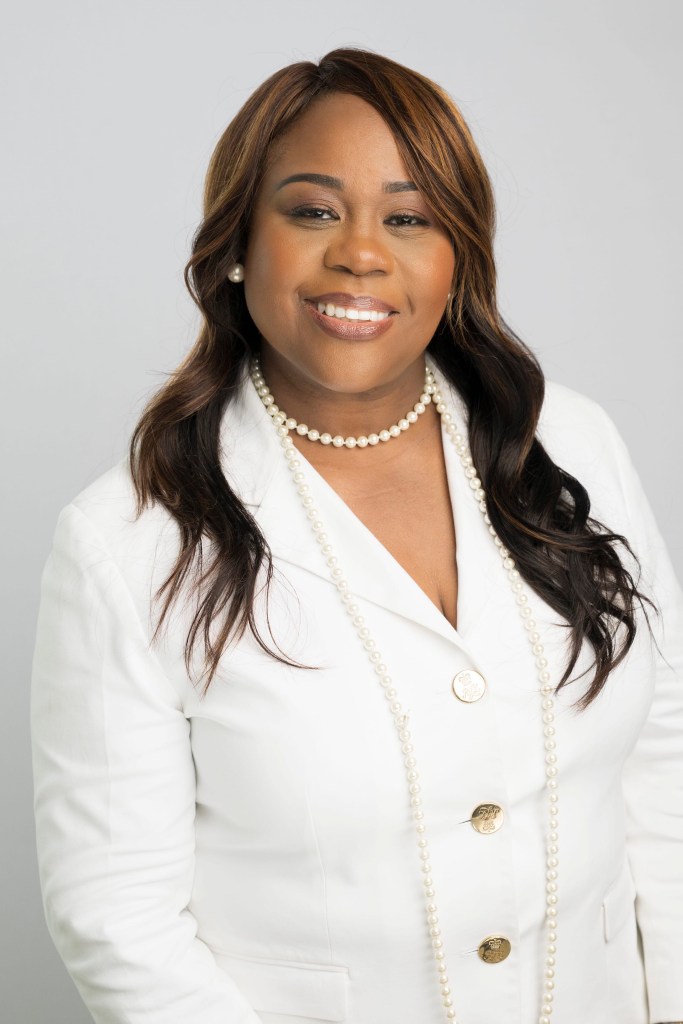
If we’re lucky, we will get the beautiful chance to see our parents and grandparents grow old. And when that happens, hopefully we will have a plan that allows them to age peacefully and allows us to stay sane in the process. That’s where Complete Elder Solutions comes in.
Founded by Black woman entrepreneur Princella Seymour, Complete Elder Solutions helps families navigate the often-overwhelming realities that come with caring for aging loved ones. From long-term care planning and accessing benefits to finding trusted caregivers and making decisions about assisted living, Seymour and her team help families figure out what to do next.
Or, as Seymour simply puts it, “I sell peace of mind every day, all day.”
And that peace of mind is becoming increasingly necessary. More than 61 million Americans are currently 65 or older, and that number is expected to surpass 80 million in the coming decades. According to the U.S. Department of Health and Human Services, nearly 70% of people turning 65 will need some form of long-term care during their lifetime.
Yet many of us aren’t talking about what happens when our loved ones can no longer fully care for themselves until we’re forced to.
A Calling That Started Early
Seymour has spent more than three decades working with older adults, but her connection to seniors began long before Complete Elder Solutions existed.
Growing up, she naturally gravitated toward older people in her community. She would check on neighbors, run errands and spend time with them without anyone having to ask.
“I was always one hanging around the older people growing up,” she recalled. Seymour was what our culture calls children who possess a mature aura, an “old soul.”
After high school, Seymour became a certified nursing assistant and began working directly with seniors. She eventually became a social worker and director of social services, and it was her work inside nursing facilities that exposed a glaring gap in the elder-care system.
Seymour watched residents prepare to leave facilities without family nearby, adequate support or, in some cases, anyone at all to help them navigate what came next.
“My residents would get discharged,” Seymour explained. “Their families would either be not connected, far away, or they would not have any children at all. They didn’t have an accountability partner. They didn’t have a support system outside.”
So, she became one.
One need led to another, and Complete Elder Solutions eventually grew into a resource families could turn to for guidance through the many moving parts of aging.
Black Families Need To Have The Conversation
For Black families in particular, Seymour believes planning is urgent.
Too often, conversations about retirement, long-term care, advanced directives and how our parents actually want to live as they age simply aren’t happening. Then a diagnosis, fall, stroke or other unexpected event happens, and suddenly a family is trying to make major financial and health-related decisions while already under tremendous emotional stress.
Seymour recommends families begin having serious conversations around age 65, when many adults are starting to think about retirement, and revisit those plans whenever there is a new diagnosis, fall, or noticeable change.
She also encourages adult children to pay closer attention when visiting aging parents. Is the house suddenly less clean? Are phone calls becoming less frequent? Are there changes in hygiene, mobility, or behavior?
Most importantly, she believes those conversations should happen while parents still feel independent and empowered to make decisions about their own futures.
“The time to have the conversations are now,” Seymour said. “You want to talk about them during happy moments…and when they feel that they’re in control. Not when they feel like they’re losing control.”
Caregivers Need Care, Too
There’s another person Seymour doesn’t want families to forget in all of this: the caregiver. The Florida native stresses that planning for aging isn’t only about preserving the quality of life of the person getting older. It’s also about preserving the quality of life of the people who love and care for them.
Historically, caregiving responsibilities have often landed on women, and Seymour says she continues to see women attempting to manage the needs of aging loved ones while also juggling careers, children, relationships and their own responsibilities.
“I’m starting to see a lot of sickness and disease come from it because…they’re getting caregiver burnout,” she said.
Seymour believes that caring for an aging loved one should never require completely abandoning yourself in the process. She encourages caregivers to intentionally make room for rest, joy and the parts of their lives that exist outside of caregiving—a message that feels particularly important for Black women, who are often expected to carry everyone else while quietly managing their own exhaustion.
Her advice? Build a village.
That village could include relatives and friends willing to step in for a few hours, or, when financially possible, a trusted and vetted professional caregiver. The goal is to create enough support so one person doesn’t have to carry the entire load.
And she’s adamant that caregivers continue doing the things that pour back into them.
“Do not give up your vacations. Do not give up your me days,” Seymour said. “Put your village in place.”
It may sound like self-care advice, but in Seymour’s world, it’s a crucial part of responsible caregiving. Because when the caregiver is depleted, overwhelmed and burned out, everyone ultimately feels the effects.
Building A Business That Offers Peace Of Mind
Seymour’s own journey as a Black woman entrepreneur has required her to navigate another set of challenges.
She often finds herself in professional spaces where few people look like her, an experience that has reinforced the importance of education, mentorship, financial literacy, organization and being comfortable admitting when she doesn’t know something.
“Be okay with not knowing,” she said.
She has also learned that, as a Black woman, she often feels pressure to arrive more prepared and polished simply to command the same level of respect afforded to others.
But after decades in business, Seymour’s work has taught her something beyond entrepreneurship and elder care: it has taught her the value of family.
After spending years helping other people care for their loved ones, Seymour became a mother herself at 44. Motherhood prompted her to reassess how she spent her own time, even cutting back on some of her work hours so she could be more present with her daughter.
“I only get this one opportunity,” she said.
And maybe that realization is also at the heart of Complete Elder Solutions.
Growing older is a privilege. Watching the people who raised us grow older is one, too. But loving them through that transition doesn’t mean families have to navigate it overwhelmed, unprepared, and alone.
Through Complete Elder Solutions, Seymour is working to ensure more families (especially Black families) understand that help exists, planning matters, and caregivers deserve care, too.
Because taking care of the people who once took care of us shouldn’t require losing ourselves in the process.