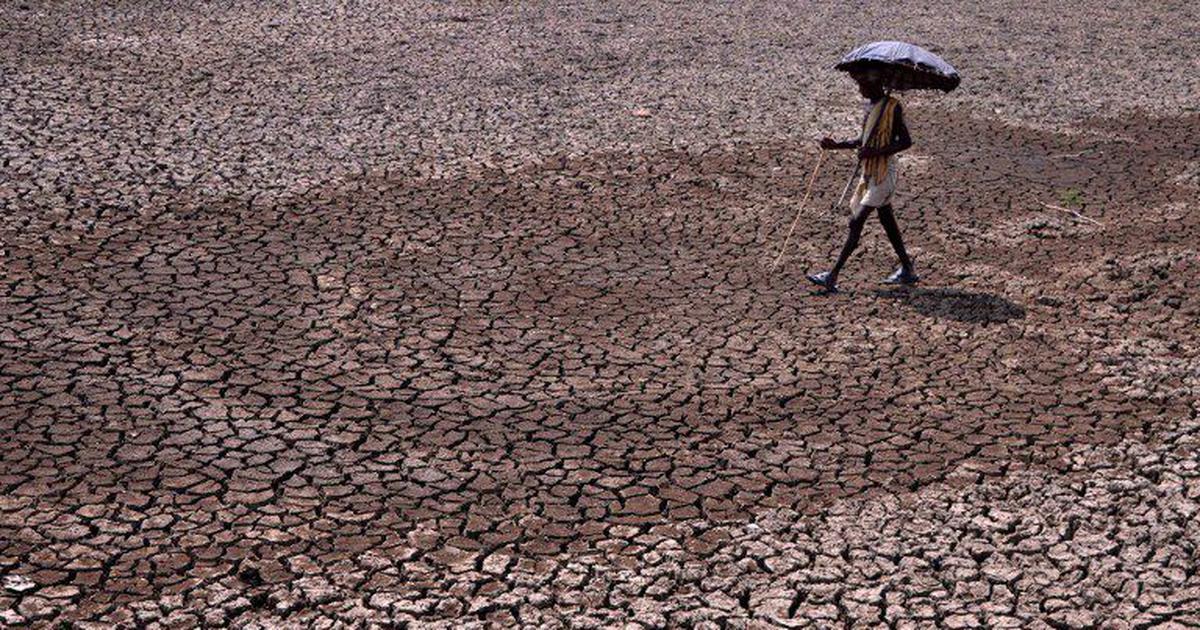
The Odyssey’s sea monsters are terrifying expressions of ‘ecohorror’
Ecohorror expresses itself here with the enmeshment of a monster with the environment itself by making a monster out of the environment itself.
 Black News

The ancient Greeks are generally thought of as a people at home on the sea. Yet their familiarity with the ocean didn’t stop them from fearing it. Danger and uncertainty always loomed over ancient voyages, and this is reflected in writing from the time.
One of the most famous works of ancient Greek literature is, after all, a poem about a man lost at sea for a decade. Homer’s Odyssey is famed for its many monsters, some of which can be read as what scholars have dubbed “ecohorror” – expressions of human fears of the natural world.
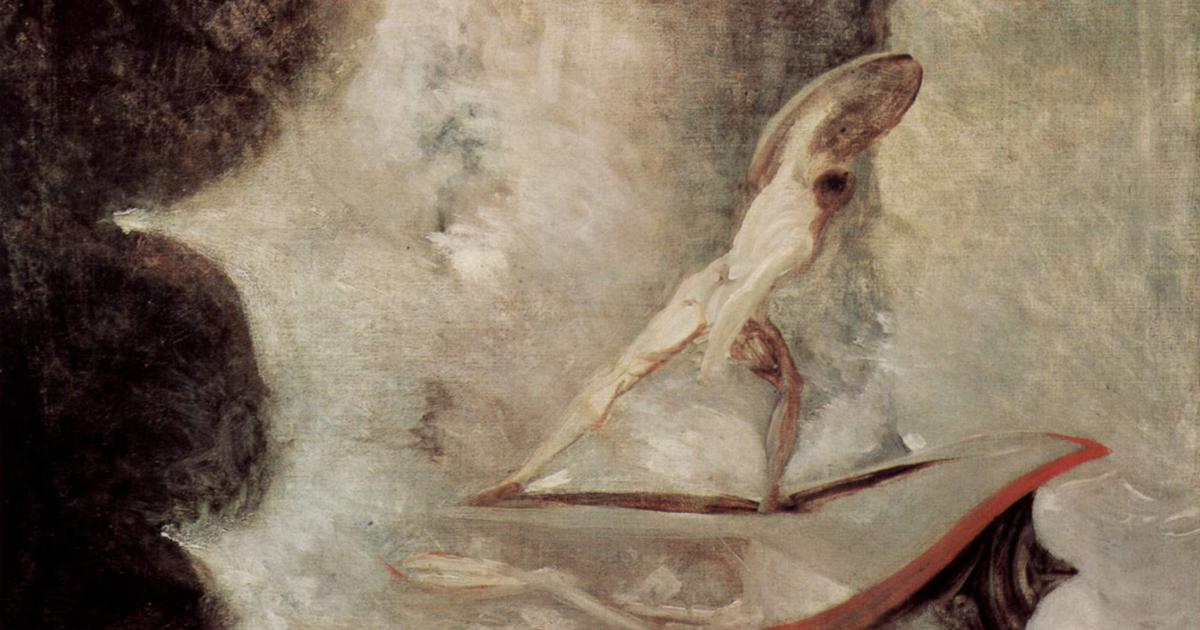
Monsters themselves are often more than mere misapprehensions of real animals or natural forces. They can be creative “what ifs” – imaginative extrapolations of background cultural fears. The first of the Odyssey’s two main sea monsters, Charybdis, is what initially seems to be a creature causing a gigantic whirlpool, yet the Odyssey hints at another particularly unsettling quality. As Odysseus describes the encounter:
“We sailed out into the strait, lamenting, for Scylla was on this side, and on the other was Charybdis; dreadfully she sucked down the briny sea water. Whenever she vomited forth again, like a cauldron in a large fire, all boiled over and stirred up, foam fell from above onto the peaks...