Inside Zaha Hadid Architects’ $12.5 billion plan to build Africa’s largest airport and its Great Rift Valley-inspired terminal garden
A slice of Ethiopia’s Great Rift Valley, complete with volcanic rocks, native trees, streams and grass, will run through Africa’s planned largest airport, while a high-speed railway carries travellers in and out of Addis Ababa through a terminal that evokes the futuristic spacecraft in Morten Tyldum’s Passengers.
 Black News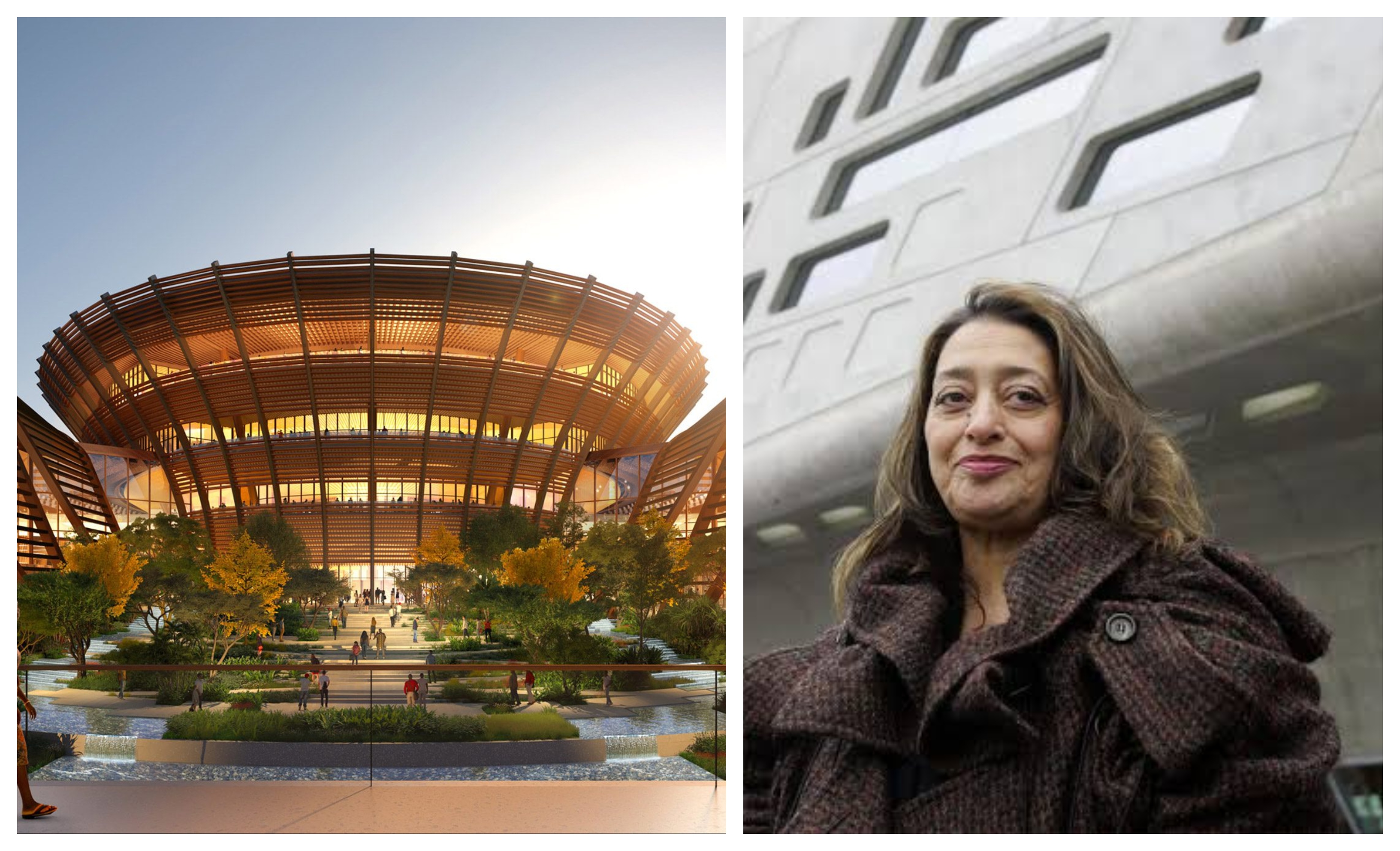

A slice of Ethiopia’s Great Rift Valley, complete with volcanic rocks, native trees, streams and grass, will run through Africa’s planned largest airport, while a high-speed railway carries travellers in and out of Addis Ababa through a terminal that evokes the futuristic spacecraft in Morten Tyldum’s Passengers.
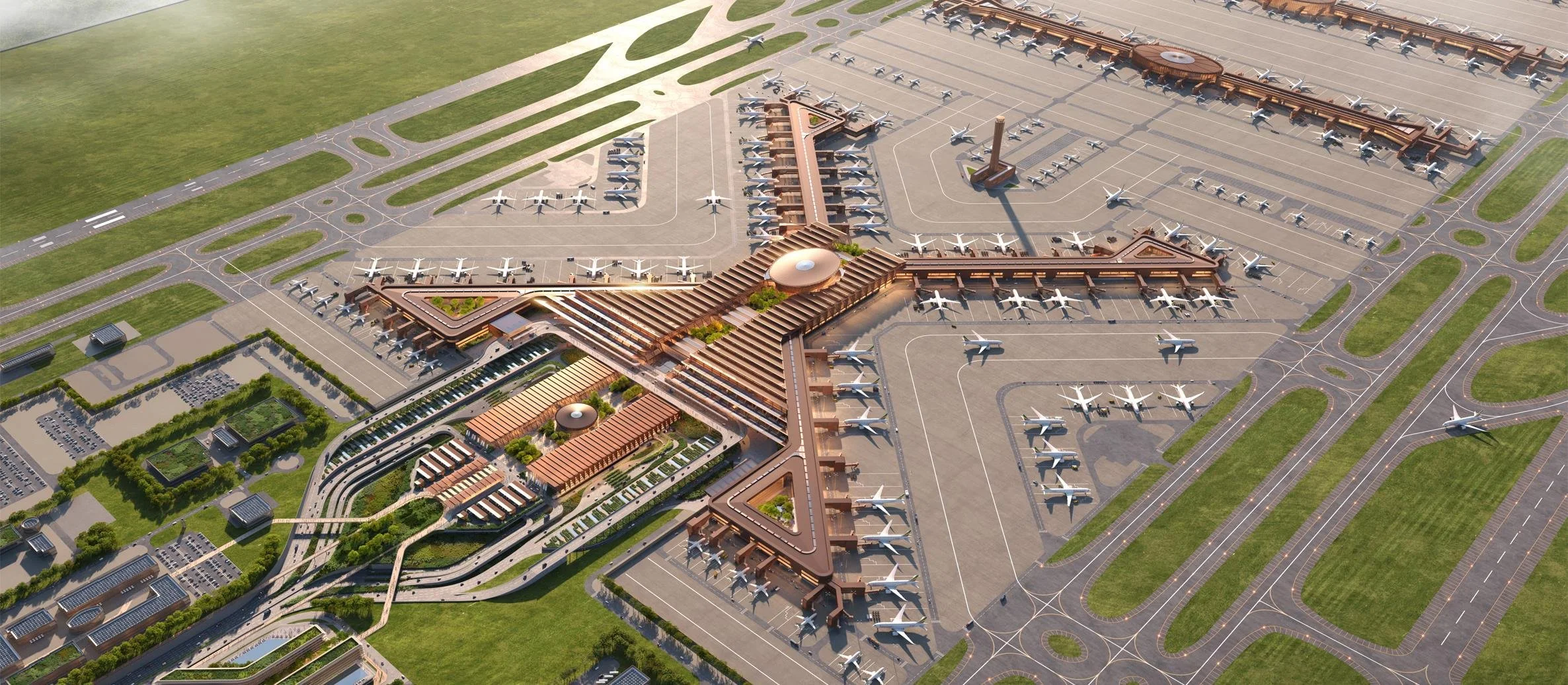
- Ethiopia is investing $12.5 billion in Bishoftu International Airport, which will initially handle 60 million passengers a year and later expand beyond 100 million.
- The first phase, due in 2032, will include 660,000 square metres of terminal space, four runways and parking for 270 aircraft.
- DAR leads the project, while Zaha Hadid Architects is designing a terminal with a 60-metre atrium, Great Rift Valley gardens and passive cooling systems.
- The airport will ease pressure on Bole Airport, support Ethiopian Airlines’ global expansion and anchor a 61-hectare airport city linked to Addis Ababa by high-speed rail and highways.
Ethiopia is staking $12.5 billion on an airport that could redraw Africa’s aviation map and turn Addis Ababa into a global crossroads.
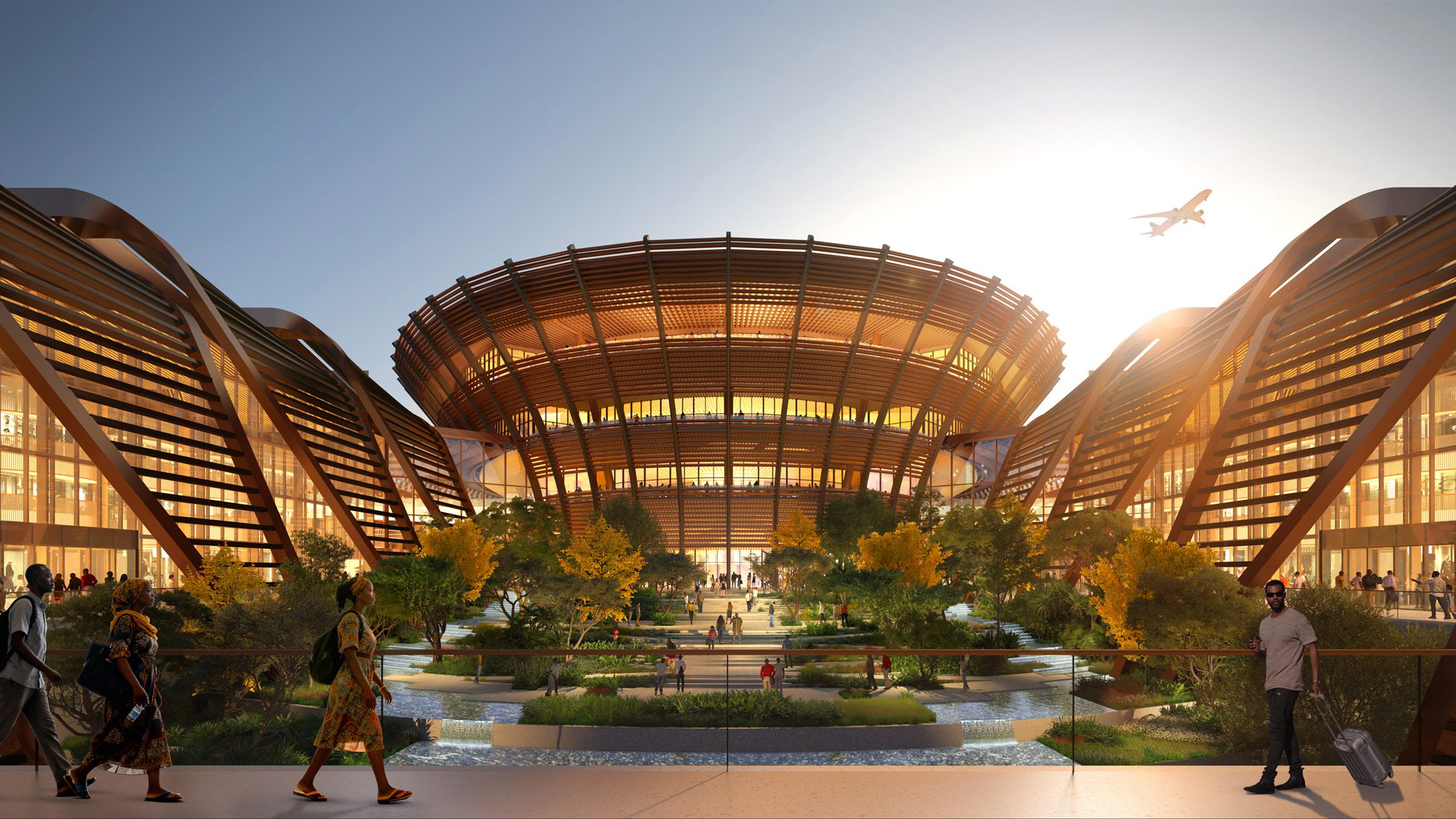
At its centre will stand the Central Beacon, a tower-like structure with a 60-metre interior atrium that its designers say will be the tallest of any airport in the world.
The feature will crown Bishoftu International Airport, a vast Ethiopian Airlines gateway led by DAR and shaped by Zaha Hadid Architects to move tens of millions of travellers each year.
Italian architecture and design magazine Domus published fresh details of the project on July 21, 2026, after speaking to Zaha Hadid Architects.
Crucially, Bishoftu is planned as more than a place to board a flight. It will combine aviation, tourism, retail, transport, logistics and urban development within a single airport city.
That ambition places it in the company of major international airports such as Singapore Changi Airport, Hamad International Airport in Doha, Dubai International Airport and Istanbul Airport.
It could also disrupt Africa’s airport rankings.
Cape Town International Airport retained its title as Africa’s best airport at the 2026 Skytrax World Airport Awards, but Bishoftu’s scale, architecture and passenger capacity could eventually give the South African airport a formidable rival.
DON'T MISS: Top 10 airports in Africa leading the aviation industry [PHOTOS]
A $12.5 billion aviation gamble
Prime Minister Abiy Ahmed laid the cornerstone for the airport on January 10, 2026, marking the start of construction on what will become Ethiopian Airlines’ main operating base.
Earthworks worth about $610 million were already under way by January 2026, while major construction was expected to begin in August.
Bishoftu International Airport will initially handle 60 million passengers a year, almost twice the 30.9 million passengers recorded by Cairo International Airport, Africa’s busiest airport, in 2025.
Interestingly, future expansion could raise Bishoftu’s annual capacity beyond 100 million passengers, driven by Ethiopia’s growing tourism, trade, diaspora travel and transfer traffic to support that rise.
The first phase, expected to be completed in 2032, will provide about 660,000 square metres of terminal space, four runways and parking positions for 270 aircraft.
Meanwhile, the surrounding airport city will occupy 61 hectares and contain nearly 800,000 square metres of planned buildings.
The project’s estimated cost rose from between $7.8 billion and $10 billion to about $12.5 billion by the January 2026 groundbreaking as its scope expanded.
Ethiopian Airlines plans to finance 30% of the project, while development banks, commercial lenders and private investors will provide the balance.
The African Development Bank has committed $500 million and is helping mobilise about $8.7 billion, while private investors will support the airport city.
DON'T MISS: Ethiopia kicks off $12.5 billion construction of Africa’s largest airport
How Zaha Hadid Architects won the design role
The airport’s design story began in 2024, when Ethiopian Airlines launched a global search for a team to shape its master plan, airfield, terminal and airport city.
Dar Al-Handasah, known as DAR, won the contract and became the lead consultant.
Zaha Hadid Architects took charge of the terminal’s architecture, interiors and functional planning, drawing on experience from Beijing Daxing International Airport and other major aviation projects.
The firm was founded by Baghdad-born Iraqi-British architect Zaha Hadid, the first woman to win the Pritzker Architecture Prize in 2004, whose London-based practice has carried on her futuristic design legacy since her death in 2016.
Bringing the Great Rift Valley indoors
At Bishoftu, the architects have drawn heavily from Ethiopia’s geography, climate and history.
The terminal’s central green spine will recreate parts of the Great Rift Valley, a region associated with some of the earliest evidence of human life.
The concept invokes Ethiopia’s identity as the “Cradle of Humanity”. Lucy, the famous early hominid fossil discovered in Ethiopia, is about 3.2 million years old.
“The Great Rift Valley is reimagined as a lush outdoor garden accessible year-round,” Zaha Hadid Architects told architecture and design magazine Domus.
The garden will stretch from the airside section through arrivals, departures, transfer areas and the landside entrance.
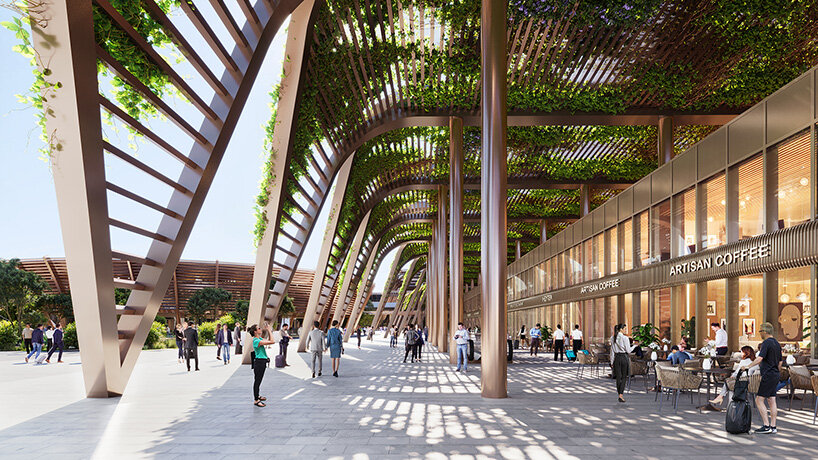
Passengers will be able to walk on grass, sit on rocks, experience streams of water and shelter beneath trees rescued during construction.
Zaha Hadid Architects says it will be the world’s only publicly accessible garden flowing through an airport.
DON'T MISS: Africa’s biggest airline opens $50m terminal as it moves to handle travel surge
The world’s tallest airport atrium
The airport’s most striking feature will be the Central Beacon.
Its exterior height will be capped at 45 metres to comply with International Civil Aviation Organisation aerodrome height limits.
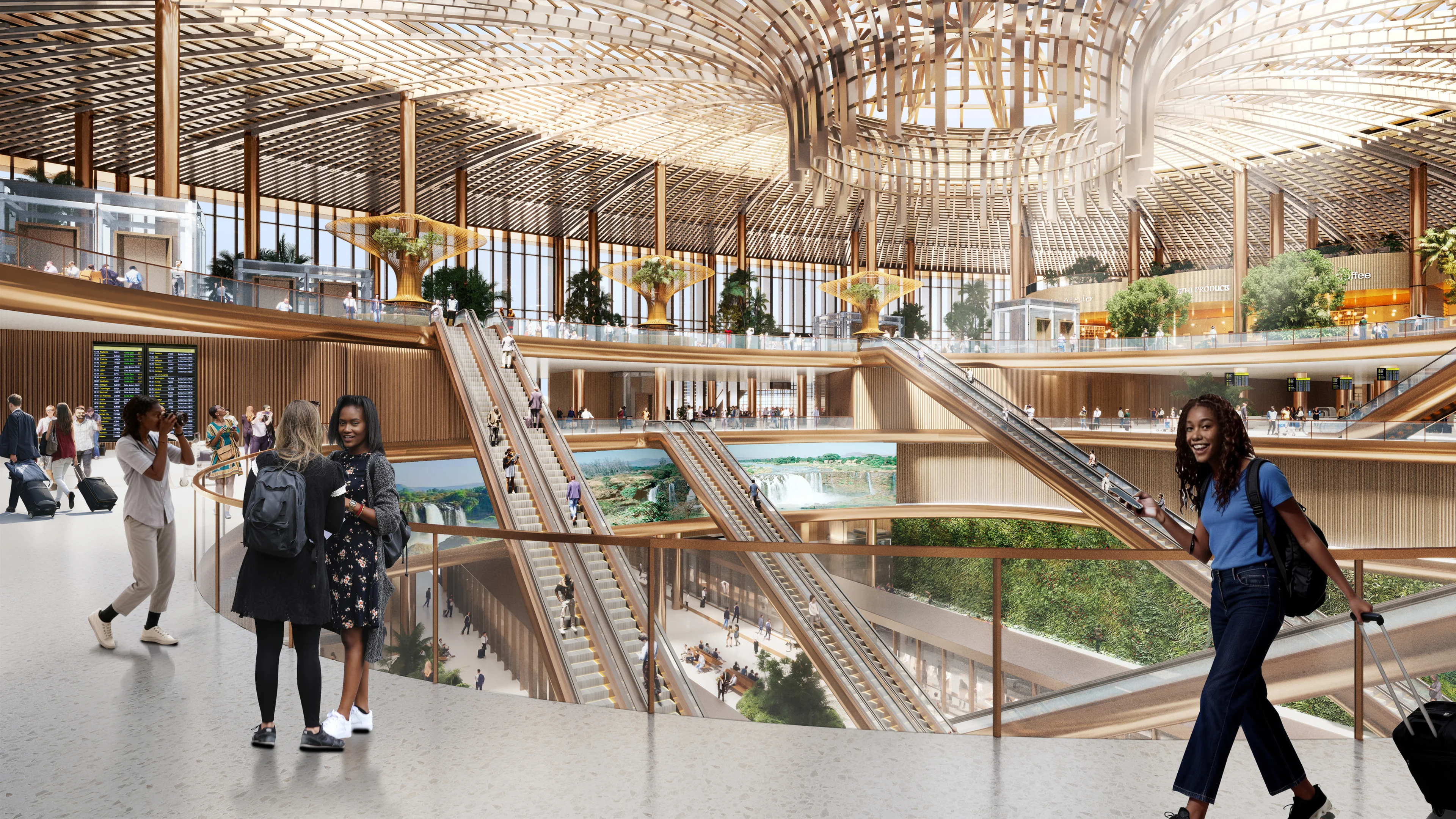
Inside, however, the atrium will rise 60 metres, making it the tallest airport atrium in the world, according to the designers.
The atrium will rise past several CIP lounge levels towards a glazed roof or, as the designers describe it, “quite literally, towards Cloud 9 and the sky beyond”.
Passengers from all travel classes will pass through the same multilevel space, where exposed lifts and escalators connect arrival, departure and transfer floors beneath a glazed roof.
A terminal designed to cool itself
Importantly, the Central Beacon will do more than create visual impact.
It will work as a solar chimney. Hot air will rise through the atrium, drawing cooler air from the central garden into the lower levels.
Similarly, staggered roof sections will encourage natural ventilation, create shade and reduce heat inside the terminal.
Rainwater collected from the roofs will be stored in underground tanks and used for greywater operations during dry periods.
The airport is targeting a US Green Building Council LEED Gold environmental performance rating.
Its designers plan to combine passive cooling, local materials and Design for Manufacturing and Assembly methods.
Why Ethiopia needs a new airport
Nevertheless, Bishoftu is not being built only for architectural prestige.
Ethiopian Airlines needs a larger and more efficient base because Addis Ababa Bole International Airport has little room left for expansion.
The airport is surrounded by urban development and already handles more than 25 million passengers a year.
Bole sits about 2,300 metres above sea level, where thinner air can limit fuel, passengers or cargo on long flights, while Bishoftu lies almost 400 metres lower.
Combined with longer runways, the lower elevation will allow aircraft to take off closer to their maximum weight with full loads of passengers, cargo and fuel.
Consequently, Ethiopian Airlines could reduce fuel stops on routes such as New York and eventually explore direct flights to Los Angeles and Australia, where large Ethiopian and African diaspora communities live.
Building an African mega-hub
Bishoftu will support an operation in which transfer passengers could account for as much as 80% of traffic during the initial phase.
A proposed high-speed railway, new highways, buses, taxis and tram services will connect the airport to Addis Ababa and Bole Airport.
The airport city is expected to create jobs, attract investment and generate income beyond passenger and cargo operations.
For Ethiopia, the project is both an answer to Bole Airport’s limitations and a statement of what Africa can achieve when finance is put to good use.