How sustainable farming ends farmers’ dependence on exploitative loans
TANZANIA: THE Sustainable Agriculture Project being implemented in Seuri and Oldonyowas villages is transforming lives by giving farmers a pathway out of poverty, reducing their dependence on exploitative loans and restoring hope in farming as a profitable and sustainable livelihood. Supported by Island of Peace and the Research, Community and Organisational Development Associates (RECODA), the … The post How sustainable farming ends farmers’ dependence on exploitative loans appeared first on Daily News.
 Black News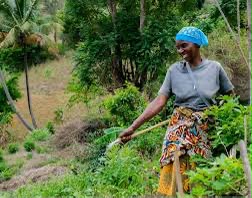
TANZANIA: THE Sustainable Agriculture Project being implemented in Seuri and Oldonyowas villages is transforming lives by giving farmers a pathway out of poverty, reducing their dependence on exploitative loans and restoring hope in farming as a profitable and sustainable livelihood.
Supported by Island of Peace and the Research, Community and Organisational Development Associates (RECODA), the initiative is benefiting more than 700 farmers across 10 villages, where agroecological farming practices are improving food production, strengthening household incomes and promoting environmental conservation.
For many years, farming in the area was increasingly becoming an unprofitable venture. Poor harvests, declining soil fertility, erratic weather patterns and limited access to quality agricultural knowledge discouraged many families from investing in agriculture. As crop yields continued to fall, some farmers resorted to taking high-interest loans from informal lenders in an attempt to sustain their farming activities and meet household needs. Instead of improving their lives, however, the loans often trapped them in a vicious cycle of debt that strained family relationships and deepened poverty.
Today, that situation is steadily changing.
Farmers who spoke separately to this reporter described the Sustainable Agriculture Project as a turning point that has restored their confidence in farming. Through continuous training, practical demonstrations and support in adopting agroecological farming methods, they say they are now harvesting more, earning better incomes and planning for a brighter future.
Witness Sikoi, a farmer from Seuri village and Chairperson of the Elishorie Group, said the project implemented by Island of Peace and RECODA has completely changed his perception of farming.
According to her, farming is no longer viewed as a struggle with little reward but as a dependable source of income capable of improving household welfare.
She recalled that before the project was introduced, many women in the community relied on exploitative loans that came with harsh repayment conditions. The financial pressure often created tension within families, leading to frequent misunderstandings and conflicts between husbands and wives.
“We had no peace because of blood-sucking loans, but right now we have unmatched peace because we farm on a small piece of land, get good yields and have a guaranteed market,” she said.
Sikoi explained that the improved agricultural productivity has enabled farmers to generate enough income to meet their household needs without borrowing from unscrupulous lenders. The formation of community savings and lending groups has further strengthened their financial resilience by providing members with a safe and affordable way to save money and access small loans for productive investments.
“Today we have our own savings and lending groups and our lives are guided by love, cooperation and peace,” she added.
Her testimony reflects a broader transformation taking place across the project area, where improved agricultural practices are contributing not only to economic growth but also to stronger family relationships and greater social cohesion.
For Neema Augustino, a member of the Faida Group, the project has opened doors to opportunities she once considered beyond her reach.
She said the training on agroecology has equipped farmers with knowledge that benefits the land, protects the environment and produces healthier food for consumers while increasing farm productivity.
“The Sustainable Agriculture Project has enabled me to grow bananas, keep pigs and join VICOBA, something that guarantees my future,” she said.
Through income earned from farming, Neema has diversified her livelihood and strengthened her family’s economic security. She believes that combining crop production with livestock keeping and participation in Village Community Banks (VICOBA) has reduced financial uncertainty while creating opportunities for long-term investment.
She also noted a significant change within households.
One of the most encouraging outcomes of the project, she said, is the growing support women are receiving from their husbands.
“In the past, this kind of cooperation was not common, but today we work together because everyone can see the benefits that farming is bringing to our families,” she explained.
The increased involvement of both men and women in agricultural activities demonstrates how improved livelihoods can contribute to stronger family partnerships and more inclusive decision-making at household level.
The project’s success has also been driven by continuous farmer education.
Farmers’ trainer Richard Kivuyo said beneficiaries have shown remarkable commitment to learning and implementing the recommended farming practices. Their willingness to embrace new knowledge has made it easier for trainers to transfer practical skills that improve productivity while protecting natural resources.
According to Kivuyo, agroecology encourages farmers to work with nature rather than against it by making better use of locally available resources, improving soil fertility through organic methods, conserving water and reducing dependence on expensive agricultural inputs.
These practices not only lower production costs but also increase resilience against changing climatic conditions, making farming more sustainable over the long term.
Vegetable farmer Flora Molel from Oldonyowas village is among those who have experienced the benefits of adopting agroecological farming methods.
She said the approach is simple to implement and offers numerous economic, social and health advantages.
On her farm, she grows eggplants, kale, spinach, amaranth, African nightshade and several other vegetables using ecological farming techniques that promote healthy soils and minimise harmful environmental impacts.
“My products have a guaranteed market and I also sell online, so I have reliable income,” she said.
Reliable markets have become an important component of the project’s success. Farmers are not only producing more but are also able to sell their produce at better prices, giving them greater confidence to expand production and invest in their farms.
Flora said agroecology has also brought her national recognition.
Last year, she emerged as the first-place winner in Arusha District, an achievement she attributes to the knowledge and skills acquired through the Sustainable Agriculture Project.
Her success demonstrates how smallholder farmers can become role models within their communities when equipped with appropriate knowledge, practical support and market opportunities.
Beyond improving individual livelihoods, the project is creating a ripple effect throughout participating communities.
RECODA Executive Director Josephine Ng’ang’a said the initiative has produced encouraging results, with several farmer groups becoming so successful that they have inspired the formation of new groups in neighbouring communities.
The growing interest among farmers reflects increasing confidence in agroecological farming as a practical solution to food insecurity, environmental degradation and rural poverty.
Josephine said RECODA has maintained close collaboration with the Government in implementing its programmes, ensuring that project activities complement national agricultural development efforts.
She noted that the organisation continues to apply the RIPAT principles under the slogan, “Hunger and Poverty Can Be History,” a philosophy that encourages rural communities to utilise locally available resources, build self-reliance and improve household livelihoods through sustainable agricultural practices.
The collaboration between development partners, government authorities and farming communities has created a strong foundation for lasting change.
ALSO READ: Tanzanian coffee farmers benefit as HRNS unveils new global leadership team
Through continuous training, community participation and farmer-led innovation, the project is helping families become more resilient while reducing dependence on external assistance.
As climate change, rising production costs and economic uncertainties continue to threaten smallholder agriculture, initiatives such as the Sustainable Agriculture Project demonstrate that practical, locally driven solutions can deliver lasting results. By promoting agroecology, strengthening farmers’ organisations, expanding access to savings groups and improving market opportunities, the project is empowering rural households to build sustainable livelihoods based on their own knowledge, skills and resources.
For the more than 700 farmers already benefiting across 10 villages, the transformation is evident not only in healthier crops and increased incomes but also in renewed optimism, stronger families and communities that are steadily breaking free from the cycle of debt and poverty. Their experience offers a powerful reminder that with the right support, sustainable agriculture can become more than a farming practice it can be a pathway to dignity, prosperity and lasting rural development.
The post How sustainable farming ends farmers’ dependence on exploitative loans appeared first on Daily News.