How Southern Music Traditions Inspire Modern Audiophile Listening Setups
From blues clubs in Mississippi to country stages in Tennessee and jazz halls in Louisiana, Southern culture helped shape many of America’s most influential sounds. The post How Southern Music Traditions Inspire Modern Audiophile Listening Setups appeared first on Deep South Magazine.
 Black News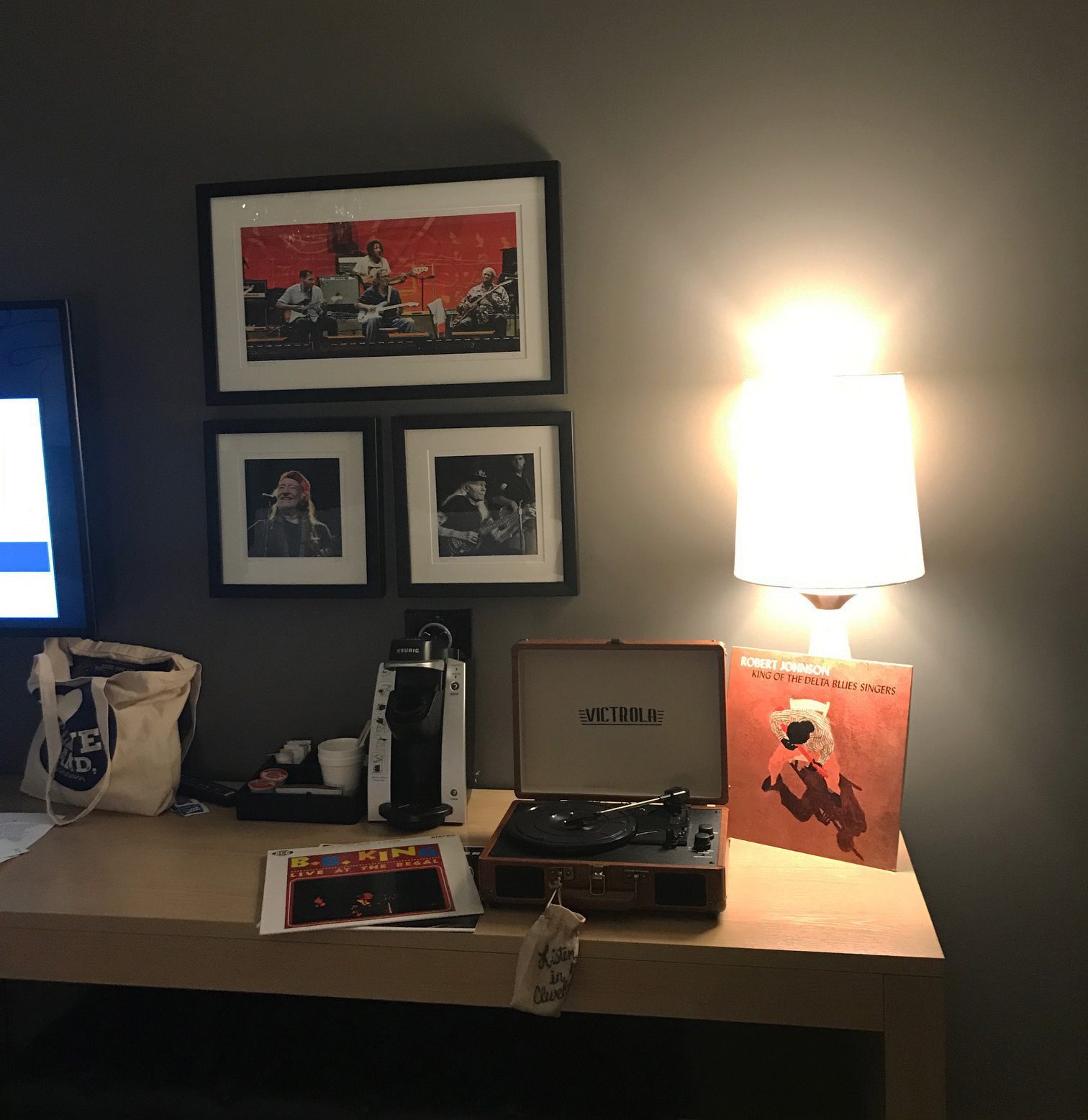

The South has always had a deep connection to music. From blues clubs in Mississippi to country stages in Tennessee and jazz halls in Louisiana, Southern culture helped shape many of America’s most influential sounds. Music in the South is more than entertainment. It is storytelling, family history and community tradition passed down through generations.
Today, those traditions continue to influence modern audiophile culture. Many music lovers are building listening spaces inspired by the warmth, emotion and authenticity found in Southern music history. Modern audiophile setups may include advanced speakers, amplifiers and turntables, but the heart of the experience remains rooted in the same values Southern musicians embraced decades ago: rich sound, emotional connection and appreciation for craftsmanship.
The South’s Long Relationship With Live Sound
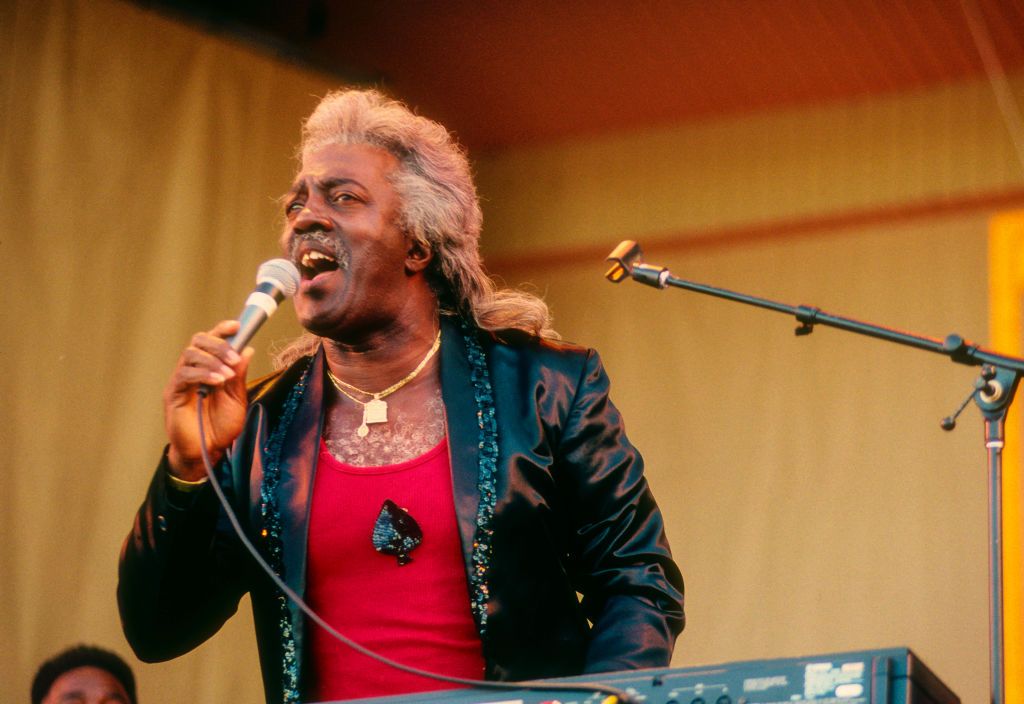
Southern music developed in places where live performance mattered. Front porches, churches, dance halls and neighborhood bars became gathering places where people connected through music. Blues musicians relied on raw emotion and simple instrumentation. Country artists focused on storytelling and vocal clarity. Jazz performers experimented with layered arrangements and improvisation.
Because live music played such an important role in Southern communities, listeners became highly sensitive to sound quality. They appreciated the texture of a guitar string, the emotion in a singer’s voice and the atmosphere created by a live room.
Modern audiophiles often chase that same feeling. High-end listening setups are designed to recreate the emotional depth of live performances. Many enthusiasts want to feel as though the artist is performing directly in front of them. Southern music traditions helped inspire this pursuit of realism and warmth.
Vinyl Records And Southern Listening Culture
Vinyl records remain closely tied to Southern music culture. Many legendary blues, jazz and country recordings first reached audiences through vinyl. The format encouraged intentional listening. People sat down, played an album from beginning to end and focused entirely on the experience.
That style of listening still appeals to modern audiophiles. Vinyl continues to thrive because listeners value its warmth and immersive quality. For many people, listening to vinyl feels personal and nostalgic. It slows the pace of everyday life and creates space to fully appreciate music.
Southern homes often embraced music as part of daily living. Records played during family gatherings, weekend meals and relaxed evenings on the porch. Modern listening rooms recreate that atmosphere by blending comfort with high-quality sound equipment.
Today’s audiophile setups may include vintage-inspired furniture, warm lighting and carefully selected speakers that mirror the inviting environments where Southern music traditions originally flourished.
Craftsmanship Still Matters
Southern culture has long valued handmade craftsmanship. Whether in woodworking, cooking, storytelling or music, attention to detail carries meaning. That appreciation naturally extends into audiophile culture.
Many audio enthusiasts carefully select every part of their setup. Speakers, amplifiers, turntables and cables all play a role in shaping the listening experience. Some listeners spend years refining their systems to achieve the sound they want.
Even small upgrades can influence audio clarity and depth. Many audiophiles explore premium options when shopping for audio cables online because they want equipment that complements the detail and warmth found in classic recordings. The goal is not simply louder sound. It is cleaner, richer and more natural audio that captures the spirit of the original performance.
Blues Music And The Pursuit Of Authenticity

Blues music remains one of the clearest examples of how Southern traditions shape audiophile preferences. Blues recordings often feature emotional vocals, expressive guitar tones and minimal production. Every subtle detail matters.
Audiophiles frequently use blues tracks to test the quality of their systems because the genre exposes weaknesses in playback equipment. A strong setup allows listeners to hear the texture of a slide guitar, the resonance of a bass line and the emotion behind every lyric.
Authenticity matters deeply in both blues culture and audiophile listening. Southern musicians built careers on honest storytelling and emotional performance. Modern listeners continue searching for systems that preserve those qualities without distortion or artificial enhancement. That connection explains why so many audiophiles gravitate toward Southern genres when demonstrating or evaluating their equipment.
Listening Rooms Inspired By Southern Comfort
The design of modern listening rooms also reflects Southern influence. Unlike cold or overly technical spaces, many audiophile environments prioritize comfort and hospitality. Soft seating, wood accents, rugs and warm lighting create inviting spaces where people can relax and enjoy music together.
Southern culture often centers around hospitality and shared experiences. Music historically brought families and communities together. Audiophile culture embraces a similar mindset by encouraging intentional listening and meaningful connection. Some enthusiasts host listening parties where friends gather to experience albums together. Others create private spaces designed for quiet reflection and uninterrupted listening. In both cases, the atmosphere matters just as much as the equipment itself.
A listening room inspired by Southern traditions feels lived-in and welcoming rather than overly polished or sterile.
The Influence Of Southern Genres On Audio Equipment Choices
Different music genres shape the way audiophiles build their systems. Southern genres such as blues, jazz, gospel and country often emphasize vocals, acoustic instruments and natural dynamics. As a result, many listeners choose equipment that highlights warmth and clarity instead of exaggerated bass or artificial brightness.
Tube amplifiers, for example, remain popular among audiophiles because they create a smooth and organic sound that pairs well with older recordings. Vintage speakers and analog equipment also continue attracting enthusiasts who appreciate the softer presentation associated with classic Southern music.
Modern streaming technology offers convenience, but many listeners still seek setups that preserve the emotional qualities of traditional recordings. Southern music reminds people that sound is not only technical. It is emotional and deeply human.
Storytelling Through Sound
One reason Southern music continues influencing audiophile culture is its emphasis on storytelling. Lyrics often explore family, hardship, love, travel, faith and resilience. The emotional weight behind those stories deserves careful listening. Audiophiles build systems that allow them to hear every detail in a recording because those details strengthen emotional connection. A properly tuned setup reveals subtle vocal inflections, room acoustics and instrumental layers that might otherwise go unnoticed.
That level of listening transforms music from background noise into an experience. It encourages people to slow down and engage fully with the artist’s message.
Southern storytelling traditions helped create that listening mindset long before modern audio technology existed.
Why Southern Music Traditions Still Matter Today
Even as technology evolves, Southern music traditions continue shaping the way people experience sound. The values behind those traditions—authenticity, craftsmanship, emotion and community—remain central to audiophile culture. Modern equipment may look very different from the radios and record players of past generations, but the purpose remains similar. People want to feel connected to music in a meaningful way. They want sound that feels real, immersive and emotionally honest.
Southern music history reminds listeners that great audio experiences are not only about technical performance. They are about atmosphere, memory and emotional connection.
That influence continues inspiring audiophiles to create listening spaces where music can be appreciated with the same care and attention that Southern musicians brought to every performance.
The post How Southern Music Traditions Inspire Modern Audiophile Listening Setups appeared first on Deep South Magazine.