German political funding body explains why it donates to the DA
The Friedrich Naumann Foundation says it is one of six organisations using German public funds for international political projects.
 Black News
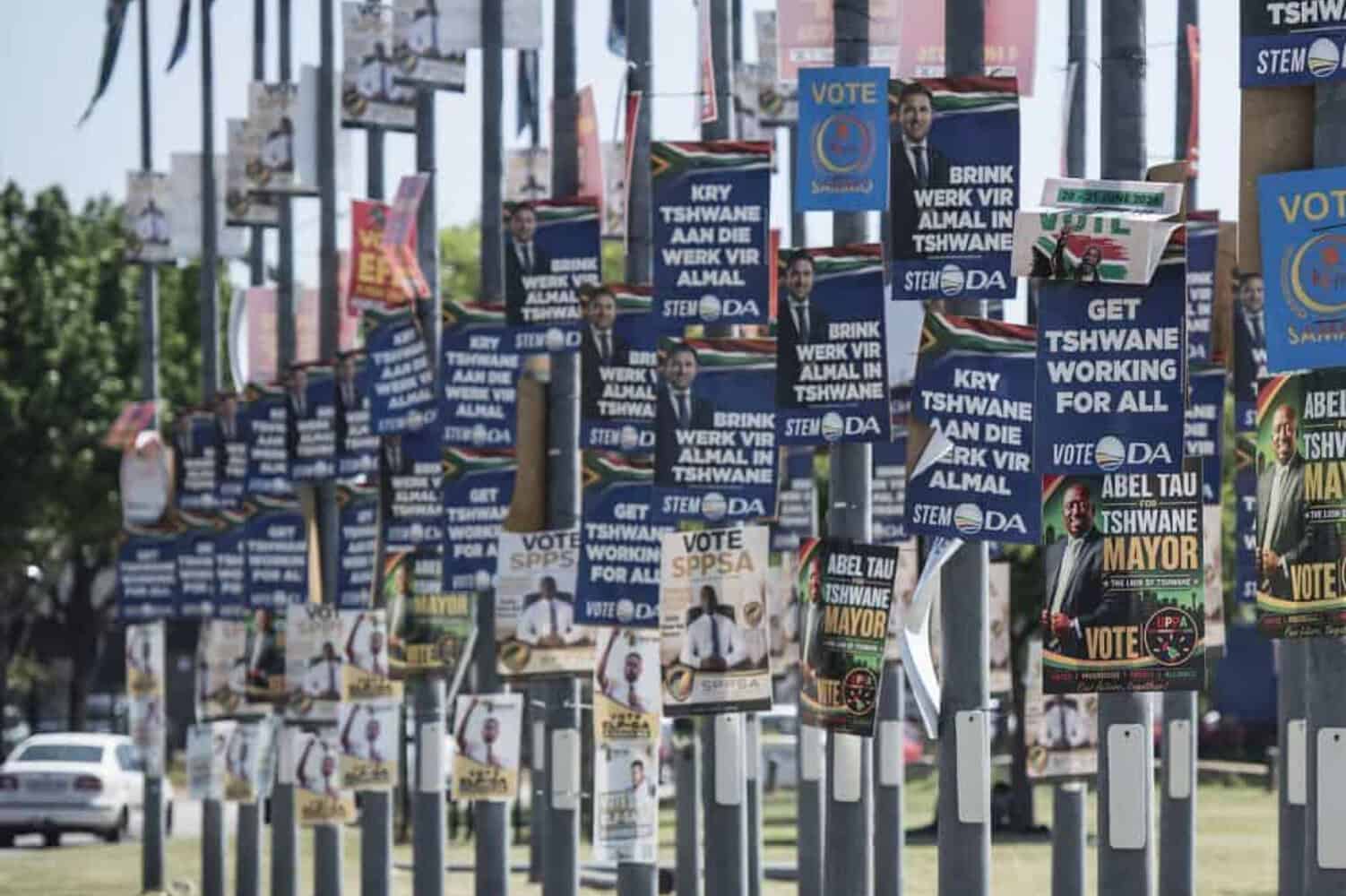
Political donations from abroad are tokens of solidarity given in the pursuit of commonly shared ideas.
This was the sentiment of a German non-profit that makes regular monetary and in-kind donations to the DA.
The Friedrich Naumann Foundation (FNF) stated that it was one of six “established German political foundations active in South Africa”.
Other international organisations that donated to the South Africa’s political parties in the last year included the Danish Liberal Democracy Programme, Konrad Adentaur Stiftung and Westminster Foundation for Democracy.
However, in the five most recent quarterly reports available on the Electoral Commission of South Africa’s (IEC) website, donations from the foreign organisations were less than those made by one foreign-based South African businessman who has been hedging his bets.
No desire ‘to prescribe its policies’
The IEC’s declarations data showed the FNF made monetary and in-kind donations to the DA valued at R4.8 million between April 2025 and June 2026.
The FNF stated the German organisations involved in South Africa were funded largely through German public resources and focused on civic education, training and research ties with parties and civil society.
The FNF believed it shared a host of “liberal traditions” with the DA.
“Our longstanding partnership with the DA reflects shared commitments to individual freedom, constitutional democracy and the rule of law.
“Cooperation with parties that share these principles forms part of our international work. In South Africa, we also work with civil society organisations, think tanks and research institutions,” the FNF’s press department told The Citizen.
The FNF stated its cooperation with the DA extended to training, leadership development, and knowledge exchange around democratic governance and public policy, but did not dictate matters.
“Our purpose is to support the party’s capacity to fulfil its democratic role whether in opposition or government.
“We do not seek to prescribe its policies, determine its legislative positions or direct decisions in government. The DA and its elected representatives retain those responsibilities,” the FNF confirmed.
Risk of foreign interference in ‘disguise’
Moshal, the elusive businessman born in Durban but reportedly living in Australia, donated a combined R15 million to the DA and its now arch-nemesis ActionSA since April 2025.
A request for comment was sent to the Moshal Program, which will be added if received.
Free Market Foundation CEO David Ansara provided a defence of foreign donations and the support given by Moshal.
“Mr Moshal should be celebrated for his generous contributions to the campaigns of the DA and ActionSA.
“Since both parties could form governments in several major metros, perhaps Mr Moshal could play a constructive role in encouraging them to work together to improve local government for all South Africans,” Ansara told The Citizen last week.
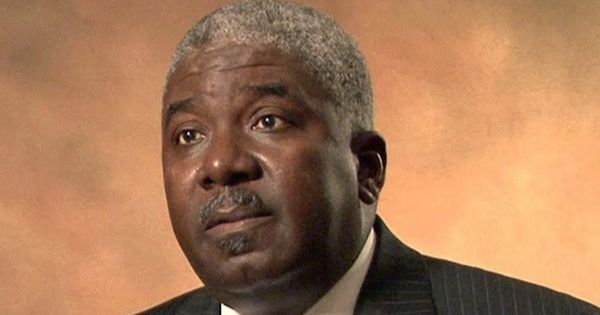
But former ANC and Cope member Dennis Bloem, now representing Activists and Citizens Forum, cautioned against foreign funding and its possible consequences.
“We know there is no such a thing of a free lunch. These donors will always have their own demands and expectations for their money.
“We are also running the risk that foreign intelligence structures can disguise themselves as NPOs and NGOs and infiltrate the country,” Bloem told The Citizen.
He argued that domestic matters should be solved using domestic resources.
“We believe that Parliament should enact a law that will ban the funding of political parties from foreign entities. Funding of political parties must strictly come from internal entities,” Bloem concluded.
‘A healthy return on investment’
Foreign funding of the DA was dwarfed by the roughly R200 million raised by South African business people.
Ansara stated that private entities should not only be allowed to donate, but also be encouraged to support political parties of their choice.
“Providing financial support for political parties or civil society organisations is an important mechanism for business to contribute positively to democratic accountability and political competition.
“However, substantial funding does not always translate into electoral success. It is ultimately up to the electorate to decide which party deserves support,” Ansara said.
He added that the DA being the only party to secure a majority in a metro was an achievement not to be ignored.
“Given the fragmentary nature of contemporary politics, it will become increasingly difficult for any party to achieve outright majorities.
“Seen in this light, the DA’s electoral performance represents a healthy return on investment,” Ansara concluded.