
Geopolitical Tensions in the Gulf and Fuel Surges Drive 25% Increase in Airline Operating Costs
Escalating geopolitical tensions in the Gulf region and soaring global fuel prices have created severe operational hurdles for Ethiopian Airlines, causing overall operating costs to surge by 25%. According to Ethiopian Airlines Group CEO Mesfin Tasew, ongoing conflicts in the Middle East have significantly disrupted regional logistics, directly undermining the carrier’s fuel procurement networks and […]
 Black News
Escalating geopolitical tensions in the Gulf region and soaring global fuel prices have created severe operational hurdles for Ethiopian Airlines, causing overall operating costs to surge by 25%. According to Ethiopian Airlines Group CEO Mesfin Tasew, ongoing conflicts in the Middle East have significantly disrupted regional logistics, directly undermining the carrier’s fuel procurement networks and pushing expenditures well beyond normal projections.
The crisis intensified dramatically following the closure of the Strait of Hormuz, which blocked the airline’s primary jet fuel import routes originating from Kuwait and triggered a localized fuel shortage in Addis Ababa.
To prevent widespread flight cancellations and maintain schedule integrity, the airline was forced to proactively procure jet fuel from alternative international markets and reroute aircraft through neighboring nations.
As the CEO noted while presenting the group’s 2025/26 performance report, while these emergency measures successfully stabilized flight operations, they generated substantial unexpected expenditures, placing heavy pressure on the company’s financial structure.
Mesfin warned that if these elevated energy prices persist throughout the new fiscal year, they will place a heavy squeeze on profit margins, even as the airline strives to maintain a resilient financial footing through swift operational adjustments.
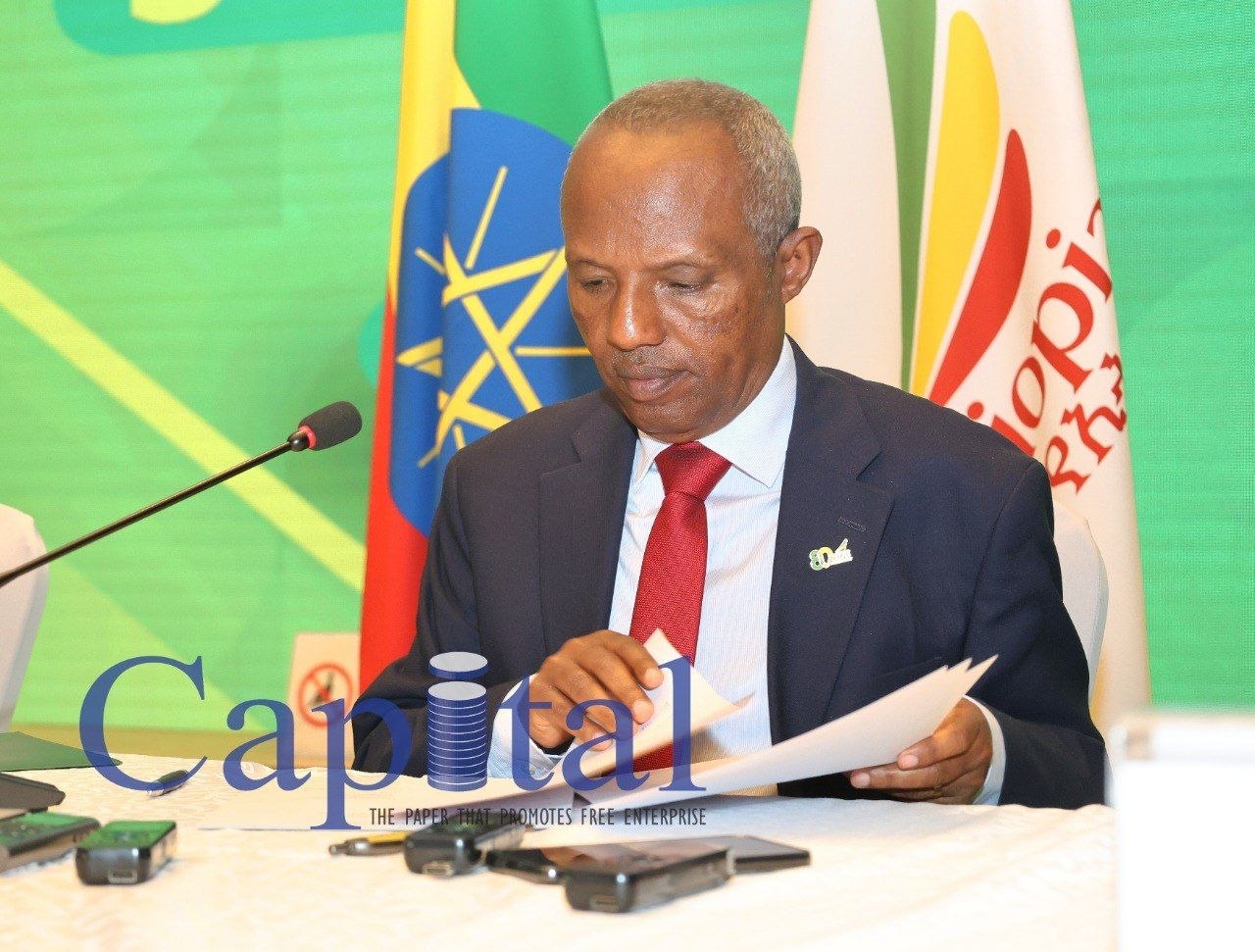
Despite these immense external pressures and a temporary dip in passenger volumes along Gulf corridors, it was reported that the airline achieved a 20% revenue growth for the concluded fiscal year.
According to the group’s report, Ethiopian Airlines generated $9.1 billion in revenue, reflecting a significant increase compared to the $7.2 billion recorded in the previous fiscal year. Mesfin Tasew emphasized that while operating expenses rose quickly due to fuel inflation, strong overall revenue growth has kept the airline firmly profitable.
Building on this robust foundation, the company has rolled out an expansive growth strategy for the current fiscal year, setting an ambitious target to achieve $10 billion in revenue.
To navigate volatile global conditions and sustain its upward trajectory, the airline is advancing several key initiatives, including increasing total passenger volume to 23 million, launching six new international destinations, integrating 17 new aircraft into active service, and expanding cargo capacity by 11% alongside a 14% increase in cargo revenue.