Former Goldman Sachs banker found guilty of paying over $1 million in bribes to secure Ghana power plant deal
A former Goldman Sachs Group Inc. banker has been convicted of his role in a bribery scheme that involved paying more than $1 million to Ghanaian government officials to secure approval for a lucrative power plant project.
 Black News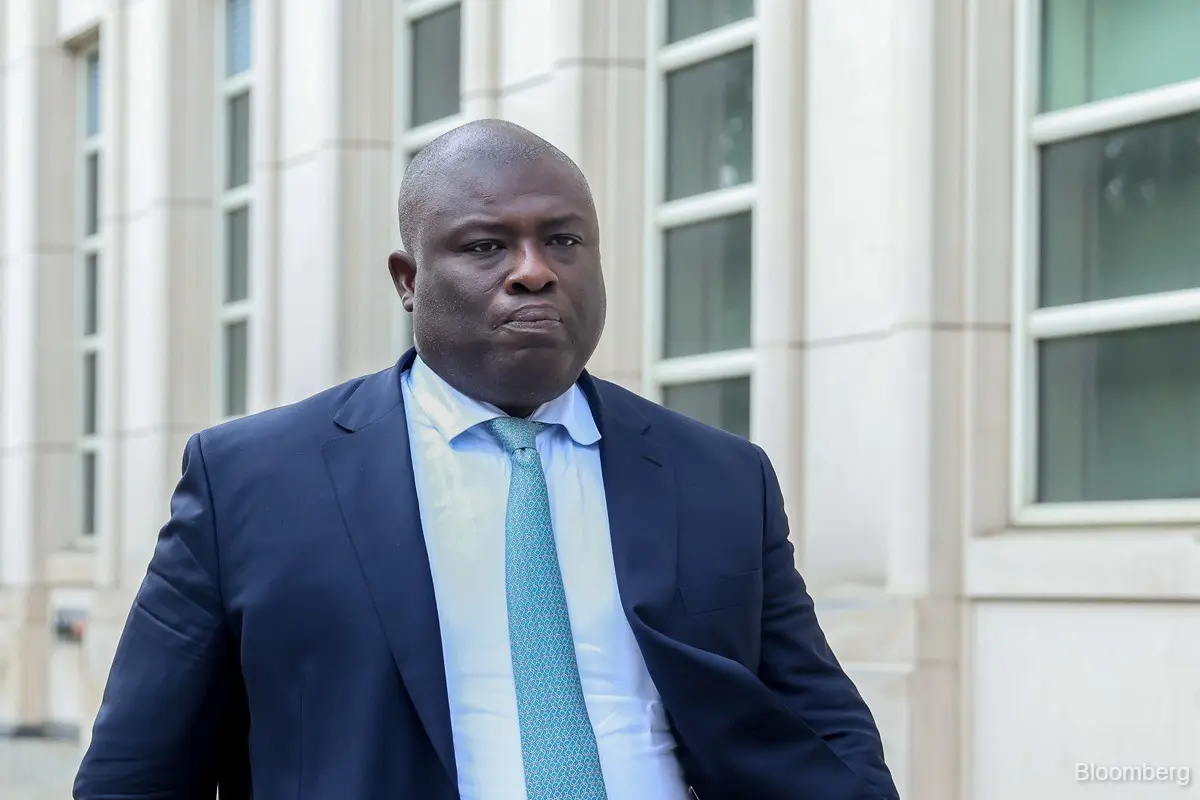


A former Goldman Sachs Group Inc. banker has been convicted of his role in a bribery scheme that involved paying more than $1 million to Ghanaian government officials to secure approval for a lucrative power plant project.
- A former Goldman Sachs banker, Asante Kwaku Berko, was convicted for paying over $1 million in bribes to Ghanaian officials to secure approval for a power plant project.
- Berko was found guilty by a federal jury in Brooklyn and faces up to 30 years in prison, with sentencing pending.
- The bribery scheme took place around 2014 and involved influencing senior Ghanaian officials to approve a lucrative energy deal with Turkish company Aksa Enerji.
- Berko and co-conspirators used coded language, shell companies, fake invoices, and nominee accounts to conceal the bribery and launder money.
A former Goldman Sachs Group Inc. banker has been convicted of his role in a bribery scheme that involved paying more than $1 million to Ghanaian government officials to secure approval for a lucrative power plant project.
Asante Kwaku Berko, a dual U.S.-Ghanaian citizen, was found guilty by a federal jury in Brooklyn, New York.
According to prosecutors, Berko and his associates paid bribes to senior Ghanaian officials about a decade ago to secure government backing for the development and financing of the multimillion-dollar power plant. Prosecutors said the scheme was carried out independently of Goldman Sachs.
The verdict followed a nine-day trial before United States District Judge Diane Gujarati. When sentenced, Berko faces up to 30 years in prison. Berko was ordered remanded pending sentencing.
Joseph Nocella, Jr., United States Attorney for the Eastern District of New York, A. Tysen Duva, Assistant Attorney General of the Justice Department’s Criminal Division, and James C. Barnacle, Jr., Assistant Director in Charge, Federal Bureau of Investigation, New York Field Office, announced the verdict.
"Today’s verdict marks another significant victory in this Office’s longstanding commitment to rooting out corruption,” stated United States Attorney Nocella. “The defendant abused his access to high-level foreign government officials and his platform as an investment banker at a prestigious American firm to line his own pockets with millions of dollars.”
“We live in a global economy that American companies must be able to compete in fairly,” said Assistant Attorney General Duva of the Justice Department’s Criminal Division.
“This defendant corrupted that fair competition. He abused his position at a world-renowned American investment bank by helping bribe Ghanaian officials, so he and his co-conspirators, including senior executives at a Turkish company, could make money."
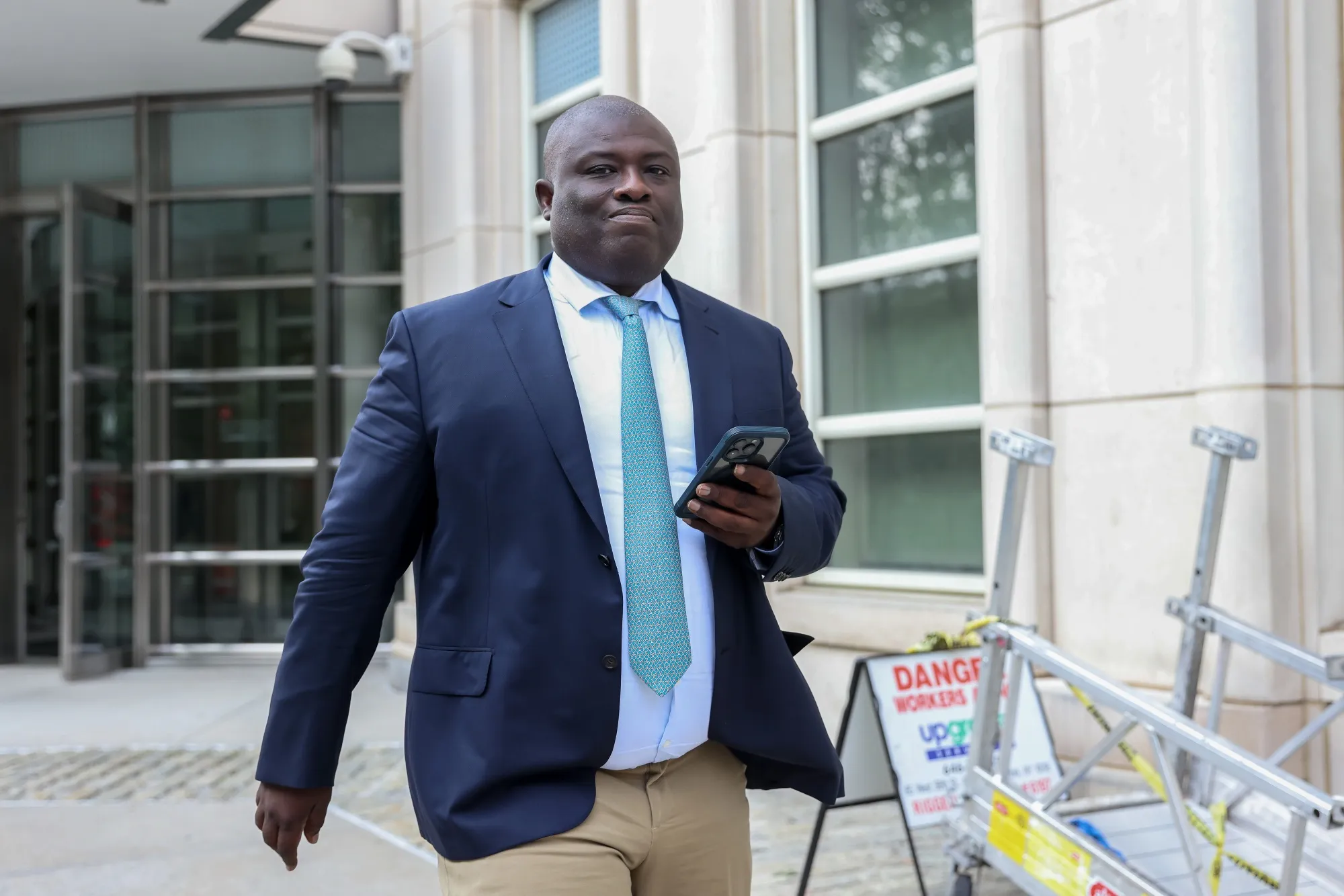
How the bribery scheme unfolded
According to evidence presented at trial, Berko orchestrated a scheme to pay more than $1 million in bribes to multiple Ghanaian government officials to secure approvals for a power plant project expected to generate hundreds of millions of dollars in profits.
The scheme began in late 2014, when Berko, then an Executive Director in Goldman Sachs' Investment Banking Division, was tasked with managing a deal between the Ghanaian government and Turkish energy company Aksa Enerji Uretim A.S., a Goldman client. Ghana was grappling with a severe energy crisis at the time, making the proposed power plant a strategically important project.
Prosecutors said Berko and his co-conspirators sought to influence the bidding process by bribing officials across different levels of the Ghanaian government. They allegedly discussed paying $1 million to Ghana's Minister of Power, who oversaw key approvals for the project, and another $250,000 to the minister's senior adviser. The scheme also included an all-expenses-paid trip to Turkey for five Ghanaian officials to inspect equipment for the planned power plant.
After Ghana's Parliament ratified the agreement in July 2015, the conspirators allegedly exchanged emails detailing additional payments. One discussion referenced $250,000 in bribes distributed to several individuals, including $46,000 paid to members of Parliament. In another exchange, a co-conspirator said one recipient was waiting for the "holy rain"—a coded reference, prosecutors said, to the promised bribe money.
To avoid detection, prosecutors said Berko concealed the scheme from Goldman Sachs by misleading the firm's compliance team and using his personal email account instead of his corporate one. He also instructed his associates to communicate outside the company's systems.
The group allegedly routed payments through shell companies, fake invoices, nominee bank accounts and cash withdrawals, laundering the funds through both U.S. and international financial institutions.
Goldman Sachs ultimately withdrew from the transaction after raising concerns about potential corruption.