Engineers in a North African nation have built a $1.15m attack drone without the vulnerability of relying on GPS, bringing advanced tech to frontline warfare
A team of five Moroccan engineers has built an autonomous attack drone prototype that operates without relying on satellite GPS navigation, addressing a major vulnerability in modern military tech.
 Black News
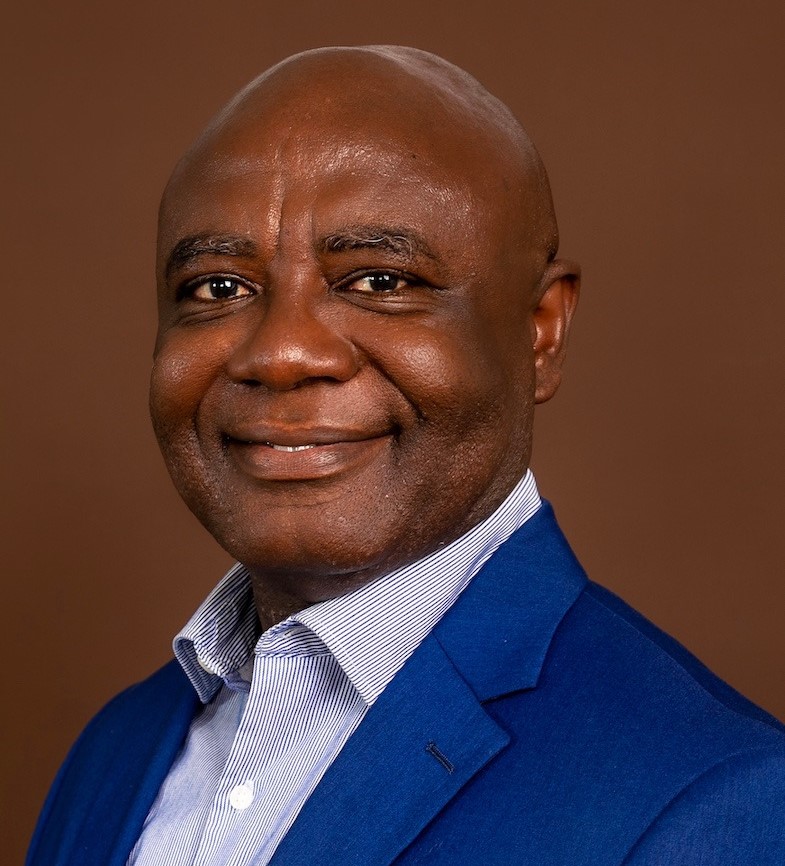
![Fahd Laamoumi, co-founder and managing director of Moroccan defense startup Ballistic Defense System (BDS). (Designed by MWN team) [Image Credit: Morocco World News]](https://ocdn.eu/pulscms/MDA_/ec1dbbaaaa7d502de71e1b17f55c38fe.jpeg)
A team of five Moroccan engineers has built an autonomous attack drone prototype that operates without relying on satellite GPS navigation, addressing a major vulnerability in modern military tech.
- A team of Moroccan engineers developed an autonomous attack drone that navigates without satellite GPS.
- The drone project, created by Ballistic Defense System (BDS) in Rabat, took less than 18 months and cost under $1.15 million.
- Instead of GPS, the drone uses onboard visual data processing and AI to match terrain and guide final strikes with high precision.
- The system was successfully tested on a 17-kg prototype over 800 kilometers in Belgium, finalizing its navigation software.
Developed by Rabat-based defense startup Ballistic Defense System (BDS), the project required under 18 months and less than $1.15 million (MAD 11.5 million) in self-funded development.
Moroccan engineers test autonomous drone technology in Belgium
Unlike conventional remote-controlled aircraft, the kamikaze drone processes optical ground data onboard using a hand-sized computer to match visual terrain against a global elevation map.
![Fahd Laamoumi, co-founder and managing director of Moroccan defense startup Ballistic Defense System (BDS). [Image Credit: Morocco World News]](https://ocdn.eu/pulscms/MDA_/c50736c784cbe34050b23522006d69ba.jpg)
Once within the target zone, artificial intelligence systems search for the objective and guide a final precision strike to within one meter.
DON'T MISS THIS: DR Congo, Sudan and Mali lead Africa’s military drone imports as US and Iran supply rival sides in Russia-Ukraine war
The navigation system was validated on a 17-kilogram test vehicle over 800 kilometers of flight trials in Chimay, Belgium.
Speaking to Morocco World News, BDS co-founder Fahd Laamoumi noted that “the hardest part is behind us,” as the onboard navigation software is finalized.
Addressing operational ethics, Laamoumi told Morocco World News that “autonomy serves human decisions; it does not replace them,” confirming that military personnel must authorize all missions and maintain override capabilities.
DON'T MISS THIS: German defence giant plans South African production line for drone bomb with 15 km range
Emphasizing accountability, he added, “In defense, claims mean nothing without proof”.
The company is now awaiting access to military testing infrastructure in Morocco to build and evaluate a larger 250-kilogram operational model designed for a 2,000-kilometer range.
Drone project advances Morocco's defense industry
As stated through a Linkedln post Laamoumi noted that the main purpose of the project is to advance Morocco's defense industry.
He said "Sovereign technology, made in Morocco, by Moroccans. Everything was designed, coded, built and tested in Morocco by Moroccan engineers, with zero outsourcing. The know-how, the data and the intellectual property stay in the Kingdom."
He later added that "This work is our contribution to the vision of His Majesty King Mohammed VI: to build a national defense industry, master critical technologies and develop Moroccan talent in strategic fields."
DON'T MISS THIS: Ethiopia and Eritrea cut diplomatic ties as reported drone strikes raise fears for Addis Ababa
The also expressed appreciation for the support received during the project: "We are grateful to the Ministry of Industry and the Innovation Support Fund for their support. I am immensely proud of the Ballistic Defense System team. Their talent, discipline and commitment made this possible."
"