East African Countries to deploy 35 mobile medical diagnostic laboratories along the borders by 2027
East Africa has established a Mobile Laboratory Network of 10 units across seven Partner States, for rapid diagnostic capacity at strategic locations and border entry points.
 Black News

The East African Community intends to increase the number of Mobile Laboratories to nearly 35 units across the points of entries in eight member countries by 2027.
So far, the EAC has established a Mobile Laboratory Network comprising 10 units across seven Partner States, providing rapid diagnostic capacity at strategic locations and border entry points.
The laboratories include deployments in Beni, Busia, Nimule-Elegu, Kobero and Bwera, among other locations, and have supported responses to Ebola, Marburg, COVID-19 and Mpox.
The network expansion will further strengthen the region’s capacity for rapid detection and response to public health emergencies.
Meanwhile the East African Community (EAC) is strengthening coordinated regional action to prevent, detect and rapidly respond to public health threats that cross national borders, as Partner States step up preparedness and response to Ebola and other emerging and re-emerging health threats.
The 26th Ordinary Meeting of the EAC Sectoral Council of Ministers of Health, which concluded on 6th October 2026 in Arusha, Tanzania, advanced a number of regional mechanisms to strengthen health security.
They include the East African Community Health Decisions and Directives Tracking Mechanism, the EAC Pooled Procurement Mechanism and the Regional Information Sharing Platform for Pandemic and Epidemic Intelligence.
The Sectoral Council called for strengthening the Health Decisions and Directives Tracking Mechanism, including regular reviews and a Decision Implementation Dashboard to improve accountability and ensure that regional commitments are translated into measurable results.
The Council also noted progress in the implementation of the EAC Pooled Procurement Mechanism, with all eight Partner States onboarded and trained on the use of the digital information-sharing platform.
The mechanism is expected to improve access to medicines, vaccines, diagnostics and other essential health products while supporting regional production and reducing dependence on external supply chains.
Ministers emphasized the importance of timely sharing of health information across borders and stronger use of digital systems to support surveillance, preparedness and accountability.
The Sectoral Council further considered progress in digital health, including the development of the EAC Regional Information Sharing Platform for Pandemic and Epidemic Intelligence, which is expected to strengthen real-time information sharing, epidemic intelligence, evidence-based decision-making and accountability across Partner States.
These measures are being supported by strengthened regional preparedness and response capacity.
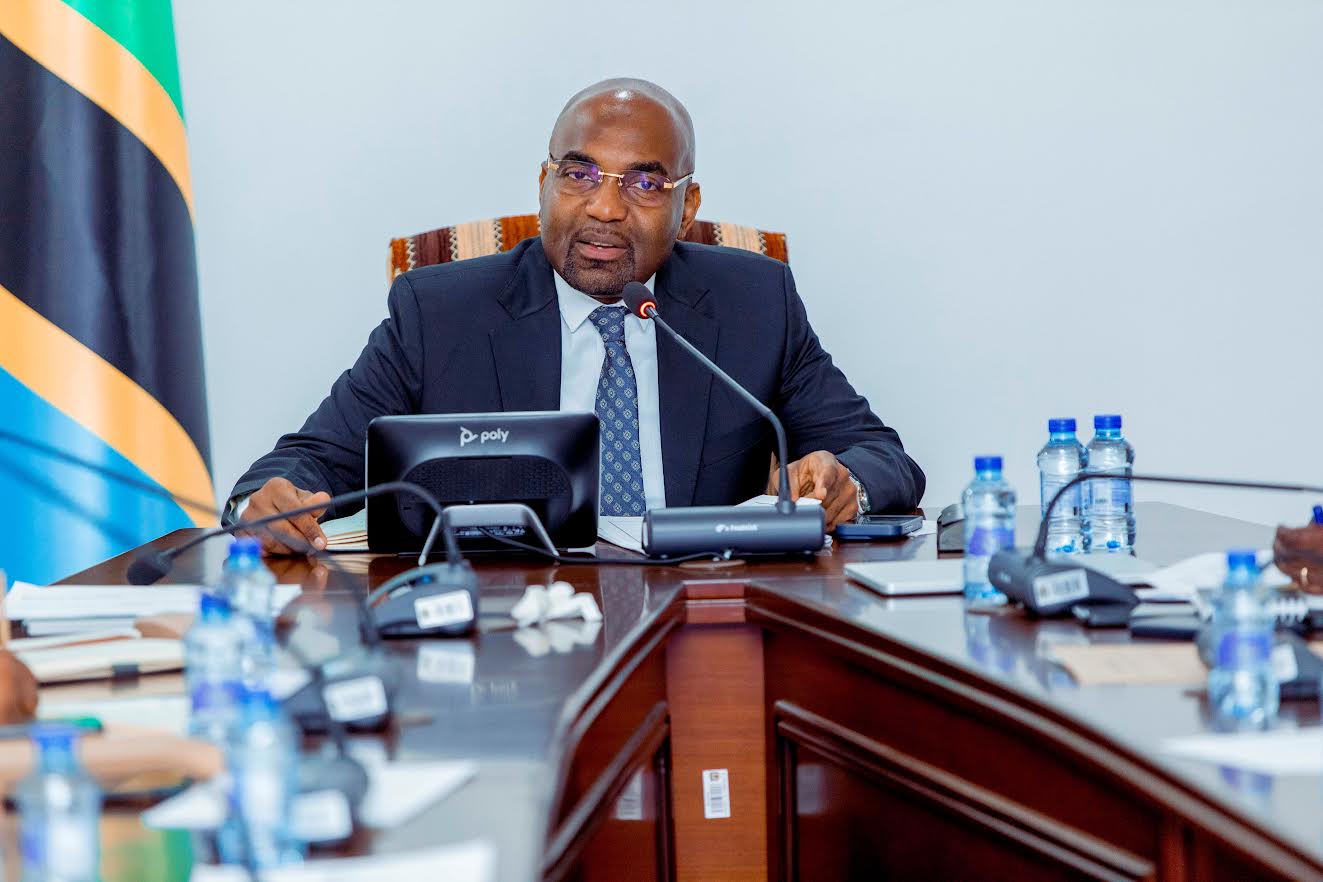
Addressing the Ministerial Session, the Chairperson of the EAC Sectoral Council of Ministers of Health, Dr Ayume Charles, from Uganda, emphasized that health challenges do not stop at national borders.
He underscored the importance of regional cooperation in strengthening preparedness, improving cross-border coordination and building resilient health systems.
“Health sovereignty is critical for the region and Africa as a whole. We must give greater attention to and invest in local manufacturing capacity across the continent to strengthen our ability to produce essential health products and reduce our dependence on external supply chains,” said Dr Ayume.
The EAC Secretary General, Stephen Mbundi, noted that the ongoing outbreaks had underscored the region’s vulnerability to public health emergencies and their impact on communities, economies, cross-border movement and regional integration.
He highlighted ongoing EAC support to preparedness and response, including the deployment of mobile laboratories, provision of personal protective equipment and essential supplies, and the training and deployment of frontline experts.
“We must sustain investment in surveillance, information sharing, rapid detection and coordinated response and health workforce capacity and also strengthen regional production of essential medicines, vaccines and other health products to reduce our dependence on external supply chains,” said Ambassador Mbundi.
The Council noted progress in the deployment of mobile laboratories, training of frontline health workers, provision of personal protective equipment and strengthening of surveillance and information sharing across Partner States.
The Ministers reviewed progress in the operationalization of the EAC Regional Centers of Excellence for higher medical and health sciences education, specialized health services and research, noting advances in specialist training, research, infrastructure development and service delivery, while emphasizing the need for sustainable financing, increased regional participation and resource mobilization.
The meeting also considered the proposed EAC Regional Centre of Excellence for Climate Change and Health to be hosted by the Republic of South Sudan, as well as resource mobilization for the newly established Regional Centers of Excellence for Transplant and Hematological Sciences and Oral Health Sciences in the United Republic of Tanzania.
The Sectoral Council emphasised the need to strengthen regional capacity to address communicable and non-communicable diseases, antimicrobial resistance, climate-related health threats and other emerging public health challenges, while advancing maternal, newborn, child and adolescent health and Universal Health Coverage.
The 26th Ordinary Meeting was attended by Ministers and Heads of Delegation from the EAC Partner States, representatives of the EAC Secretariat, the East African Health Research Commission, regional institutions and other relevant stakeholders.