
COP31: ‘35 by 35’ electrification goal is unrealistic for countries like India
In developing countries, access and affordability will shape how electricity can meet 35% of energy needs by 2035.
 Black News

The agenda for the Conference of Parties to the United Nations Framework Convention on Climate Change has grown into a long list: the mitigation work programme on cutting emissions, climate finance, which developed countries are obliged to provide for climate action in developing countries; the global goal on adaptation, for coping with climate impacts, and technology transfer and capacity-building to share clean technology and skills.
Yet every presidency seeks a signature commitment from participating countries. One year it was net-zero announcements, with countries pledging to balance their emissions with removals by a set date; another, the phase-down of coal and a transition away from fossil fuels. At COP31 where the convention’s nearly 200 member-countries meet in Antalya, Turkey, this week, it is electrification.
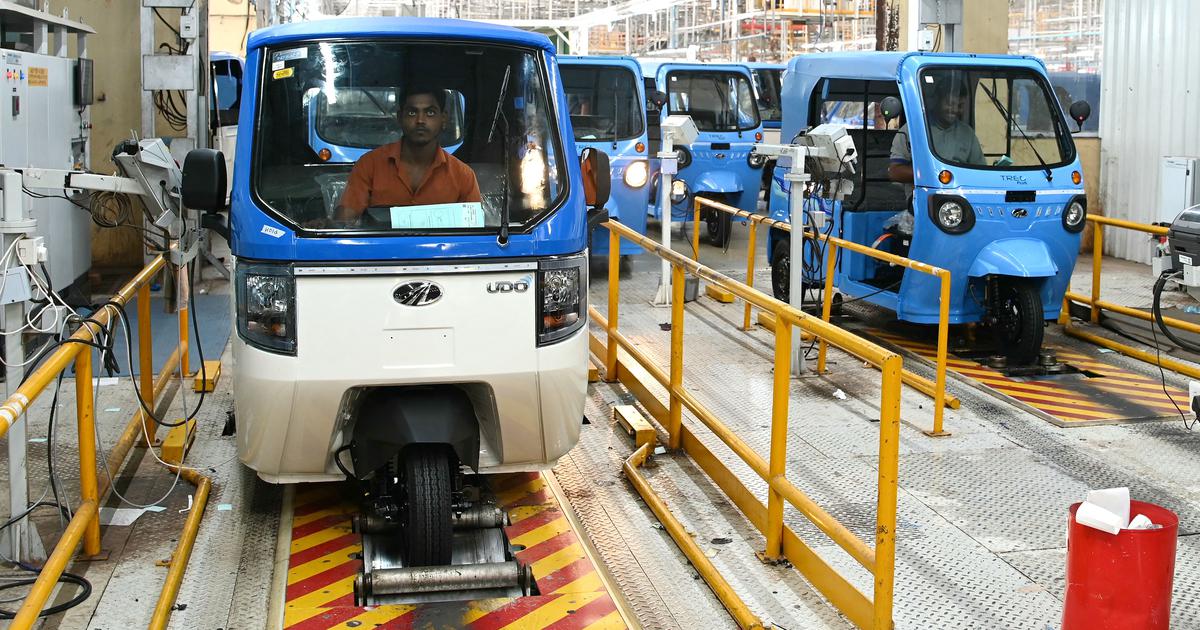
That means swapping out fossil fuels that burn directly at the end-use, such as petrol in cars or coal in factory boilers, for electricity. Less than one-quarter of final energy in use today is electric. Electrification means cleaner power grids and cutting emissions at the point of use.
The presidency, held by Turkey as host, with Australia steering the negotiations, wants countries to raise the share of electricity in global final energy use to 35% by 2035. As catchy as “35 by 35” sounds, three questions follow: does it matter,...