Choosing The Next UN Secretary-General Cannot Be Left To A Powerful Few
By Graça Machel\PassBlue Photos: Wikimedia Commons As the 193 member states of the United Nations prepare for the opening of the 81st General Assembly session in New York City in September, the topic on everyone’s lips will be who to choose as the next UN secretary-general. This choice will be one of the most consequential decisions the international community makes this decade. At a moment when war, impunity, geopolitical rivalry and distrust are eroding the foundations of multilateralism, the way this leader is chosen will reflect the legitimacy of the UN as much as the person ultimately appointed. Historically, the selection of a new secretary-general has been treated as the domain of the UN Security Council, especially its five permanent members, known as “the P5.” But the wording of the UN Charter is clear that while the Council should recommend a candidate, the appointment is made by the General Assembly. If the P5 propose an unsuitable candidate for reasons of realpolitik, the states of the General Assembly can and should reject them and insist that more suitable individuals be put forward. The concentration of such power in the hands of only five member states — Britain, China, France, Russia and the US — has never been consistent with the democratic spirit of multilateralism. It is particularly indefensible today, when two permanent members, Russia and the US, have recently breached the Charter through launching unilateral wars of aggression. As an African woman who fought in my country’s liberation struggle and has spent decades working for peace, justice and human dignity, I find it profoundly troubling that the UN still reflects, at its uppermost levels of the Security Council, the power hierarchies of 1945 and the colonial era. Read this article on PassBlue.com
 Black News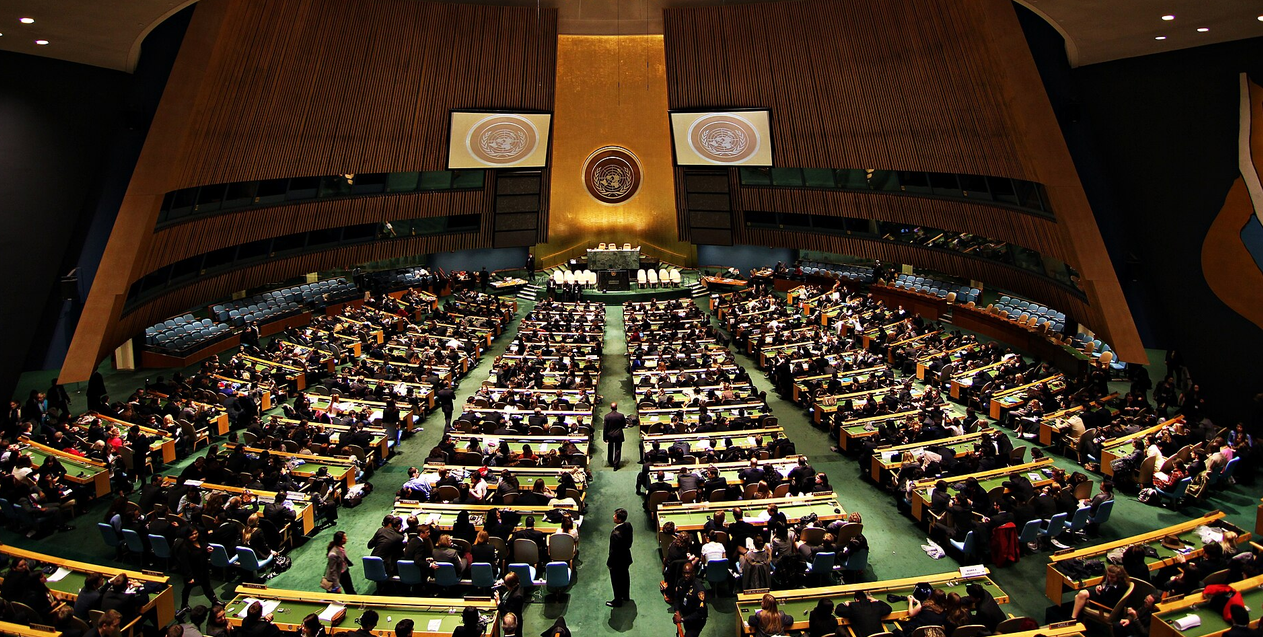

By Graça Machel\PassBlue
Photos: Wikimedia Commons
As the 193 member states of the United Nations prepare for the opening of the 81st General Assembly session in New York City in September, the topic on everyone’s lips will be who to choose as the next UN secretary-general.

This choice will be one of the most consequential decisions the international community makes this decade. At a moment when war, impunity, geopolitical rivalry and distrust are eroding the foundations of multilateralism, the way this leader is chosen will reflect the legitimacy of the UN as much as the person ultimately appointed.
Historically, the selection of a new secretary-general has been treated as the domain of the UN Security Council, especially its five permanent members, known as “the P5.” But the wording of the UN Charter is clear that while the Council should recommend a candidate, the appointment is made by the General Assembly. If the P5 propose an unsuitable candidate for reasons of realpolitik, the states of the General Assembly can and should reject them and insist that more suitable individuals be put forward.
The concentration of such power in the hands of only five member states — Britain, China, France, Russia and the US — has never been consistent with the democratic spirit of multilateralism. It is particularly indefensible today, when two permanent members, Russia and the US, have recently breached the Charter through launching unilateral wars of aggression.
As an African woman who fought in my country’s liberation struggle and has spent decades working for peace, justice and human dignity, I find it profoundly troubling that the UN still reflects, at its uppermost levels of the Security Council, the power hierarchies of 1945 and the colonial era. Read this article on PassBlue.com