Britain’s future is back in the EU
Aaron Asadi, CEO of Enterprise Nation, argues that Friday's UK-EU trade deal is a welcome step - but that small businesses need the government to go further and commit to a genuine reset of Britain's relationship with Europe The post Britain’s future is back in the EU appeared first on Elite Business Magazine.
 Black News
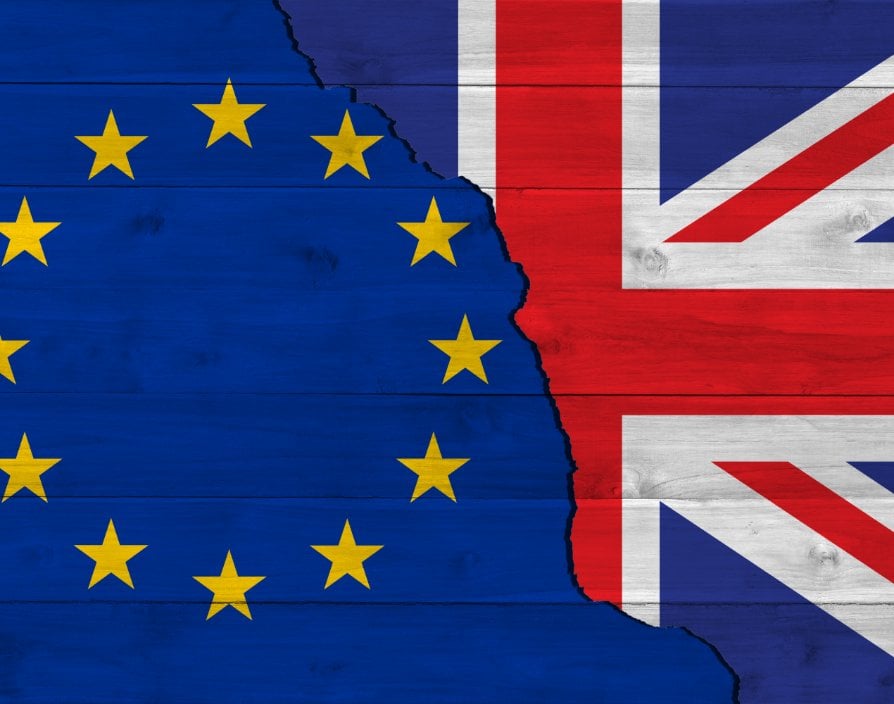
It is time to scoop out the ash from 2016’s firepit and light fresh kindling. Of course, this was always going to happen – Brexit is and was a very stupid thing to do.
Perhaps on some misguided emotional level, Brexit is understandable. Words like “sovereignty” and “control” – or “suverenitet” and “kontrol” as some Brexit supporters pronounce them – are quite potent. But on pure commercial terms – as an idea for business and trade – Brexit is and was very stupid.
And especially for UK small businesses.
The toll bridge on the road to Europe
The LSE’s Centre for Economic Performance found that around 16,400 firms – one in seven of those that sold goods to the EU – stopped doing so after the trade deal came in. Almost all were small. And the smallest firms that kept going saw the value of their EU exports fall by around 30%.
The reason is simple. Brexit put a toll bridge on the road to Europe: certificates, customs forms, VAT registrations, labelling rules. A large manufacturer might spread that toll across thousands of shipments. A cheesemaker sending a few pallets a year, or a maker selling online to customers in Lyon and Lisbon, cannot.
A heavyweight right hook in slow motion, Brexit is still mid-clobber. This year, the Federation of Small Businesses found that 34% of small exporters expect to cut back or stop trading with the EU if nothing changes. A measly 6% see room to grow. Among the 250,000+ small businesses in the Enterprise Nation community, we hear the same story: ambition is not the problem. Paperwork is.
It is almost as if – and hear me out – being part of the world’s largest single market is a good idea, and that maybe – just maybe – having independent trade deals with far-off countries you could already trade with on similar terms doesn’t do a bloody thing to help. Who knew?
The reset and what comes next
Burnham’s reset is a step in the right direction. Scrapping export health certificates, which can cost up to £200 each, matters to a small food producer. But it covers one sector. The baker is helped; the bike-parts maker, the skincare brand, and the design consultancy are not.
Of course, it is not just about the direct harm inflicted on the UK’s Brexit-and-battered small businesses. The whole economy is still winded. So fewer pounds in pockets and all that.
Yes, yes, yes – the economy grew 0.7% in the third quarter and that was faster than the EU’s spurt. But one good year does not make up for a lost decade.
Since we formally left the EU at the start of 2020, UK output per person has grown by less than 2%. Across the EU it has grown by around 7%, and in France by nearly 4%. A major study by economists at Stanford and the Bank of England estimates that by 2025, Brexit had left UK GDP per person 6 – 8% lower than it would otherwise have been, and business investment 12 – 18% lower. Even on total growth, we trail the EU average.
On top of that, the Centre for European Reform finds our exports to the EU are 12% lower, and that leaving the single market, not the customs union, accounts for most of that.
That matters for what comes next. Government estimates put the gains from the deals signed on Friday at around 0.4% of GDP. That is worth having, but it is a fraction of what has been lost. It is like fixing one lane of a motorway, imposing a 40mph limit, and keeping the other lanes coned off.
So we want the government to build on Friday, not stop there.
We believe Britain’s future is back in the EU, on terms that work for small businesses. Over the coming months, Enterprise Nation will set out those terms with our members, and take them to government.
Friday was a brave and welcome step. Let us make sure it is the first of many.
Key takeaways
- The LSE’s Centre for Economic Performance found that around 16,400 firms – one in seven of those that sold goods to the EU – stopped doing so after the trade deal came in, almost all of them small, while the smallest firms that kept going saw the value of their EU exports fall by around 30%.
- Brexit put a toll bridge on the road to Europe – certificates, customs forms, VAT registrations and labelling rules – which a large manufacturer can spread across thousands of shipments but a small business sending a few pallets a year cannot.
- This year the Federation of Small Businesses found that 34% of small exporters expect to cut back or stop trading with the EU if nothing changes, while only 6% see room to grow.
- Since leaving the EU at the start of 2020, UK output per person has grown by less than 2%, against around 7% across the EU, and the Centre for European Reform finds UK exports to the EU are 12% lower, mostly because of leaving the single market.
- Government estimates put the gains from Friday’s deals at around 0.4% of GDP – a fraction of what has been lost – so Enterprise Nation wants the government to build on the deal and believes Britain’s future is back in the EU, on terms that work for small businesses.
The post Britain’s future is back in the EU appeared first on Elite Business Magazine.