

Brexit at 10: A decade of change for trade
Ten years after the Brexit referendum, Arne Mielken examines how new trade rules have reshaped UK-EU commerce and what businesses should prepare for ahead of the 2026 Trade and Cooperation Agreement review The post Brexit at 10: A decade of change for trade appeared first on Elite Business Magazine.
 Black News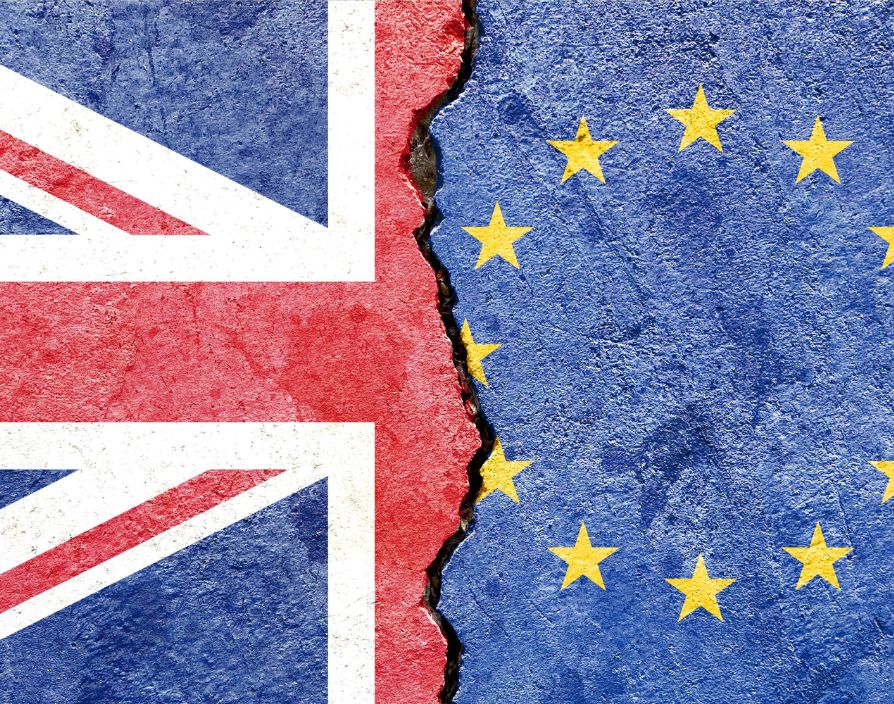
Why was Brexit a big deal?
The 23 June 2016 vote ended more than four decades of United Kingdom membership in the European Union and triggered a fundamental re‑orientation of trade policy. Voters split 52 percent to 48 percent, but the long‑term impact on customs, logistics and supply chains exceeded most expectations.
What changed after Brexit?
When the United Kingdom left the European Union on 31 January 2020, the seamless flow of goods across the border was replaced by a series of new requirements. Companies now submit customs declarations, comply with rules of origin, adjust VAT treatment, manage border formalities, adhere to sanitary and phytosanitary controls and maintain detailed records. The shift transformed trade with the EU from a domestic‑like activity to full‑scale international commerce.
The Trade and Cooperation Agreement
Effective in 2021, the Trade and Cooperation Agreement removed tariffs and quotas on most goods but introduced a conditional preferential regime. Traders must prove origin, provide supplier declarations and meet customs valuation standards. Zero tariffs therefore did not translate into zero complexity.
Lessons for businesses
The past decade has shown that preparation matters more than prediction. Firms that invested in compliance systems, diversified supply chains and maintained transparent documentation have navigated disruptions more successfully. As the 2026 review approaches, the ability to adapt to evolving regulatory details will remain a critical competitive advantage.
The post Brexit at 10: A decade of change for trade appeared first on Elite Business Magazine.