After years of regulatory hurdles, Elon Musk's Starlink moves closer to South African market
Elon Musk's Starlink is taking another step towards entering South Africa, nearly four years after the satellite internet company first became entangled in the country's ownership and telecommunications rules.
 Black News

Elon Musk's Starlink is taking another step towards entering South Africa, nearly four years after the satellite internet company first became entangled in the country's ownership and telecommunications rules.
- Starlink is pushing to enter South Africa after years of regulatory and political delays related to ownership and telecommunications rules.
- SpaceX is now actively engaging with South Africa's regulator ICASA to clarify how licensing and ownership requirements apply to satellite operators.
- The main barrier has been South Africa's B-BBEE rules, which require 30% local equity, a condition SpaceX has opposed.
- Political tensions, fueled by Elon Musk's criticism of South African policies and diplomatic disputes involving the US, have complicated the issue.
The latest development is significant because SpaceX is no longer simply arguing that South Africa's rules are preventing Starlink from operating.
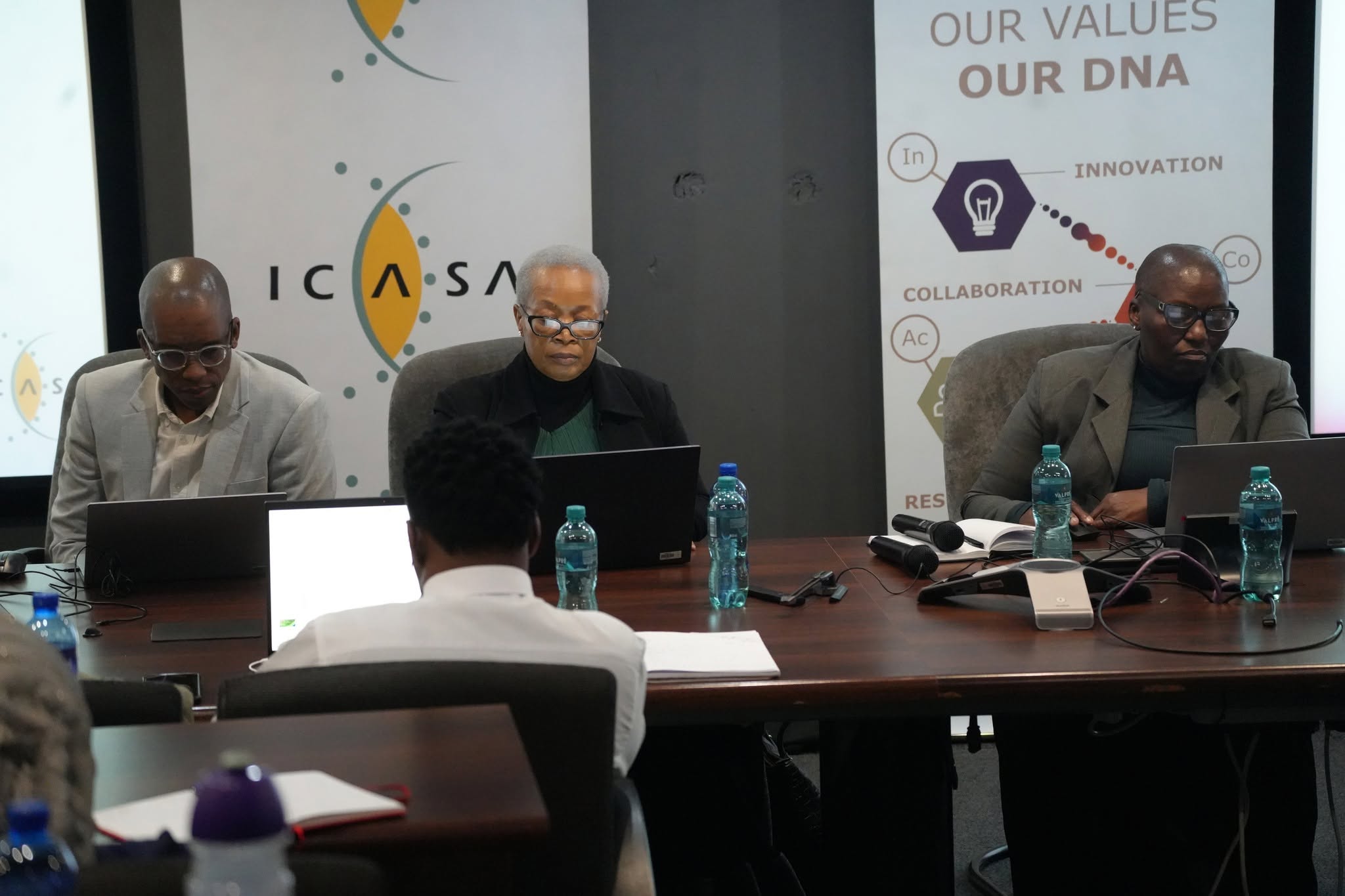
Its senior director for market access and development, Ryan Goodnight, recently appeared before the Independent Communications Authority of South Africa (ICASA), pressing the regulator to clarify how its ownership, licensing and spectrum rules would apply to satellite operators.
DON'T MISS THIS: South Africa’s Starlink dispute deepens as minister rejects claims of policy influence
That comes after Starlink's rapid expansion across the rest of Africa.
Nigeria became its first African market in January 2023, followed by Rwanda, Mozambique, Kenya, Malawi and Zambia that year. By mid-2026, Starlink was operating in more than two dozen African markets, while South Africa remained one of the continent’s largest markets without the service.
Why South Africa has been different
The biggest obstacle has been South Africa's Broad-Based Black Economic Empowerment (B-BBEE) framework and related telecommunications ownership requirements.
Foreign companies seeking certain communications licences have faced a requirement to have at least 30% local equity held by historically disadvantaged South Africans. SpaceX has argued against having to surrender such an equity stake in its South African operation.
The dispute became part of a much bigger political argument between Musk and his country of birth.
Musk has repeatedly criticised South Africa's empowerment policies, calling the ownership requirements discriminatory. He has also attacked the country's Expropriation Act, which allows land to be expropriated in specific circumstances in the public interest as part of efforts to address the country's deep apartheid-era land inequality.
DON'T MISS THIS: Elon Musk told to ‘move on’ from South Africa as Starlink faces resistance in Namibia
Those arguments became entangled with Musk's increasingly close relationship with US President Donald Trump. Trump subsequently attacked South Africa over its land policies and announced punitive measures against the country, while Musk amplified claims about discrimination against white South Africans.
South Africa rejected the characterisation, arguing that the land law does not amount to arbitrary confiscation.
The dispute therefore moved beyond Starlink's licence. It became part of a broader deterioration in relations between Washington and Pretoria, with trade also becoming contentious after the Trump administration imposed a 30% tariff on South African imports in 2025.
Pretoria disputed the basis for the tariff, saying the average tariff applied to US goods entering South Africa was significantly lower.
A door is now opening
South Africa has since tried to make the ownership framework more flexible.
In December 2025, Communications Minister Solly Malatsi introduced a policy allowing foreign-owned communications companies to use equity-equivalent investment programmes to meet empowerment objectives instead of necessarily transferring 30% of their local equity to qualifying shareholders.
DON'T MISS THIS: Barred in South Africa for ‘not being black’, Starlink enters predominantly black Senegal
Investments in areas such as digital infrastructure and skills development can count towards the requirement. That change potentially gives Starlink a route into the market without giving up the conventional 30% stake.
But the company is still negotiating the details.
At the latest ICASA hearings, SpaceX asked for clarity on the ownership requirement while also seeking blanket licences for fleets of terminals, lower gateway licensing costs, wider Ku-band access for aircraft and ships, and licence terms of at least 10 years.
The latest engagement therefore represents more than another argument over B-BBEE. After years of political and regulatory friction, Musk's Starlink is now trying to turn a potential opening in South Africa's rules into an actual licence and commercial launch.