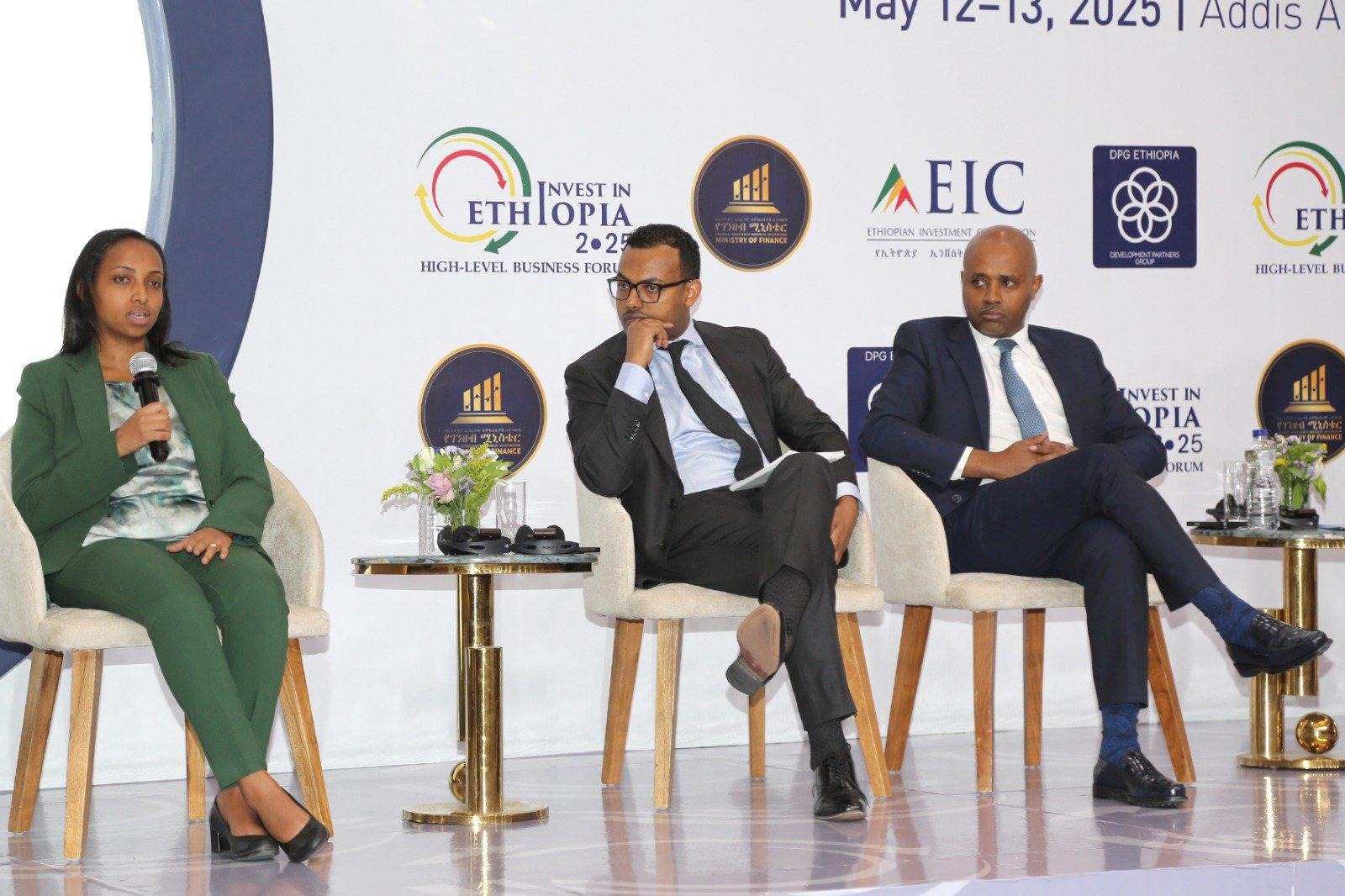
African Regional Summits: Turning Continental Ambition into Real Investment
Regional summits are becoming far more than occasions for announcements. They bring governments, investors, entrepreneurs and development institutions together to identify promising projects, shape the policies that support them and.
 Black News

Regional summits are becoming far more than occasions for announcements. They bring governments, investors, entrepreneurs and development institutions together to identify promising projects, shape the policies that support them and connect capital with businesses that need it.
Summits such as Moonshot by TechCabal and the Global Africa Business Initiative’s Unstoppable Africa are convening platforms, not substitutes for governments or formal trade agreements. Their importance for Africa lies in whether they help turn continental integration into practical outcomes: lower cross-border trade costs, stronger digital infrastructure, climate-resilient enterprises and financing that reaches local businesses.
READ ALSO: Nigeria’s West African Capital Market Proposal: Unlocking Cross-Border Investment
The measure of success is not the number of panels held, but whether a trader can move goods and receive payment across borders with less delay, cost and uncertainty.
The integration gap remains substantial. Intra-African trade accounts for approximately 16% of the continent’s total trade, according to UN Trade and Development (UNCTAD). Afreximbank’s African Trade and Economic Outlook 2026 projected that intra-African trade could grow by 10% in 2026 to approximately US$230 billion. While this points to expanding commercial activity, the proportion of trade conducted within the continent remains relatively low compared with other major regions.
The African Continental Free Trade Area (AfCFTA) has 54 signatories, with 50 countries having deposited their instruments of ratification as of September 2026, following Somalia’s ratification on 4 September. However, formal membership does not automatically make trade seamless. Businesses still require predictable customs procedures, compatible product standards, efficient border infrastructure and affordable payment systems to benefit from the agreement.
Digital infrastructure is increasingly becoming trade infrastructure. Digital identity systems can help verify customers and businesses, interoperable payment platforms can reduce settlement difficulties, while reliable connectivity allows firms to identify suppliers and manage logistics. However, digital transformation requires practical agreements on which systems should communicate, how data can be shared securely, how privacy is protected and who is responsible for maintaining the infrastructure. Without such coordination, countries risk developing disconnected platforms that reproduce the fragmentation regional integration is intended to overcome.
Moonshot by TechCabal’s 2026 edition, held in Lagos on 28 and 29 October, brought these issues into focus through discussions on technology, investment, trade, policy and climate innovation. Its programme included dedicated tracks on future commerce, government and regulation, investor engagement, clean technology and the creative economy. The emphasis on technology developed for African markets is important because local businesses operate within conditions that imported business models may not adequately address, including uneven connectivity, fragmented regulation and limited access to finance. Homegrown solutions can respond more effectively to these realities, but still require investment, skilled workers, dependable infrastructure and paying customers to scale.
Summits can connect entrepreneurs with investors and policymakers, but meetings are only an early stage of the financing process. A credible investment pathway requires clear project plans, transparent procurement, appropriate risk-sharing arrangements and follow-up systems that distinguish between funding pledged, committed and actually disbursed. This is particularly important for small and medium-sized enterprises that often lack the scale or collateral required to attract conventional financing, even when their businesses provide valuable services. Forums can help connect these enterprises with financial institutions and encourage suitable products, including working-capital loans, trade finance and local-currency funding.
The Global Africa Business Initiative’s Unstoppable Africa 2026, held in New York on 20 and 21 September, was organised around five strategic areas: Energy, Digital Transformation, Trade, Creative Industries and Sport. Convened alongside the 81st United Nations General Assembly, the event brought together business leaders, investors, policymakers and development institutions to advance Africa’s investment and trade priorities. Its approach reflects an effort to connect private-sector participation with defined economic priorities rather than treating investment as a general aspiration. The key test is whether these discussions produce bankable projects, cross-border partnerships and measurable commitments, supported by public information on finance mobilised, projects launched, businesses supported and jobs created.
Climate investment must also reach the real economy. Discussions on renewable energy, climate-smart agriculture and sustainable supply chains can direct capital towards sectors with direct economic relevance. However, climate finance can remain distant from the businesses and communities expected to deliver change. Regional forums should connect investors with local project developers, clarify project risks and expected benefits, and prioritise solutions that can be maintained and expanded beyond initial pilot stages.
Africa’s venture capital ecosystem also offers evidence of the importance of connecting local enterprises with investment. According to the African Private Capital Association’s 2025 Venture Capital in Africa Report, startups across the continent recorded 506 venture deals, involving a combined US$3.9 billion in equity and debt. Venture debt accounted for US$1.8 billion, an increase of 91% from the previous year. The report also found that African investors accounted for 45% of venture capital fundraising commitments in 2025, up from an average of 23% between 2022 and 2024.
These figures point to a changing financing landscape, with greater participation from African capital providers and an expanding role for venture debt. They also underline the need for investment forums to connect promising businesses with appropriate sources of finance. However, the increase in deal value should not be mistaken for broad access to funding, particularly for smaller enterprises and businesses operating outside established technology hubs.
Regional investment forums are most useful when they create continuity between discussion and delivery. Governments and organisers can strengthen this connection by publishing specific, measurable commitments, identifying the institutions responsible for implementation and setting clear deadlines. They should also report funding pledged separately from funding disbursed, involve local businesses and communities in project design, coordinate across borders where shared systems can lower costs, and assess outcomes through indicators such as trade costs, business financing, connectivity and employment.
The enduring measure of success is straightforward: whether these forums help make it easier for African businesses to trade across borders, develop useful technology, secure investment and expand sustainably. Continental ambition becomes economically meaningful when the agreements and partnerships formed at regional gatherings translate into opportunities that businesses and communities can see and use.