

The Cost of Capital: Redefining Africa’s Global Opportunity
According to the African Development Bank, African economies face commercial borrowing rates that are four times higher than those in the United States and twelve times higher than those in Germany. In international capital markets, the gap is even wider. African countries pay up to five times more in interest than they would through multilateral […] The post The Cost of Capital: Redefining Africa’s Global Opportunity appeared first on Time Africa.
 Black News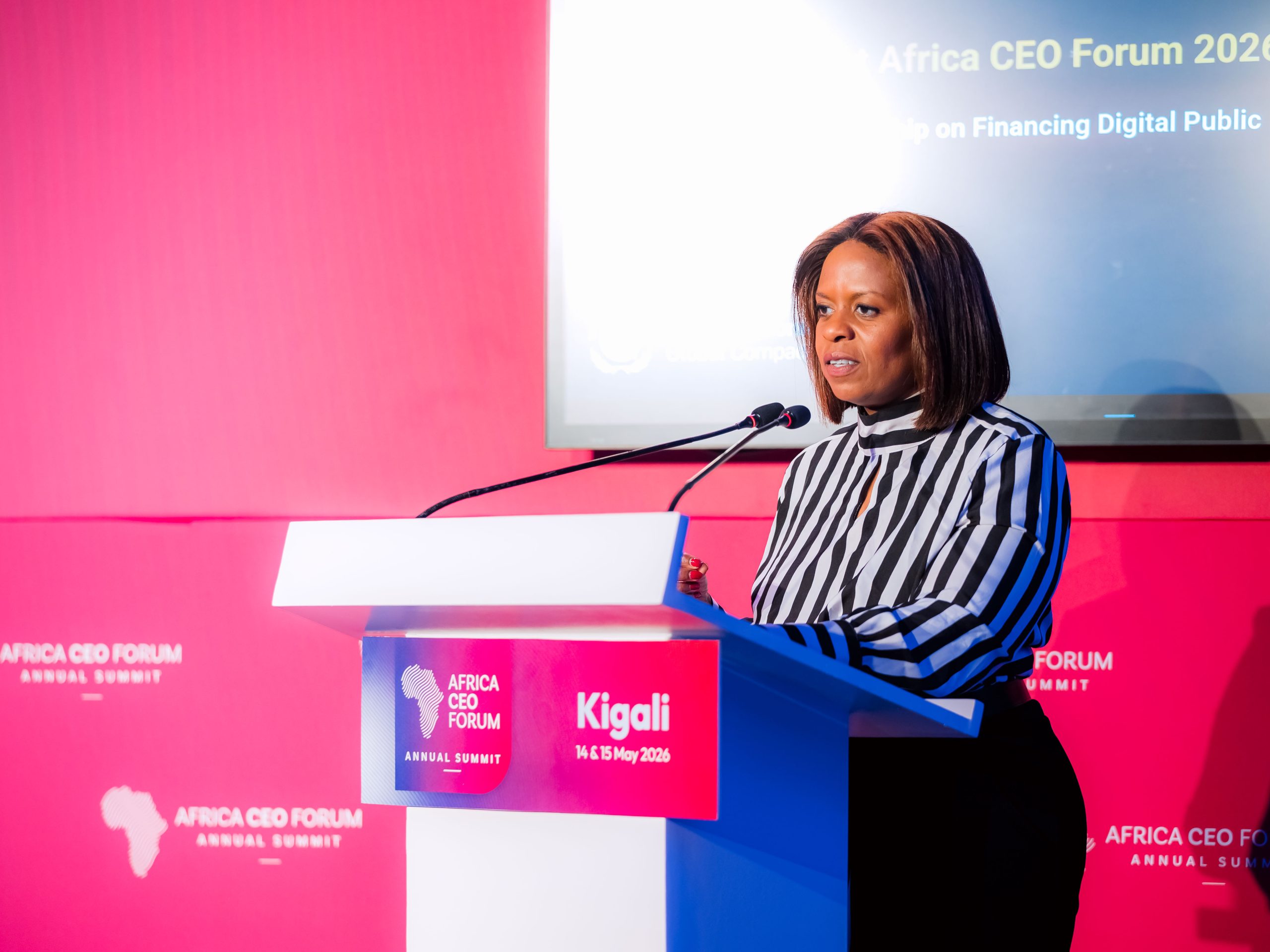
According to the African Development Bank, African economies face commercial borrowing rates that are four times higher than those in the United States and twelve times higher than those in Germany. In international capital markets, the gap is even wider. African countries pay up to five times more in interest than they would through multilateral institutions like the World Bank or the AfDB. This has a significant economic effect. Capital at this price does not support growth; it limits it. Investment slows, infrastructure issues escalate, and the divide between Africa’s potential and its actual output continues to widen. This results from access to and the cost of capital., overlaid with risk ratings.
However, the response to this issue is changing, and it is coming from within. During my recent visit to Kigali, I noticed a shift in the conversation. At the Africa CEO Forum and the Global Africa Business Initiative’s (GABI) Solutions Lab, African CEOs and policymakers are no longer waiting for better external conditions or for global capital to regain confidence. They are creating the conditions for growth themselves.
For too long, Africa’s access to capital has been a challenge. High perceived risk kept investments away, and without investment, businesses and projects could not grow enough to lower that risk. What has changed is not an adjustment in global capital markets. The change is that African leaders are no longer standing by for those adjustments.
The continent boasts many successful models and viable business opportunities. The real barrier to growth is the ongoing gap between successful pilot projects and the financing needed for full-scale implementation. But this gap is different from those seen in the last decade. It is not about whether markets exist or whether solutions are effective. It is about whether the right financing structures, policy conditions, and collaboration can be put together quickly enough to seize the moment. That is the key challenge of this time, and it is what GABI aims to tackle.
At GABI’s Solutions Lab in Kigali during the Africa CEO Forum, senior leaders from Afreximbank, Ecobank, Safaricom, McKinsey, ServiceNow, and the United Nations discussed this issue, among other organisations. They explored the conditions necessary to make sovereign digital infrastructure fundable in local markets. They examined how AI can act as a multiplier for development, despite limitations in connectivity, skills, and governance. They pushed each other to find ways to shorten the timelines for adopting solutions that have already been tested and validated.
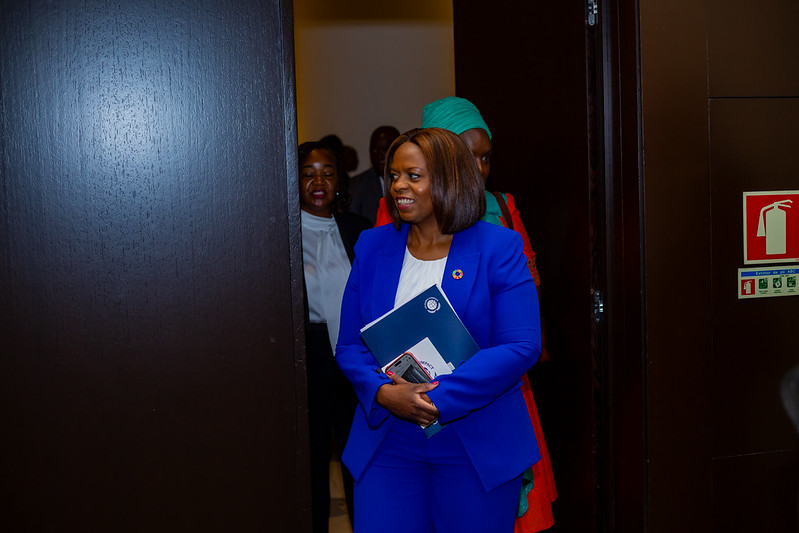
Speaking at GABI’s premier conference Unstoppable Africa 2025, Alan Ebobissé, CEO of Africa 50, stressed that “Africans need to drive investments; Africans need to be in the driving seat.” Ebobissé stated that we are seeing significant movement on the ground. But more funding needs to be raised from within Africa. “Whatever we do needs to be guided by execution and skill.”
Africa’s risk profile has not suddenly shifted. The so‑called prejudice premium has long distorted investors’ perceptions. The challenge now is to move beyond outdated biases and deliver strong implementation plans that prove fundamentals alone are not enough.
What GABI is building
GABI is an ongoing platform that connects capital providers with businesses that know how to use capital effectively. GABI is a premier, solution-oriented global platform where the private sector, governments, investors, and philanthropy converge to amplify and accelerate Africa’s business, trade, and investment opportunities for the continent and the world. GABI’s Action Pathways on Digital Transformation and Health, launched at Unstoppable Africa in September 2025 and expanded further in Kigali, aim to turn ambition into investable partnerships and transform policy commitments into real actions.
This work will continue throughout 2026. Action Pathways will grow, cross-sector partnerships will strengthen, and new investment opportunities will be structured, reduced in risk, and prepared for expansion. These efforts feed into GABI’s Unstoppable Africa 2026 conference in New York, where Africa’s economic transformation will be presented to investors and institutions ready to fast-track it.
Why the global moment amplifies African urgency
The global macroeconomic environment supports this shift. Global supply chains are changing, development finance is becoming stricter, and geopolitical changes are opening up opportunities for economies that have developed their own productive capabilities. Those countries and companies that are best positioned to benefit are the ones that established necessary systems, standards, and institutions before these changes occurred.
Africa’s young population, rich resources, growing middle class, and digital progress are significant factors. What is needed now is coordinated capital, technology implementation, governance, and cross-sector partnerships, which no single player can create alone.
Africa is no longer looking for validation. It seeks committed partners ready to address its specific needs. The opportunity is pressing, and the world must respond with equal urgency.
Sanda Ojiambo is the Assistant Secretary-General and Executive Director of the UN Global Compact . She leads the delivery of the Global Africa Business Initiative (GABI).
The post The Cost of Capital: Redefining Africa’s Global Opportunity appeared first on Time Africa.