Tanzania targets Malawi, Zambia and DRC trade with Mtwara Port expansion
Tanzania is expanding Mtwara Port as it seeks a larger share of the cargo moving between the Indian Ocean and markets across southern and central Africa.
 Black News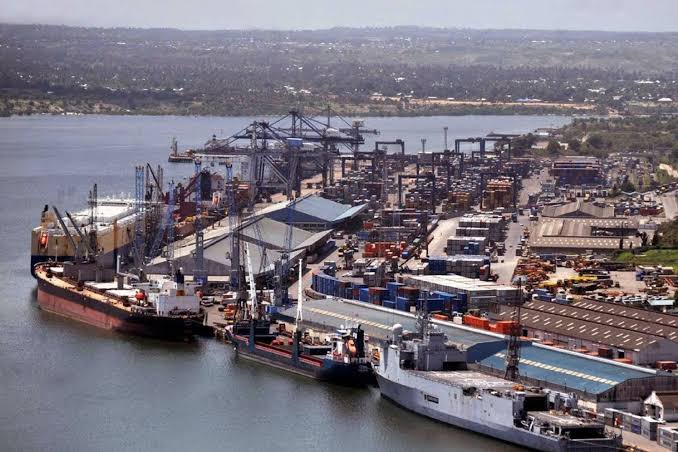

![Tanzania is constructing a 300-metre, 15-metre-deep berth near Mtwara Port to handle cement, coal and other bulk cargo. [The Citizen Tanzania]](https://ocdn.eu/pulscms/MDA_/d01562132b6e76e2b9c9f2dacde27556.jpg)
Tanzania is expanding Mtwara Port as it seeks a larger share of the cargo moving between the Indian Ocean and markets across southern and central Africa.
- Tanzania is constructing a new 300-metre berth near Mtwara Port to handle cement, coal and other bulk cargo.
- The 15-metre-deep facility is 44% complete and is expected to be finished in 2027.
- Cargo handled at Mtwara increased from about 592,000 tonnes in 2021/22 to 2.58 million tonnes in 2024/25.
- Tanzania wants the southern port to attract more regional trade and reduce its dependence on Dar es Salaam.
A new 300-metre berth is being constructed at Kisiwa Mpangawe, also known as Kisiwa Mgao, near the southern port. The facility will have a depth of 15 metres, enabling it to receive larger vessels carrying cement, coal and other bulk commodities.
Construction has reached 44% and is expected to be completed in 2027, The Citizen reported, citing Mtwara’s acting port manager, Hekima Ngezi.
The adjoining cargo area will have capacity for approximately 100,000 tonnes. Authorities expect the specialised facility to separate dusty bulk commodities from other traffic handled at the main port.
The project is part of Tanzania’s attempt to turn Mtwara from a largely domestic and seasonal port into a regional gateway serving Malawi, Mozambique, Zambia, Zimbabwe and parts of the Democratic Republic of Congo.
Mtwara already handles fuel, cement, coal, cashew nuts, pigeon peas, vehicles and equipment for major construction projects.
DON'T MISS THIS: Tanzania enjoys some economic recovery via its ports performances
Between February and August 2026, it received 23 vessels and processed 6,390 vehicles, according to figures provided by the port manager. Some of the vehicles were destined for neighbouring and landlocked African markets.
Mtwara’s cargo volumes have more than quadrupled
The latest construction follows earlier investments that added a 300-metre berth, cargo yards, warehouses and modern handling equipment at Mtwara.
Those improvements have been accompanied by a sharp increase in traffic.
Cargo throughput rose from about 592,000 tonnes in the 2021/22 financial year to 2.58 million tonnes in 2024/25, according to figures previously disclosed by Tanzanian port authorities.
That means the volume handled at Mtwara more than quadrupled within three years.
The port was established in 1950 and originally supported Britain’s failed groundnut production scheme in southern Tanganyika. It later became heavily dependent on seasonal exports, particularly cashew nuts.
Its cargo base has since widened. Cement produced by Dangote Cement’s Mtwara plant is shipped through the port to Zanzibar, Comoros and Mozambique. Coal, fuel, agricultural commodities, vehicles and machinery have also become important sources of traffic.
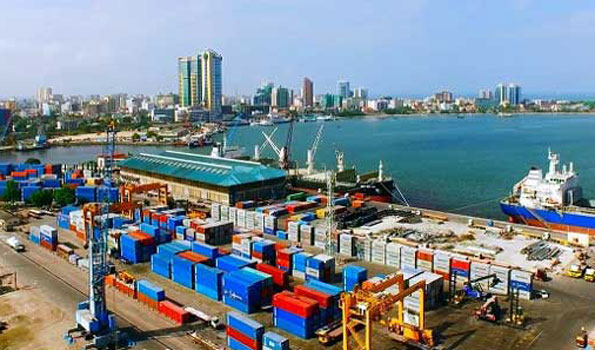
The shift is important for Tanzania because Dar es Salaam remains overwhelmingly dominant. The Tanzania Ports Authority says the country’s main port handles about 95% of its international maritime trade and serves Zambia, the DRC, Burundi, Rwanda, Malawi, Uganda and Zimbabwe.
Mtwara offers Tanzania another route into some of those markets while placing a major port closer to the country’s southern agricultural, mining, cement and gas-producing regions.
DON'T MISS THIS: From cement to catalyst: How Tanzania turned Dangote’s investment into a development blueprint
A regional corridor that has taken decades to develop
Tanzania’s plans for Mtwara extend beyond the port itself. The facility anchors the Mtwara Development Corridor, an infrastructure and trade initiative involving Tanzania, Malawi, Mozambique and Zambia.
The corridor was proposed in the late 1990s and formally launched by the four countries in 2004. It was designed to connect Mtwara on the Indian Ocean with southern Tanzania, northern Mozambique, Lake Malawi and eastern Zambia through roads, ports, bridges and proposed railway links.
DON'T MISS THIS: Africa’s richest man picks Tanzania for next wave of power, fertiliser and transport investments
One of its main routes runs for about 800 kilometres from Mtwara through Lindi and Ruvuma to Mbamba Bay on the Tanzanian side of Lake Malawi.
The African Development Bank has helped finance sections of the road network, describing the corridor as a route with the potential to open access to agricultural areas and natural resources between Mtwara and Mbamba Bay.
The corridor is also expected to support Tanzania’s coal and iron ore deposits around Mchuchuma and Liganga. However, several large industrial and railway projects proposed for the region have faced years of delay.
This leaves Mtwara dependent mainly on roads, meaning a bigger port alone will not guarantee a significant shift in regional trade.
To attract sustained transit cargo, Tanzania will also need reliable road connections, competitive charges, efficient border procedures and regular shipping services.
Tanzania invests across its coastline
The Mtwara expansion is part of a wider government push to increase the capacity of Tanzania’s ports.
The country’s three main seaports, Dar es Salaam, Tanga and Mtwara, handled approximately 35.59 million tonnes of imports and exports in 2025, up from 28.08 million tonnes in 2024, according to government data.
Dar es Salaam accounted for most of that traffic. The port handled 27.7 million tonnes in the 2024/25 financial year, up from 23.69 million tonnes a year earlier.
DP World has operated part of Dar es Salaam under a 30-year concession since April 2024. The Dubai-based logistics company committed an initial investment of more than $250 million, which could rise to $1 billion over the concession period.
It has now awarded Egypt’s EDECS Group a contract to redevelop seven operational yards at Terminal 1. That project is separate from the state-led construction at Mtwara.
DP World said in July that discharge times for comparable vehicle cargo at Dar es Salaam had fallen from more than 300 hours to less than 28 hours since it began operations. These are company figures and have not been independently verified.
The expansion of both ports shows that Tanzania is pursuing two related goals: improving Dar es Salaam’s ability to handle rising cargo volumes while developing Mtwara as an alternative for the country’s southern regions and nearby African markets.
However, Mtwara will also compete with established routes through Mozambique’s ports, including Nacala and Beira, as well as Tanzania’s own Dar es Salaam corridor.
Its deeper berth and growing cargo volumes give it more capacity to compete, but the commercial test will be whether importers and exporters find the full route faster and cheaper than the available alternatives.