Return to ‘outlawed’ system grounds local hauliers
Malawian hauliers have grounded their trucks following the return to an outlawed fuel procurement arrangement in a development that raises fresh questions regarding efforts to end the prolonged fuel scarcity. Transporters Association of Malawi (TAM) yesterday said that all locally-registered fuel tankers are currently grounded because importers are using the Delivery Duty Unpaid (DDU), an … The post Return to ‘outlawed’ system grounds local hauliers appeared first on Nation Online.
 Black News
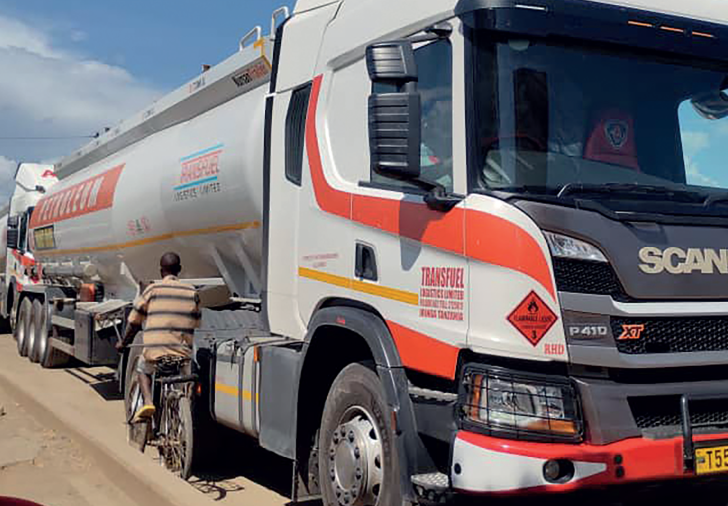
Malawian hauliers have grounded their trucks following the return to an outlawed fuel procurement arrangement in a development that raises fresh questions regarding efforts to end the prolonged fuel scarcity.
Transporters Association of Malawi (TAM) yesterday said that all locally-registered fuel tankers are currently grounded because importers are using the Delivery Duty Unpaid (DDU), an arrangement the High Court of Malawi Commercial Division outlawed in 2024 for disadvantaging Malawian transporters.
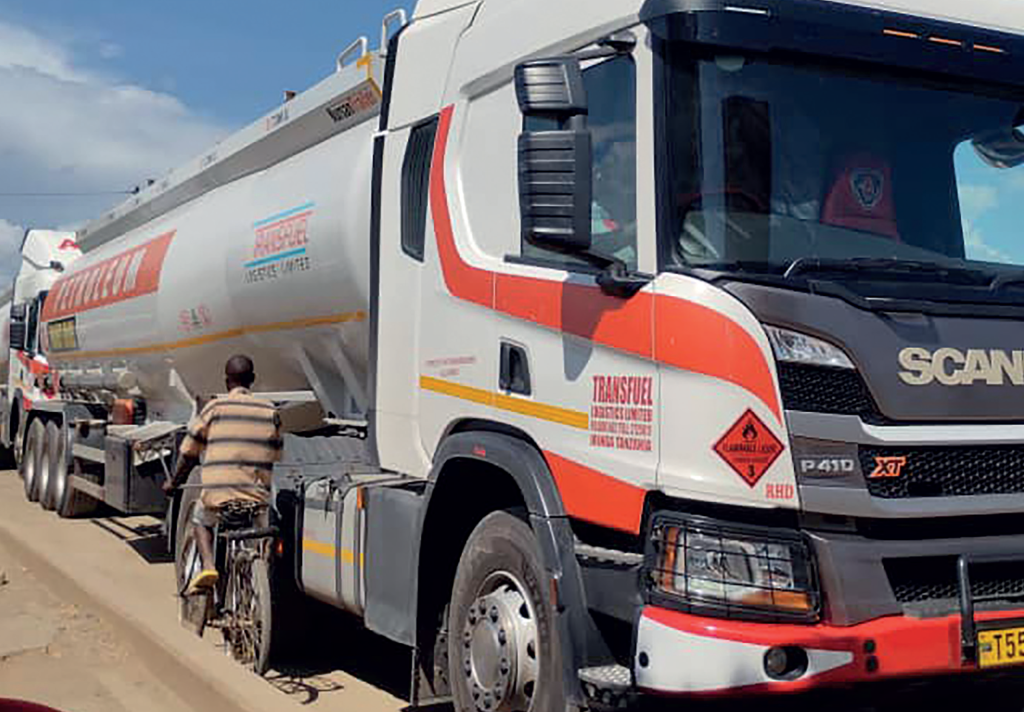
Prior to the introduction of DDU in 2017, Malawi used the ex-tank arrangement.
Ex-tank procurement enables local importers to take charge of ownership of the product destined for Malawi and are responsible for in transit risks such as theft, accidents and contamination up to the internal receiving depots of oil marketing companies.
On the other hand, in the DDU arrangement, the supplier assumes all the risks for delivery of the product from the external depots at the ports to various destinations, with the local importer only taking charge of the products after delivery on site at local depots in the country.
Truck Drivers Association of Malawi president Francis Mkandawire, in an interview yesterday, said the use of DDU continued to give suppliers the discretion to nominate transporters, leaving local drivers disadvantaged.
“These arrangements have left Malawian drivers struggling to secure fuel transportation contracts while foreign operators continued handling the business,” he said.
Mkandawire also queried the rationale behind continuing to engage foreign transporters who are paid in foreign currency at a time Malawi is facing foreign exchange shortages that have crippled importation of essential commodities, including fuel, leading to persistent queues at service stations.
Mzuzu University economics lecturer Christopher Mbukwa said in a separate interview that the forex expenditures being used to pay Tanzanian transporters are avoidable by using local hauliers.
“The amount that we are spending can be used for real strategic imports like fuel, fertiliser and medicine,” he said.
TAM spokesperson Frank Banda said the DDU system continued to disadvantage local operators who previously successfully challenged the arrangement in court.
“Malawi had relied on local transporters for petroleum transportation for years and nobody should question the capacity of local transporters simply because they are trying to engage the Tanzanians,” he said.
Banda maintained that local transporters remain ready and adequately equipped to resume fuel transportation once government engages them.
Consumers Association of Malawi (Cama) president John Kapito said the prolonged fuel crisis has taken a toll on consumers and businesses, with fuel-dependent enterprises struggling to sustain their operations.
Ministry of Energy spokesperson Joana Thaundi and National Oil Company of Malawi (Nocma) spokesperson Raymond Likambale were yet to respond to our questionnaires by press time at 8pm yesterday.
But Malawi Energy Regulatory Authority (Mera) consumer affairs and public relations manager Fitina Khonje said the regulator will continue to ensure effective distribution of fuel across the country.
“We have meetings with importers and oil marketing companies to ensure that the volumes they receive are distributed effectively,” she said.
The developments come as motorists and businesses continue to grapple with the effects of the prolonged scarcity, now in its third month, which has disrupted transportation, economic activities and access to essential services.
The High Court ruled that Nocma’s use of the DDU fuel procurement system was illegal and detrimental to the economy.
Malawian fuel hauliers and regulators argued that DDU shut out local transporters, drained foreign exchange and cost taxpayers an estimated K45 billion ($50 million) more in inflated premiums compared to alternative methods.
Mera at the time also rejected DDU-based contracts as overpriced and the Anti-Corruption Bureau restricted Nocma to using only the ex-tank arrangement.
Malawi continues to struggle to import fuel and other essentials, including medicines and fertiliser due to a foreign exchange crisis resulting from low export earnings. The country’s import bill stands at $3 billion against $1 billion from export earnings.
The post Return to ‘outlawed’ system grounds local hauliers appeared first on Nation Online.