Renewed Hope or Renewed Suffering: How Has Tinubu Made Life Better for the Average Nigerian?
As Tinubu’s tenure draws to a close and the 2027 presidential elections are looming in the distance, we are left wondering if Tinubu’s overly marketed “Renewed Hope” agenda had any impact on the lives of the average Nigerian during his tenure as president. Did we all benefit from the current administration, or have we been... Read More Read » Renewed Hope or Renewed Suffering: How Has Tinubu Made Life Better for the Average Nigerian? on YNaija
 Black News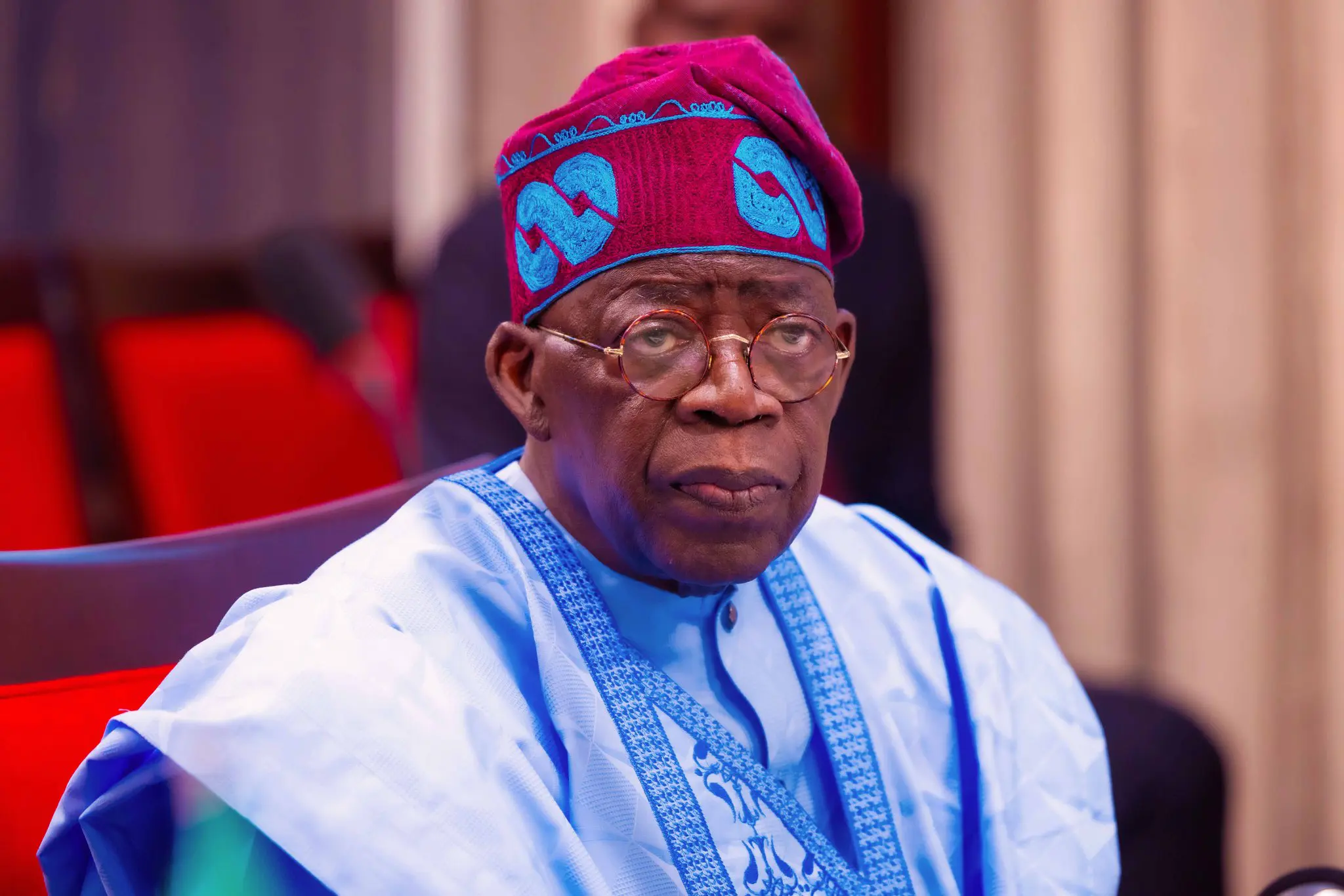
As Tinubu’s tenure draws to a close and the 2027 presidential elections are looming in the distance, we are left wondering if Tinubu’s overly marketed “Renewed Hope” agenda had any impact on the lives of the average Nigerian during his tenure as president. Did we all benefit from the current administration, or have we been left reminiscing about our great country’s past glory?
In this article, we take a factual and analytical look at the major changes Nigeria has faced since the last elections.
What Changes Has Nigeria Faced in Tinubu’s Tenure?
Nigeria has faced many major economic reforms since the election of the current president, and some of these changes began in the first few months of his tenure, which are below.
- Removal of Fuel Subsidy
President Tinubu announced the end of the petroleum subsidy in Nigeria on his inauguration day, which increased government revenue and, in turn, drove prices up. Petroleum prices rose by 300%, driving widespread inflation, and fuel prices went from ₦185 before he took office to ₦488 and ₦617 per litre after he removed the subsidy. It currently ranges between ₦1,300 and ₦1,460 per litre at several filling stations. Petroleum prices have also affected public transportation costs and increased the number of Nigerians who rely on public transport because they can no longer afford fuel.
- The Increase in National Debt
Over the last 4 years, Nigeria’s debt has increased alarmingly, reaching over ₦159 trillion by late 2025. A significant share of the debt the country has accumulated is used to finance external and domestic obligations.
In an article by Punch Newspaper, it was reported that within two years, the presidency had spent at least ₦34.39 billion on foreign exchange for foreign trips and related expenses. In addition, ₦43.20 billion was allocated to the State House Headquarters in the 2026 fiscal year.
- Depletion Of The Healthcare Sector
The Nigerian health care sector has long faced decline, but in recent years, the depletion has worsened, with doctors and other healthcare professionals calling for strikes. An article reported that about two million Nigerian children under five suffer from acute malnutrition. Between January and September 2025, more than 20,811 maternal and child deaths were recorded, one of the highest figures globally.
According to Punch Newspaper, “Out of the ₦218 billion appropriated for capital expenditure in the Federal Ministry of Health in 2025, only a paltry ₦36 million was released.” These figures, along with the lack of interest from government agencies like NAFDAC in regulating dangerous products, have caused a significant decline in the healthcare system.
- Currency Change Reform
Tinubu’s administration decided to combine multiple exchange rates, which adversely affected the Naira. The naira began to lose value, making imported goods more expensive for Nigerians and weakening the naira against other currencies.
This administration has seen the weakest nominal exchange rate in the history of the Nigerian naira, driven by major policy changes. The naira dropped sharply from around ₦460 per US dollar prior to the 2007–2023 transitions to a current trade rate of ₦1,500 to the dollar. The Naira’s decline has significantly reduced purchasing power for essential goods, such as food and fuel.
- Rise in Insecurity
Although this was a growing concern from the previous tenures, the country has seen a rise in unchecked insecurity. Several states in the country have been victims of kidnappings, murders and harassment from bandits and in most cases, the presidency has either chosen to ignore the growing concerns or addressed them in an unsatisfactory manner.
The bandits in the country have become increasingly bold and aggressive, with Nigeria recording thousands of deaths in the last few years.
- Power Decline
While Nigeria has suffered from a lack of proper electricity supply for decades, Nigerians have said the past 3 years have seen the worst power crisis the country has faced. Citing the presidential residence’s recent move to go off the National grid and use solar power instead, many say it shows the president has no interest in fixing the alarming power crisis.
According to news reports from 2026, Nigeria is billions in debt in the power sector, which has contributed to the decline in energy provided to Nigerians. While electricity prices have also increased since the president was sworn in, the cost of electricity has come alongside a decline in the electricity provided. The national grid has seen more outages in recent years at an alarming rate, with half the country experiencing continuous darkness.
- The Tax Increase
In 2025, Tinubu’s government announced a tax increase for Nigerians and set a deadline. Although the country has always been taxed, the increase and the government’s focus on new tax laws forced Nigerians to speak out against it.
The country has seen major tax increases and yet no recorded progress from the hikes.
Has Tinubu Achieved Anything in His Administration?
Tinubu’s tenure has received and continues to receive considerable criticism, but amidst the trials are a few positives, which are:
- The NELFUND Reform
The Tinubu administration introduced a student loan scheme called the “NELFUND reform.” It is a pivotal financial institution established under the Student Loans (Access to Higher Education) (Repeal and Re-enactment) Act, 2024. The fund supports young people in pursuing sustainable higher education and practical skills development.
- New Roads
The government has made a significant contribution to improving major roads in Nigeria. From major bridges to roads and the Trans-Sahara Superhighway announced by the Minister of Works, the Tinubu administration has focused on major road reconstruction.
Perhaps the most significant work, and still ongoing, is the Lagos-Calabar coastal road, a 700-kilometre route that connects different regions in the country.
- Gas & Energy
Tinubu’s administration opened new gas plants to boost domestic gas supply, which many say has had a positive effect. Although the country continues to face consistent power grid failures and collapses, the newly opened gas plants have been felt.
What do we think?
Tinubu’s government has shown both sides of the coin: while it has made positive efforts to improve the country, it has fallen short amid reforms that have crippled the economic and financial capacity of the average Nigerian.
Read » Renewed Hope or Renewed Suffering: How Has Tinubu Made Life Better for the Average Nigerian? on YNaija