Lehata passes on athletics legacy to next generation
Leemisa Thuseho FORMER sprint star, Mosito Lehata, is channelling his wealth of experience into developing the country’s next generation of athletes through his athletics academy, Kings and Queens Academy. Based at Setsoto Stadium in Maseru, the academy is nurturing athletes aged between six and 26, guiding them from grassroots development...
 Black News
Leemisa Thuseho
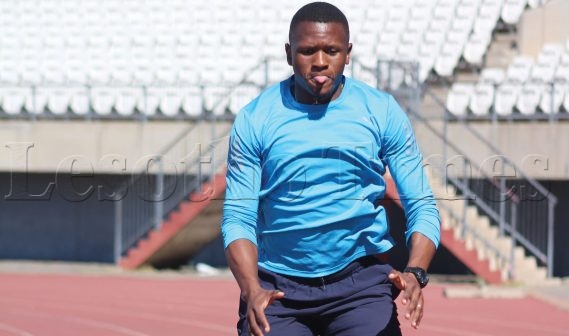
FORMER sprint star, Mosito Lehata, is channelling his wealth of experience into developing the country’s next generation of athletes through his athletics academy, Kings and Queens Academy.
Based at Setsoto Stadium in Maseru, the academy is nurturing athletes aged between six and 26, guiding them from grassroots development to elite competition.
Having represented Lesotho on the international stage for years, Lehata understands what it takes to compete at the highest level. He made his senior debut at the 2010 Commonwealth Games in India, where he reached the 200m final.
His talent earned him a scholarship to train in Mauritius under renowned coach Stephan Buckland, whose guidance helped him qualify for major international championships. In 2016, Lehata rose to become the second-fastest man in Africa.
Beyond his achievements on the track, the former sprinter is now determined to leave a lasting legacy by creating opportunities for young athletes to realise their potential.
He said his decision to establish the academy was driven by what he considers a long-standing lack of structured support for emerging athletics talent in Lesotho.
“We have so much talent in Lesotho, no doubt about that, but for the longest time, I always felt like there was a lack of support to help talented Basotho youth in athletics,” Lehata told the Lesotho Times this week.
“Everywhere I go in Lesotho, you will hear a lot of people telling you how fast they used to be when growing up, but unfortunately there was no one to help them. I am here to change that. I am here to give every Mosotho an opportunity that some never got,” he said.
Lehata believes athletics and sport in general can also become a source of employment for young people at a time when unemployment remains a major challenge in the country.
“We have seen that athletes can make a living from athletics. We are currently experiencing a lack of jobs for youth in Lesotho and I believe sports in general can help create jobs for youth if we invest in sports,” he said.
Lehata’s commitment to athletics development comes after a difficult chapter in his own career. In 2021, he was handed a five-year suspension from all sport following two anti-doping rule violations prosecuted by the South African Institute for Drug-Free Sport (SAIDS). His period of ineligibility ended on 8 June 2026.
Rather than allowing the setback to define his relationship with athletics, Lehata has continued to invest his knowledge and experience in developing young runners.
He said the academy was born out of his realisation that although Lesotho had talented athletes, it lacked the structures needed to nurture and guide them.
“When I was still running, I realised that we have talent but we had no system. Athletes were training alone, with no structure, no one to guide them.
“I wanted to create the place I wish I had when I was 15. It is doing well so far. Soon I will need an assistant because it just keeps growing,” he said.
Despite its encouraging growth, the academy faces several challenges, particularly the financial difficulties experienced by some of its athletes.
Lehata said some of the youngsters came from disadvantaged backgrounds but remained committed to training despite their limited resources.
“Talking about the challenges, it is tough for some of my athletes honestly. Some come from poor backgrounds and they are so committed. When we started, they used to run with bare feet. Some must walk more than 10km home after every session just because they don’t have money for transport.
“I want all of them to have access to the gym because we need it but they can’t afford it. Regardless, we won’t stop. That is how champions are made,” he said.
His ambitions for the academy go beyond producing national champions, with the former African sprint star setting his sights on Olympic success.
“I told my athletes that in 10 years we must have an Olympic medallist. If we keep going, no doubt we will have athletes who are capable of bringing us Olympic medals,” Lehata said.
He believes achieving that ambition will require greater investment in coaching and more competitive opportunities for local athletes.
According to him, Lesotho needs more coaches working at grassroots level instead of relying on a handful of individuals to develop the country’s athletics talent.
“I am definitely convinced with the talent we have but we need coaches on the ground working. Not one coach or two coaches. We need more. We can’t do this alone.
“Secondly, we need more competitions locally for our athletes. That is how they will improve,” he said.