‘Israel Fingered’ As South Africa’s Ramaphosa ‘Regrets’ Xenophobic Attacks
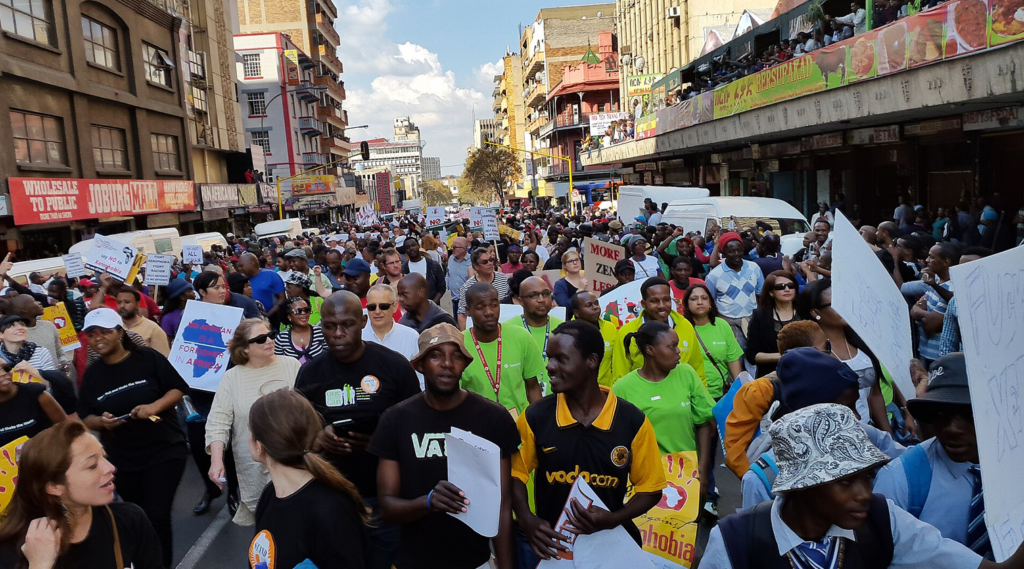
By Black Star News Photos: Wikimedia Commons The President of South Africa Cyril Ramaphosa has appealed to African countries to co-operate in managing migration. The Rainbow Nation has seen its image darkened in the wake of xenophobic attacks on nationals from other African nations. “As African countries, we have to acknowledge and address the conditions that drive migration in the first place. We need to work together to address issues like conflict, instability, governance failures, poverty and social discord,” Ramaphosa told the legislative body of the African Union session of the Parliament on July 27. Being the continent’s economic giant, South Africa has been a socio-economic magnet for most Africans running away from devastating unemployment and abject poverty in their home countries; including Uganda. It has been an attractive economic opportunity, too, for professionals like doctors across Africa. In 2008, 2015, 2016 and 2026, however, South Africans turned the tables on foreigners of African origin; irrespective of whether documented or undocumented piling blame on them for rampant crime, exerting pressure on their social amenities and grabbing jobs from natives. Ramaphosa warns that unmanaged cross-border movement could undermine security and social order; saying no country could address the challenge alone. Ramaphosa now “regrets and mourns lives lost” in the “sad and abhorrent” attacks, assuring: “We have taken a firm stand against hatred for people from other countries, xenophobia or Afrophobia.”. The African Union’s human rights body, the African Commission on Human and People’s Rights, on the other hand, has already condemned anti-migrant attacks and vigilante violence targeting nationals of other African origins in South Africa. The AU body called on South African authorities to protect migrants, investigate the attacks, prosecute those responsible and uphold the rights guaranteed under the African Union Charter on Human and People’s Rights. In a July 23 statement condemning the latest wave of xenophobic violence in South Africa, AU Chairperson Mahmoud Ali Youssouf called on South African authorities to act immediately and on law enforcement to identify those responsible and confirms that the issue will be placed on the agenda of the next Assembly of Heads of State and Government. Unverified social media whispers, meanwhile, seem to finger Israel’s intelligence agency—the Mossad—for fanning civil unrest and tarnish the image of Ramaphosa’s government. Relatedly, in a recent interview with the media there, South Africa’s Justice and Constitutional Development minister, Mmamoloko Kubayi, insinuated linking the anti-immigrant protests to South Africa’s case against Israel at the International Court of Justice (ICJ). South Africa dragged Israel to the ICJ on December 29, 2023 alleging the latter’s atrocities against the Palestinians in Gaza. The October 7, 2023 Hamas’ attacks on Israelis has so far attracted retaliatory “massacres” that South Africa contends borders on genocide against Palestinians in Gaza Strip and the West Bank of River Jordan. “Israel fights. That court case is huge on their shoulders. And they will fight back in a manner that seeks to show South Africa is not a country with moral authority to advocate for human rights,” a carefully-treading Kubayi “speaking in generic” is quoted as saying. Marked for violent xenophobic attacks alongside other African nationals, a total of 1, 030 Ugandans that survived and risked xenophobic attacks in South Africa were finally repatriated home aboard Uganda Airlines at Government of Uganda expense. Three Ugandans were confirmed to have been killed during the recent violent xenophobic attacks in South Africa. “If we also start chasing South Africans in Uganda, that is exactly what the enemies of Africa want. Africa’s enemies want to see us fighting and divided. South Africans also have businesses in Uganda and while some would expect us to retaliate, that will not happen,” Gen Yoweri Museveni said as he passed out 1,030 Ugandan returnees at the National Leadership Institute (NALI) in Kyankwazi near the capital, Kampala on July 19. According to Museveni, “I have spoken with [South African] President [Cyril] Ramaphosa, and we shall begin the process of compensating those who genuinely lost property. I urge everyone to be truthful and declare only what was actually lost, because honesty is essential and those who lie or make false claims will be held accountable before God. South Africans are involved in powerful businesses here in Uganda, including MTN and others.” South African-owned Mobile Telephone Network (MTN) entered Uganda’s telecom market on October 21, 1998 and has since commanded the largest telecom market subscription in the country. In fact, some rural telecom subscribers in Uganda cannot differentiate between a mobile phone handset and MTN as they consider the latter to mean the former.
 Black News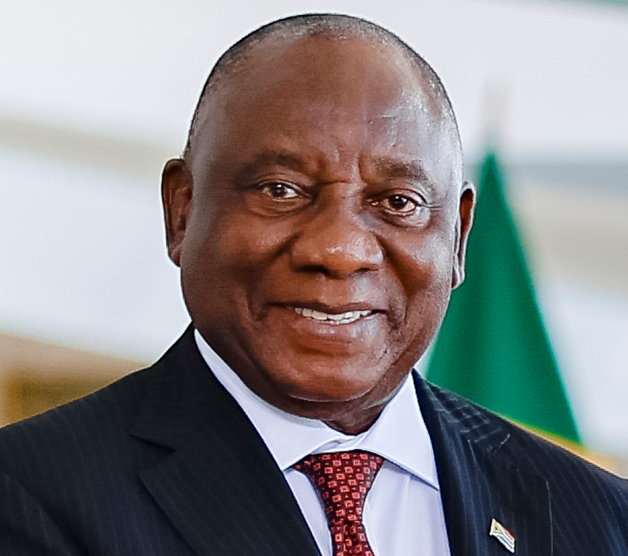
By Black Star News
Photos: Wikimedia Commons
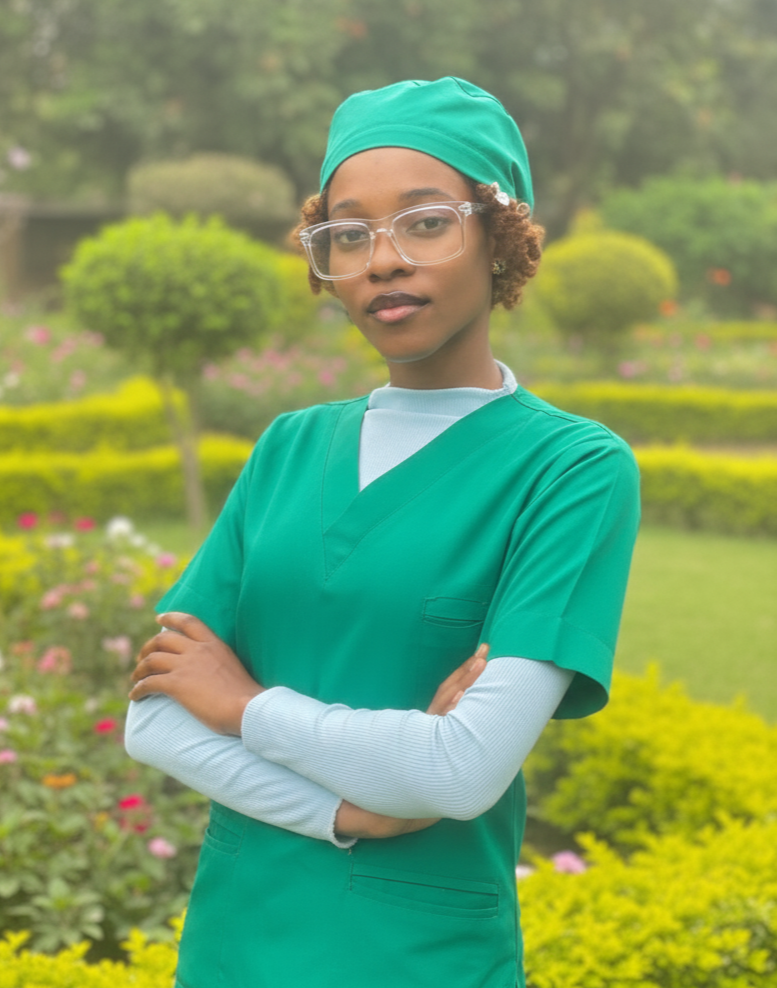
The President of South Africa Cyril Ramaphosa has appealed to African countries to co-operate in managing migration. The Rainbow Nation has seen its image darkened in the wake of xenophobic attacks on nationals from other African nations. “As African countries, we have to acknowledge and address the conditions that drive migration in the first place. We need to work together to address issues like conflict, instability, governance failures, poverty and social discord,” Ramaphosa told the legislative body of the African Union session of the Parliament on July 27. Being the continent’s economic giant, South Africa has been a socio-economic magnet for most Africans running away from devastating unemployment and abject poverty in their home countries; including Uganda. It has been an attractive economic opportunity, too, for professionals like doctors across Africa.

In 2008, 2015, 2016 and 2026, however, South Africans turned the tables on foreigners of African origin; irrespective of whether documented or undocumented piling blame on them for rampant crime, exerting pressure on their social amenities and grabbing jobs from natives. Ramaphosa warns that unmanaged cross-border movement could undermine security and social order; saying no country could address the challenge alone.
Ramaphosa now “regrets and mourns lives lost” in the “sad and abhorrent” attacks, assuring: “We have taken a firm stand against hatred for people from other countries, xenophobia or Afrophobia.”.
The African Union’s human rights body, the African Commission on Human and People’s Rights, on the other hand, has already condemned anti-migrant attacks and vigilante violence targeting nationals of other African origins in South Africa. The AU body called on South African authorities to protect migrants, investigate the attacks, prosecute those responsible and uphold the rights guaranteed under the African Union Charter on Human and People’s Rights.
In a July 23 statement condemning the latest wave of xenophobic violence in South Africa, AU Chairperson Mahmoud Ali Youssouf called on South African authorities to act immediately and on law enforcement to identify those responsible and confirms that the issue will be placed on the agenda of the next Assembly of Heads of State and Government.
Unverified social media whispers, meanwhile, seem to finger Israel’s intelligence agency—the Mossad—for fanning civil unrest and tarnish the image of Ramaphosa’s government.
Relatedly, in a recent interview with the media there, South Africa’s Justice and Constitutional Development minister, Mmamoloko Kubayi, insinuated linking the anti-immigrant protests to South Africa’s case against Israel at the International Court of Justice (ICJ). South Africa dragged Israel to the ICJ on December 29, 2023 alleging the latter’s atrocities against the Palestinians in Gaza. The October 7, 2023 Hamas’ attacks on Israelis has so far attracted retaliatory “massacres” that South Africa contends borders on genocide against Palestinians in Gaza Strip and the West Bank of River Jordan. “Israel fights. That court case is huge on their shoulders. And they will fight back in a manner that seeks to show South Africa is not a country with moral authority to advocate for human rights,” a carefully-treading Kubayi “speaking in generic” is quoted as saying.
Marked for violent xenophobic attacks alongside other African nationals, a total of 1, 030 Ugandans that survived and risked xenophobic attacks in South Africa were finally repatriated home aboard Uganda Airlines at Government of Uganda expense. Three Ugandans were confirmed to have been killed during the recent violent xenophobic attacks in South Africa.
“If we also start chasing South Africans in Uganda, that is exactly what the enemies of Africa want. Africa’s enemies want to see us fighting and divided. South Africans also have businesses in Uganda and while some would expect us to retaliate, that will not happen,” Gen Yoweri Museveni said as he passed out 1,030 Ugandan returnees at the National Leadership Institute (NALI) in Kyankwazi near the capital, Kampala on July 19.
According to Museveni, “I have spoken with [South African] President [Cyril] Ramaphosa, and we shall begin the process of compensating those who genuinely lost property. I urge everyone to be truthful and declare only what was actually lost, because honesty is essential and those who lie or make false claims will be held accountable before God. South Africans are involved in powerful businesses here in Uganda, including MTN and others.” South African-owned Mobile Telephone Network (MTN) entered Uganda’s telecom market on October 21, 1998 and has since commanded the largest telecom market subscription in the country. In fact, some rural telecom subscribers in Uganda cannot differentiate between a mobile phone handset and MTN as they consider the latter to mean the former.
“The ANC [South Africa’s anti-apartheid fighter and current ruling African National Congress], which I have supported for over 60 years, not just in words but through actions as well, and then I hear that my bazzukulu [local dialect for grandchildren] are being called xeno? They can say that some Ugandans went there through the wrong channels, but to call them xeno is the language of an enemy.” ANC cadres and fighters have had their training in Uganda and were offered diplomatic sanctuary from the time of Dr Milton Obote’s regime through to Museveni’s before the Rainbow Nation got independence in 1994 following the 27-year prison release of Nelson Mandela. A National Stadium is now named in honour of Nelson Mandela. A military training Academy near Kampala is named after Oliver Reginald Tambo; who was one of the ANC fighters. Most Ugandans have been working in South Africa as professionals: doctors, teachers among other professionals.
Others, however, were illegal immigrants involved in practicing traditional African herbal medicine better calling themselves “researchers and professors of witchcraft”. “I told President Ramaphosa that what is happening is dangerous for Africa,” Museveni said, revealing that he told Ramaphosa that those behind the attacks were enemies of South Africa’s governing ANC; “I urged him to deal decisively with xenophobia because welcoming fellow Africans is the right thing to do. If countries begin retaliating against one another, it will be dangerous for the entire continent.”
The returnees spent 15 days at the NALI undergoing rehabilitation, counseling and ideological orientation under a program coordinated by the National Secretariat for Patriotism Corps following their evacuation from South Africa after violent xenophobic attacks targeted foreign African nationals resident there.
“I welcome you from danger, and I thank God that you have returned safely,” Museveni told the returnees: “I also condole with the families who lost their loved ones during the attacks.” He offered Shs10 million (roughly US$2,857) in condoling with each of the three bereaved families that lost their loved ones to the xenophobic attacks.
Uganda’s High Commission in South Africa’s administrative capital, Pretoria; has already registered over 600 Ugandans remaining in South Africa, according to the Acting Foreign Affairs minister, Haruna Kasolo-Kyeyune.
NALI recorded receiving 738 adults and 292 children, making a total of 1,030 returnees. Museveni has pledged Shs2 billion (about US$572,000) financial support channeled through the returnees’ Savings and Credit Cooperatives Organisations to enable them re-launch their socio-economic lives back home. Museveni told the returnees that Uganda’s economy offers opportunities in commercial agriculture, manufacturing, services, artisan work and the rapidly growing digital economy.
Media figures put the mass exodus of African nationals from South Africa in the last two months at well over 160,000.