Inside Ethiopia and Kenya's plan to legalize billions in informal border trade
For decades, the border between Ethiopia and Kenya has been a hub for informal commerce, with livestock, agricultural produce, household goods, and other essentials moving across the frontier through small-scale traders.
 Black News

For decades, the border between Ethiopia and Kenya has been a hub for informal commerce, with livestock, agricultural produce, household goods, and other essentials moving across the frontier through small-scale traders.
- Ethiopia has introduced a new directive to formalize small-scale cross-border trade with Kenya.
- Eligible traders must live near the border, acquire a trade license, and are limited in transaction value and frequency.
- The framework allows licensed traders to exchange up to $1,000 worth of goods monthly under simplified customs.
- The initiative seeks to improve customs compliance, combat contraband, improve revenue collection, and support local livelihoods.
While this trade has sustained livelihoods in border communities, much of it has taken place outside formal customs systems, limiting government oversight and exposing traders to legal and financial risks.
Ethiopia is now taking steps to change that.
The Ethiopian Customs Commission has introduced a new directive establishing a legal framework for small-scale cross-border trade with Kenya.
DON'T MISS THIS: Africa exports expected to hit USD1 trillion by 2035, according to new report
The initiative is designed to formalize informal commerce, curb contraband, improve customs compliance, and strengthen economic cooperation between the two neighbouring countries.
The move comes as African governments increasingly seek to integrate informal trade into the formal economy, recognizing its significant contribution to employment, food security, and cross-border livelihoods.
How the new border trade framework will work
Under the directive, eligible traders must live within 50 kilometres of an approved border crossing on the Ethiopian side, while Kenyan participants must reside within 100 kilometres of the border.
To qualify, traders must obtain a border trade licence and must not already be engaged in formal commercial import or export activities, ensuring the programme benefits genuine small-scale traders.
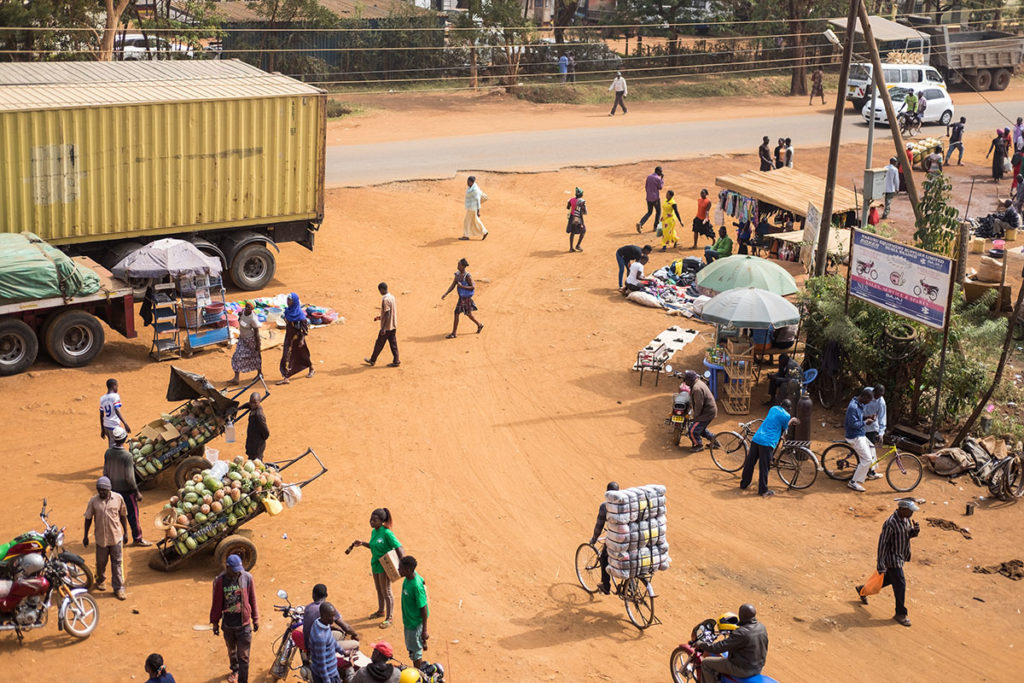
Each licensed trader is permitted to exchange goods worth up to $1,000 per month under simplified customs procedures. The framework also limits traders to one border crossing per week, a safeguard intended to prevent larger commercial operators from exploiting the scheme.
The directive covers locally produced goods commonly traded between the two countries, including livestock, agricultural produce, animal products, food items, and other approved commodities.
Although the framework simplifies trade, it does not exempt participants from customs duties. Instead, qualifying goods benefit from a 10% bilateral tariff reduction, provided they meet the applicable rules of origin under the Common Market for Eastern and Southern Africa (COMESA).
Why Ethiopia and Kenya are formalizing border trade
The Ethiopia-Kenya border is one of East Africa's busiest informal trading corridors, supporting thousands of households that rely on the movement of livestock, grains, food products, and consumer goods.
However, because much of this commerce occurs outside official channels, governments have struggled to monitor trade volumes, collect revenue, and combat smuggling.
DON'T MISS THIS: Kenya set to dethrone Ethiopia as East Africa’s largest economy
By creating a structured legal framework with licensing requirements, trading limits, and designated border crossings, Ethiopian authorities aim to channel this activity into the formal economy without disrupting the livelihoods of border communities.
The policy is also expected to strengthen customs oversight, reduce illicit trade, improve revenue collection, and promote peaceful economic cooperation between neighbouring communities that have long depended on cross-border commerce.
Beyond its bilateral significance, the initiative aligns with broader continental efforts to deepen regional integration under the African Continental Free Trade Area (AfCFTA).
If successful, the Ethiopia-Kenya model could serve as a blueprint for other African countries seeking to formalize informal trade while preserving its vital role in supporting local economies.