Gambia set to move phone numbers from 7 to nine-digit system
Speaking at a press conference, PURA Director General Dr. Njogou L. Bah said the transition from the current seven-digit numbering system is necessary because the country is running out of available telephone numbers as demand for mobile and digital services continues to grow. “For the first time in our history, every telephone number in The Gambia will transition from the current seven-digit format to a standardised nine-digit format, this is not a minor administrative update. This is a foundational reform that will shape how Gambians communicate in business, in government, in communities, and in families for decades to come.” Under the new numbering plan, every existing seven-digit number will become a nine-digit number through the addition of a two-digit prefix at the beginning of the current number. Dr. Bah stressed that customers will keep their existing SIM cards, mobile phones, network providers, airtime balances, data plans and registered SIM identities. Numbers added to Africell are 87, Qcell 83 and Commuim 86. Gamtel Gamcel are yet to join. “What changes is that when someone saves your number or dials you, they will use nine digits instead of seven,” he explained. PURA said both the old and new number formats will work from 4 September 2026 to allow the public enough time to update their contact lists. However, the transition period will end on 30 November 2026, when all calls and SMS messages made using seven-digit numbers will no longer connect. Explaining the need for the reform, Dr. Bah said the current numbering system can provide only ten million unique numbers, which is no longer sufficient as the country’s population grows and new telecommunications services emerge. He said the new nine-digit plan expands the country’s numbering capacity to one billion unique numbers, providing room for growth well into the second half of this century. PURA said the decision followed a comprehensive review conducted in consultation with the International Telecommunication Union and telecommunications regulators across the ECOWAS region. The authority also announced the launch of a five-month nationwide public awareness campaign to educate the public about the migration process. Members of the media have been urged to help spread accurate information and direct the public to PURA and Hotline 148 for enquiries. Dr. Bah said the migration is backed by the Public Utilities Regulatory Authority Act and has been formally gazetted, making compliance mandatory for the country’s three licensed mobile operators AFRICELL, QCELL and COMIUM. He added that technical preparations and interoperability testing are progressing on schedule ahead of the September launch.
 Black News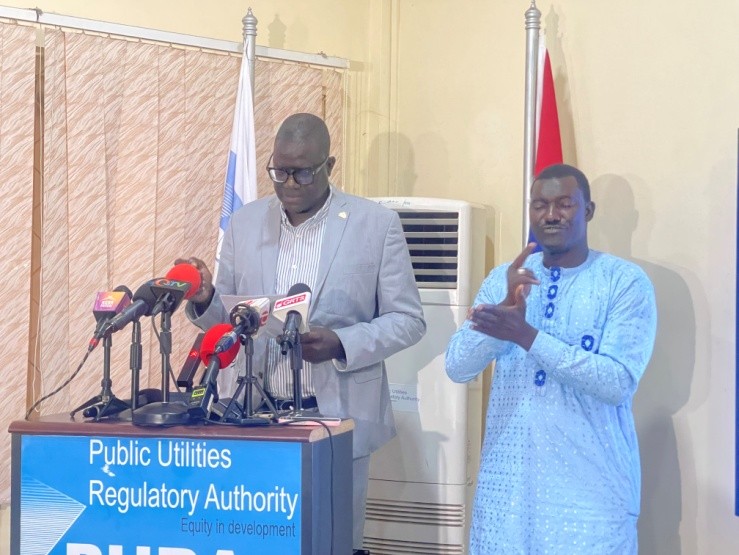
Speaking at a press conference, PURA Director General Dr. Njogou L. Bah said the transition from the current seven-digit numbering system is necessary because the country is running out of available telephone numbers as demand for mobile and digital services continues to grow.
“For the first time in our history, every telephone number in The Gambia will transition from the current seven-digit format to a standardised nine-digit format, this is not a minor administrative update. This is a foundational reform that will shape how Gambians communicate in business, in government, in communities, and in families for decades to come.”
Under the new numbering plan, every existing seven-digit number will become a nine-digit number through the addition of a two-digit prefix at the beginning of the current number. Dr. Bah stressed that customers will keep their existing SIM cards, mobile phones, network providers, airtime balances, data plans and registered SIM identities.
Numbers added to Africell are 87, Qcell 83 and Commuim 86. Gamtel Gamcel are yet to join.
“What changes is that when someone saves your number or dials you, they will use nine digits instead of seven,” he explained.
PURA said both the old and new number formats will work from 4 September 2026 to allow the public enough time to update their contact lists. However, the transition period will end on 30 November 2026, when all calls and SMS messages made using seven-digit numbers will no longer connect.
Explaining the need for the reform, Dr. Bah said the current numbering system can provide only ten million unique numbers, which is no longer sufficient as the country’s population grows and new telecommunications services emerge. He said the new nine-digit plan expands the country’s numbering capacity to one billion unique numbers, providing room for growth well into the second half of this century.
PURA said the decision followed a comprehensive review conducted in consultation with the International Telecommunication Union and telecommunications regulators across the ECOWAS region.
The authority also announced the launch of a five-month nationwide public awareness campaign to educate the public about the migration process. Members of the media have been urged to help spread accurate information and direct the public to PURA and Hotline 148 for enquiries.
Dr. Bah said the migration is backed by the Public Utilities Regulatory Authority Act and has been formally gazetted, making compliance mandatory for the country’s three licensed mobile operators AFRICELL, QCELL and COMIUM. He added that technical preparations and interoperability testing are progressing on schedule ahead of the September launch.