After launching its first gold refinery, Congo plans two more facilities to combat a nagging enemy
Gold traders in the Democratic Republic of Congo (DRC)have touted plans to build two gold refineries, with a combined 68-ton refining capacity.
 Black News
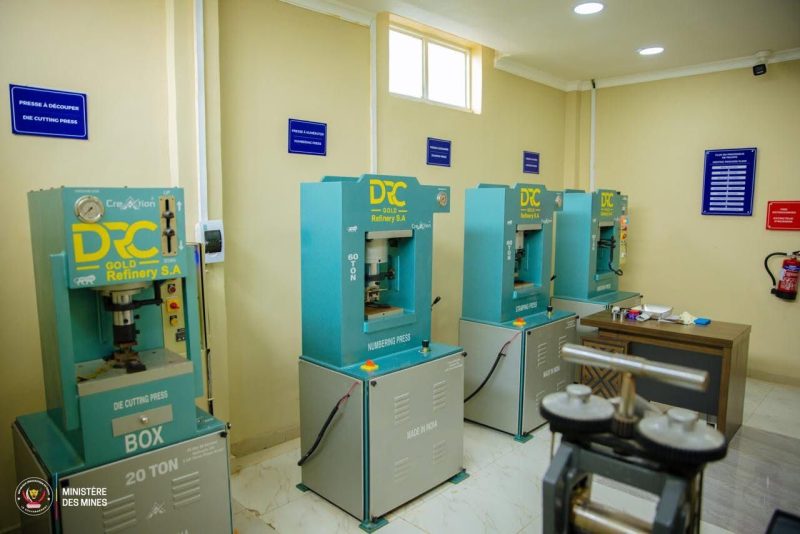

Gold traders in the Democratic Republic of Congo (DRC)have touted plans to build two gold refineries, with a combined 68-ton refining capacity.
- The DRC plans to build two gold refineries in Kisangani and Kinshasa with a combined annual capacity of 68 tons to bolster gold autonomy and curb smuggling.
- The refineries aim to obtain London Bullion Market Association certification to enhance their credibility in the global gold market.
- The country has already inaugurated a refinery in Kalemie and created DRC Gold Trading to regulate and formalize gold purchased from small-scale miners.
- A significant portion of Congo’s artisanal gold is currently smuggled out, often funding armed groups, prompting new traceability initiatives to ensure conflict-free supply.
The facilities, which are intended to bolster the DRC’s gold autonomy and reduce smuggling, will be situated in the central city of Kisangani and the country’s capital, Kinshasa.
The Kisangani facility will have an annual capacity of 18 tons, and the Kinshasa gold refinery, designed to be the flagship site, will have a capacity of 50 tons.
The group noted that down the line, it intends to get the London Bullion Market Association certification for both facilities.
Congo’s refinery plans follow a similar initiative in Burkina Faso, where the current head of state, Ibrahim Traore, recently inaugurated the country’s first gold refinery, after a long history of dependence on Western refiners.
Much like its West African counterpart, the DRC is looking to take advantage of the booming global gold trade, which has seen gold prices rise to as high as $80,000.
Earlier this year, the DRC inaugurated its first gold refinery in the eastern city of Kalemie, with a modest target of 600 kg of production per month at 99.9% purity.
Established in 2023, DRC Gold Trading, formerly known as Primera, was created to buy gold mined by small-scale miners and help bring the trade under government regulation.
A large share of the country's artisanal gold leaves the DRC illegally, often through neighbouring countries such as Uganda and Rwanda. Some of the proceeds have also been linked to the financing of armed groups.
The company says it is introducing systems to track the gold it buys and ensure that its supply chain is not linked to conflict, as reported by Bloomberg.
Official figures from the mines ministry show that the DRC recorded more than 3 tonnes of artisanal gold production in the first nine months of this year.
“Starting in July, artisanal gold production saw a spectacular surge,” the ministry said, primarily due to expanded purchases by the company.
Outside of building these refineries, the DRC has established other initiatives to curb the illicit gold trade that has plagued the country's mining industry.
Congo’s plan to curb illegal gold trade
During a Council of Ministers meeting on April 5, Prime Minister Judith Suminwa unveiled a strategy to improve traceability, strengthen oversight, and formalise gold flows long dominated by informal and cross-border networks.
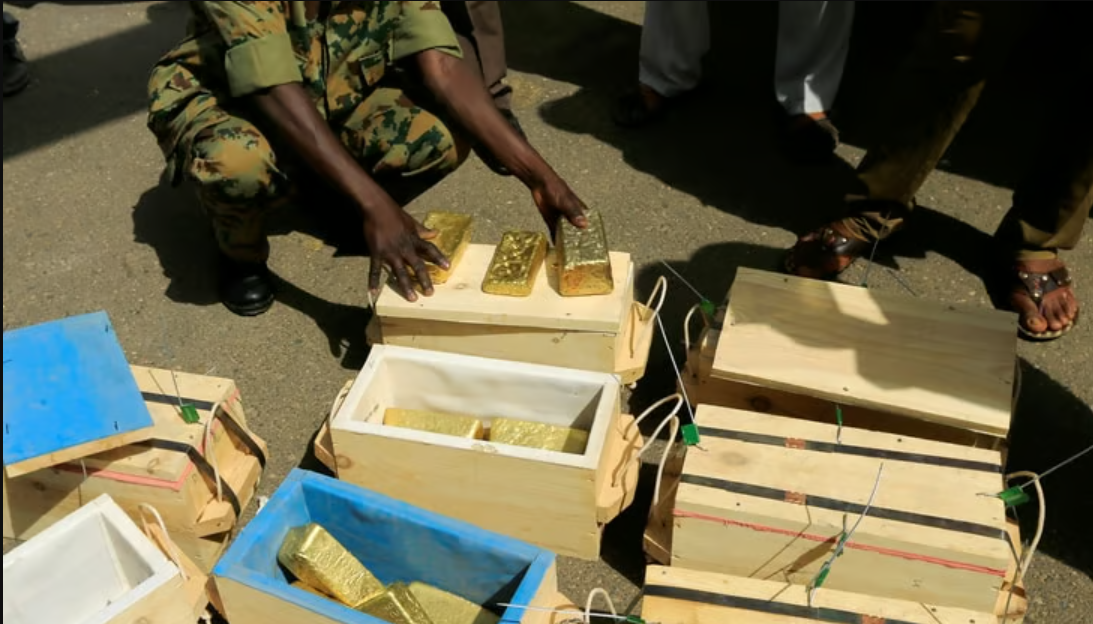
At the centre of the initiative is a multi-ministerial working group tasked with proposing concrete solutions to longstanding gaps in the monitoring of gold production and exports.
Authorities plan to revise the traceability manual for mineral products, covering the full chain from extraction to export, while also overhauling the framework governing the Specialized Center for the Purchase, Marketing, and Export of Gold from Artisanal Mining.
At the same time, the president of the country, Felix Tshisekedi, recently informed his council of ministers that the country must audit its mining joint ventures to ensure that businesses are complying with national regulations, including the repatriation of export proceeds.
“This audit must identify shortcomings, assess uncollected revenues, and propose corrective measures,” the Congolese president stated.
The president also stated that the non-repatriation of mining revenues as required by law and capital flight through fraudulent imports “remains a major vulnerability” for Congo.
The majority of mining projects in the nation, including large enterprises run by companies like CMOC Group Ltd., Glencore Plc, and Barrick Mining Corp., have minority shares held by the government or state-owned businesses.
Depending on whether they have repaid their initial investment, miners are required by Congolese law to repatriate between 60% and 100% of export earnings.