
Africa’s largest airline caught in fallout from one of the continent’s most brutal civil wars
Africa’s largest and most recognized airline, Ethiopian Airlines, has become a victim of the country’s longstanding internal conflict.
 Black News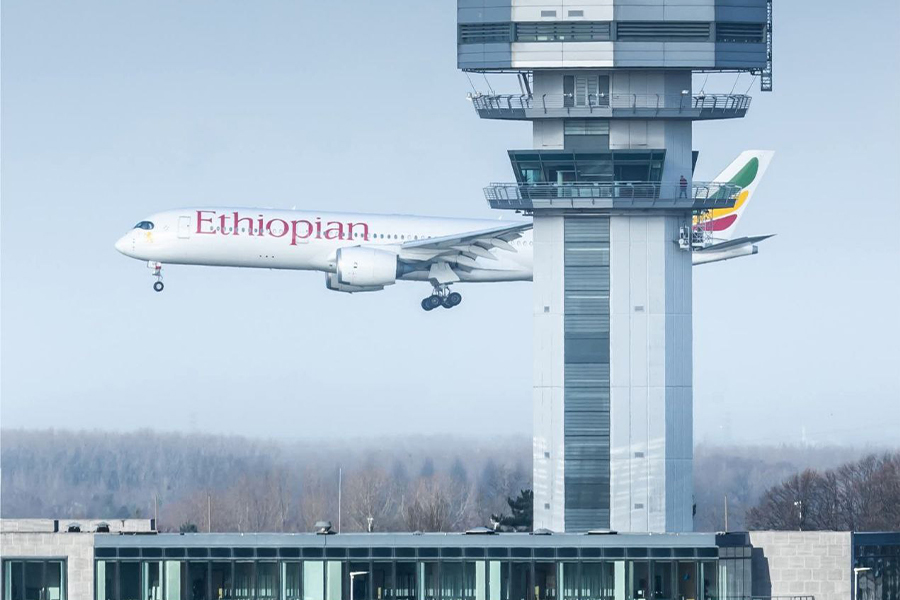

Africa’s largest and most recognized airline, Ethiopian Airlines, has become a victim of the country’s longstanding internal conflict.
- Ethiopian Airlines has suspended flights to Tigray after Tigrayan forces seized the airport in Mekelle.
- Security in Ethiopia has worsened as the TPLF allied with six other armed groups to challenge the federal government.
- A peace agreement signed in November 2022 ended the main fighting in the Tigray War, but violations and tensions continue.
- The Tigray War, starting in 2020, caused mass displacement and a humanitarian crisis due to fighting between federal forces, the TPLF, and others.
Recent developments in the Tigray region of Ethiopia have altered operations in what has become known as Africa’s top airline.
DON'T MISS THIS: The Horn of Africa seems to be on the verge of another war
Ethiopian Airlines recently suspended flights to the northern Tigray region, following the seizure of the airport in the regional capital Mekelle from federal police by Tigrayan forces.
The national carrier disclosed via social media that flights to Mekelle and the cities of Shire and Axum had been suspended "due to the current situation in Tigray region.”
The airline gave no further details on the current situation.
Reuters, which spoke to sources familiar with the situation, confirmed that Tigrayan forces had indeed seized the airport.
Ethiopia’s security situation has become complex given the Tigray situation and the fact that the Tigray People's Liberation Front (TPLF), the political party that runs Tigray, announced on Sunday it had allied with six other armed groups across Ethiopia aimed at overthrowing Abiy's government.
This new development follows months of deteriorating relations between the TPLF and Ethiopia’s current administration.
Both parties inked a peace agreement in November 2022 to end the war, but each has been accusing the other of violating the agreement.
Subsequent to the TPLF's assumption of control over the regional government from the interim administration established under the peace agreement in May, the security situation in the region has escalated.
Tigray war
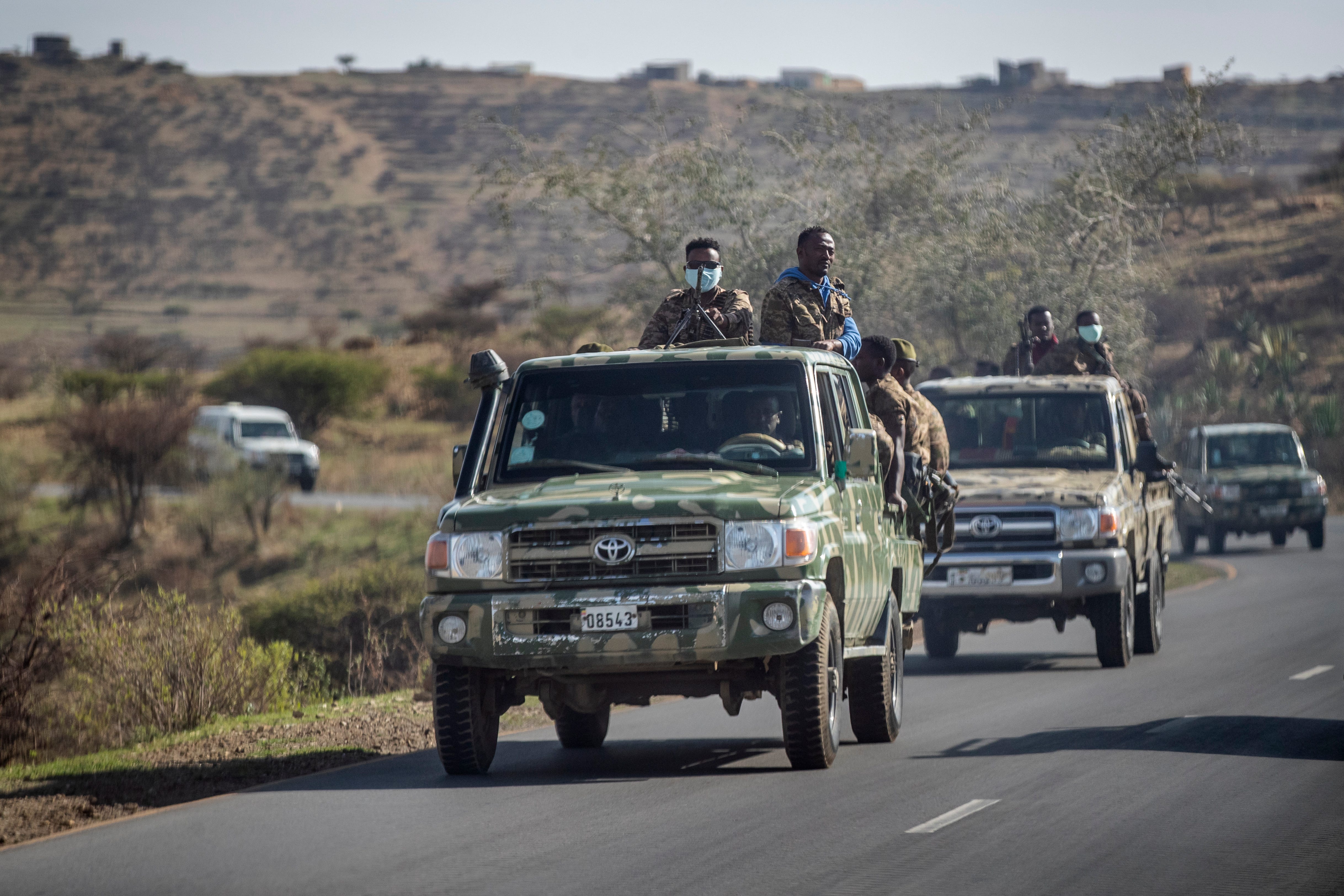
The Tigray War was one of Ethiopia’s most devastating conflicts in recent history. It began in November 2020 after tensions between the federal government and the Tigray People’s Liberation Front (TPLF) escalated into open fighting.
The conflict quickly drew in other forces, including troops from Eritrea and Ethiopia’s Amhara region. Fighting spread across Tigray and into neighbouring areas, forcing millions of people from their homes and disrupting access to food, healthcare and other basic services.
The war stemmed from a political dispute that had been building since Prime Minister Abiy Ahmed came to power in 2018.
The TPLF had played a major role in Ethiopia’s politics for decades but saw its influence decline under Abiy’s government.
Both sides were accused of serious abuses during the conflict, including killings, sexual violence, and attacks on civilians.
The scale of the humanitarian crisis made the war one of Africa's most closely watched conflicts.
After another major escalation in 2022, the Ethiopian government and the TPLF agreed to African Union-led peace talks in South Africa.
On November 2, 2022, they signed the Pretoria Agreement, which ended the main fighting and provided a framework for disarmament and restoring federal authority in Tigray.
However, the agreement did not settle every issue, with disputes over territory, displaced people, and political tensions continuing after the war.



![Le[e]gal Brief: Rev. Jesse Jackson Showed Us We Were Somebody](https://newsone.com/wp-content/uploads/sites/22/2026/01/17682414196103.png?strip=all&quality=80&w=1024&crop=0,0,100,538px#)