African Leaders Urge Shift to Climate Agency as CCDA-14 Concludes in Addis Ababa
Delegates highlighted a severe funding discrepancy, noting that while Africa accounts for less than four percent of global emissions, the continent requires approximately USD277 billion annually through 2030 to fulfill its Nationally Determined Contributions (NDCs). Current international financial flows cover only about 11 percent of that requirement. This was disclosed during the fourteenth Conference on […]
 Black News
Delegates highlighted a severe funding discrepancy, noting that while Africa accounts for less than four percent of global emissions, the continent requires approximately USD277 billion annually through 2030 to fulfill its Nationally Determined Contributions (NDCs). Current international financial flows cover only about 11 percent of that requirement.
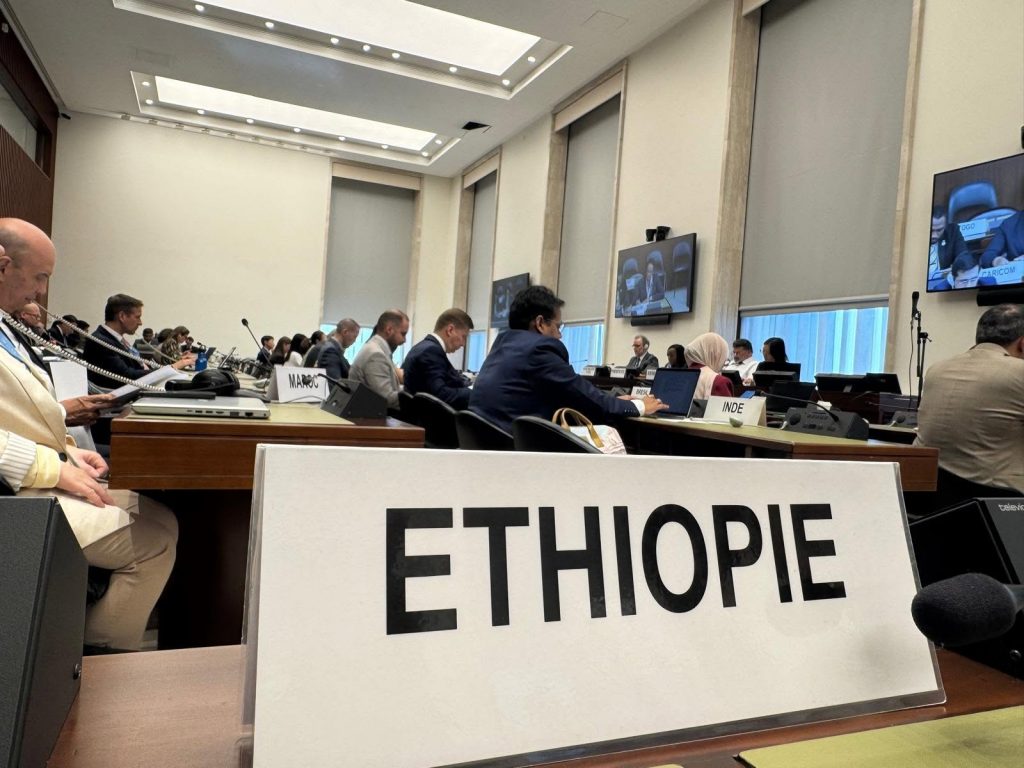
This was disclosed during the fourteenth Conference on Climate Change and Development in Africa (CCDA-14) concluded last week with a united call for the continent to transition from climate participation to full climate agency. Hosted under the Climate for Development in Africa (ClimDev-Africa) Programme—a joint effort by the United Nations Economic Commission for Africa (ECA), the African Union Commission (AUC), the African Development Bank (AfDB), and Afreximbank, alongside the Pan African Climate Justice Alliance (PACJA)—the three-day summit established key strategic priorities leading toward COP31 in Antalya and an African-hosted COP32 in Addis Ababa in 2027.
The conference adopted key outcomes prioritizing global governance and climate agency, urging national parliaments to translate global climate pledges directly into binding legislation, budgets, and accountable oversight. On transformative finance and carbon markets, delegates called on developed nations to honor Paris Agreement commitments while encouraging Africa to build high-integrity carbon pricing mechanisms that fund local clean technology and job creation directly. To build resilience, the assembly prioritized integrated early warning systems, calling for expanded support for National Meteorological and Hydrological Services under the Addis Ababa Call to Action.
In response, closing speaker Hanan Morsy, ECA Deputy Executive Secretary, alongside other continental leaders, stressed that Africa’s climate narrative must move beyond vulnerability to focus on actionable, African-led solutions and predictable, non-debt-creating finance.
Addressing economic transformation, the roadmap highlights a just transition for critical minerals, urging mineral-producing African nations to capture local value and processing under the Africa Mining Vision and the AfCFTA. The framework also links circular economy strategies and urban leadership to support cities facing climate-induced displacement, while asserting that agrifood systems and climate-conflict risks must remain central to national adaptation planning. To ensure implementation, CCDA-14 established six technical working committees to track progress and deliver a comprehensive climate finance report at CCDA-XV ahead of COP32 in Ethiopia.