78 495 Kunene residents without food
An estimated 78 495 people in the Kunene region are at an extreme level of food insecurity, with the region reporting that drought relief has been extended to 35 002 households. The figures are contained in the Kunene Regional Council’s progress report for the 2024/2025 and 2025/2026 financial years, presented to the National Council by […] The post 78 495 Kunene residents without food appeared first on The Namibian.
 Black News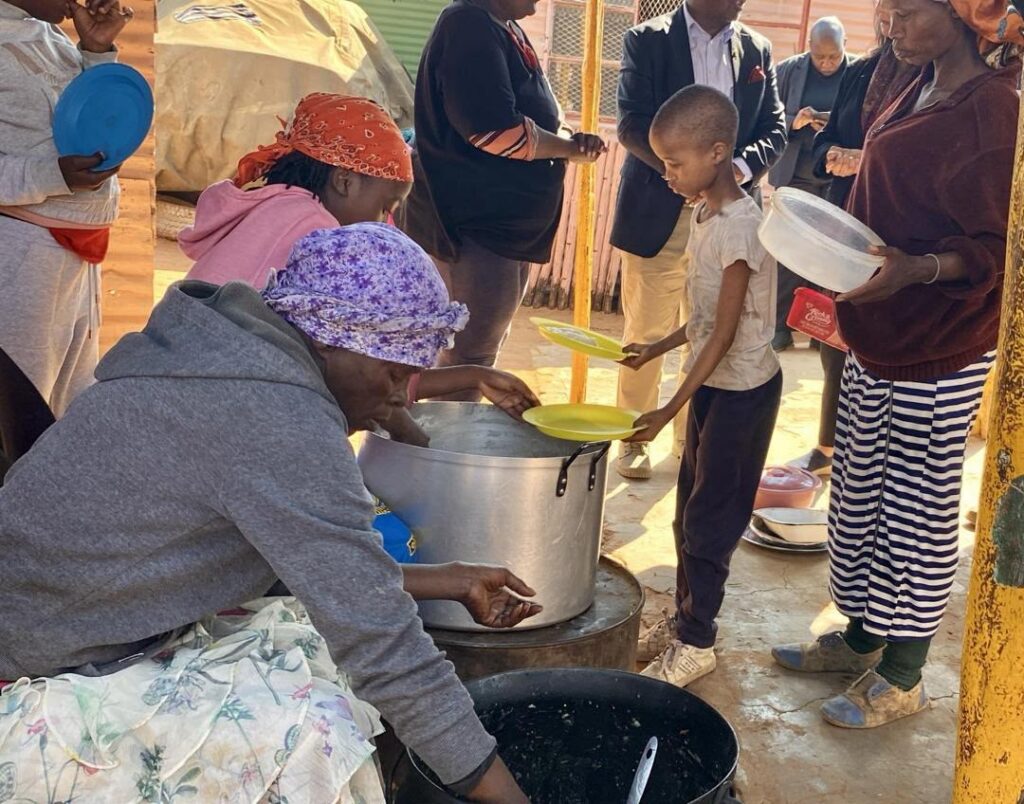

An estimated 78 495 people in the Kunene region are at an extreme level of food insecurity, with the region reporting that drought relief has been extended to 35 002 households.
The figures are contained in the Kunene Regional Council’s progress report for the 2024/2025 and 2025/2026 financial years, presented to the National Council by Khorixas councillor Eddie Nanub on Monday.
The report says the Namibia Annual Livelihood Vulnerability Assessment and Analysis conducted in May and June 2024 identified 78 495 people facing extreme food insecurity.
The situation was expected to continue from October 2024 to March 2025.
Following the declaration of a state of emergency over drought in May 2024, relief support was expanded across the region, with 35 002 households receiving assistance.
The relief included 137 562 bags of 20kg maize meal, 112 068 bottles of 750ml cooking oil, 149 424 tins of 400g fish and 149 424 packs of soya mince.
“The Kunene region continued to experience severe drought and the wider effects of climate variability, including persistent heat and irregular rainfall,” said Nanub.
He said these conditions placed increased pressure on human health, livelihoods, food security and water resources.
The report also highlights water shortages as a continuing challenge, with the Namibia Water Corporation drilling and testing 20 boreholes at a reported cost of N$13.4 million.
A further 21 boreholes were drilled through communal water-point development, although only 10 were recorded as successful, while three were dry.
Nanub has since called for continued investment in climate resilience, water security and drought preparedness, including boreholes, rehabilitation of water points, desalination solutions and support for livestock and crop production.
The post 78 495 Kunene residents without food appeared first on The Namibian.