World's largest cobalt producer bans copper and cobalt concentrate exports, hitting Chinese, Canadian and Swiss mining giants
The Democratic Republic of Congo has officially banned the export of copper and cobalt concentrates to encourage more processing within its own borders.
 Black News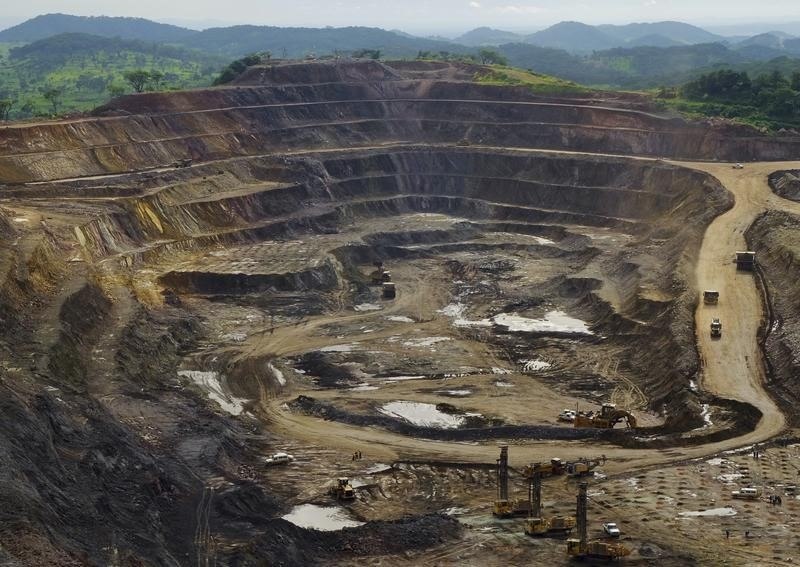

The Democratic Republic of Congo has officially banned the export of copper and cobalt concentrates to encourage more processing within its own borders.
- The Democratic Republic of Congo has banned the export of copper and cobalt concentrates.
- This policy aims to keep more mineral profits within the country and boost the Congolese economy.
- The ban is immediate, but allows for special waivers and comes with a new tax system on mining.
- Major international mining companies, especially from Switzerland, Canada, and China, are directly impacted by these new rules.
This significant move is intended to help the nation keep a larger share of the profits from its vast mineral wealth instead of shipping raw materials elsewhere.
As the world’s leading producer of cobalt and the second-largest supplier of copper, the Congo’s decision has major implications for the global mining industry.
Don't MISS THIS: Africa’s second-largest copper producer curbs raw copper exports and makes demands of Chinese firms
Congolese government wants local mineral processing for copper and cobalt
The new government order, signed by several high-ranking ministers, bans the export of concentrates effective immediately.
By requiring minerals to be processed locally, the government aims to increase national revenue and strengthen the domestic economy.
Don't MISS THIS: Another African country has banned the export of one of its most precious resources
While the ban is strict, the Mines Minister is allowed to provide special one-year waivers for exports that are considered strategically important.
This change forces international companies to rethink how they handle the minerals they extract from the country.
New taxes and global industry impact
In addition to the export ban, the Congo has introduced a new tax system for mining by-products, which includes a transition period of three months.
Reuters reported that this new tax regime uses a 55% valuation coefficient to ensure the country receives more financial benefit from these additional materials.
Several of the world’s largest mining companies are affected by these new rules, including Swiss-based Glencore and Canada’s Ivanhoe Mines.
Major Chinese firms like CMOC, Huayou Cobalt, and Zijin Mining, along with the Eurasian Resources Group, also face these new restrictions as the country shifts its mining strategy.
It is worth noting that the ban applies specifically to copper and cobalt concentrates rather than all raw minerals.
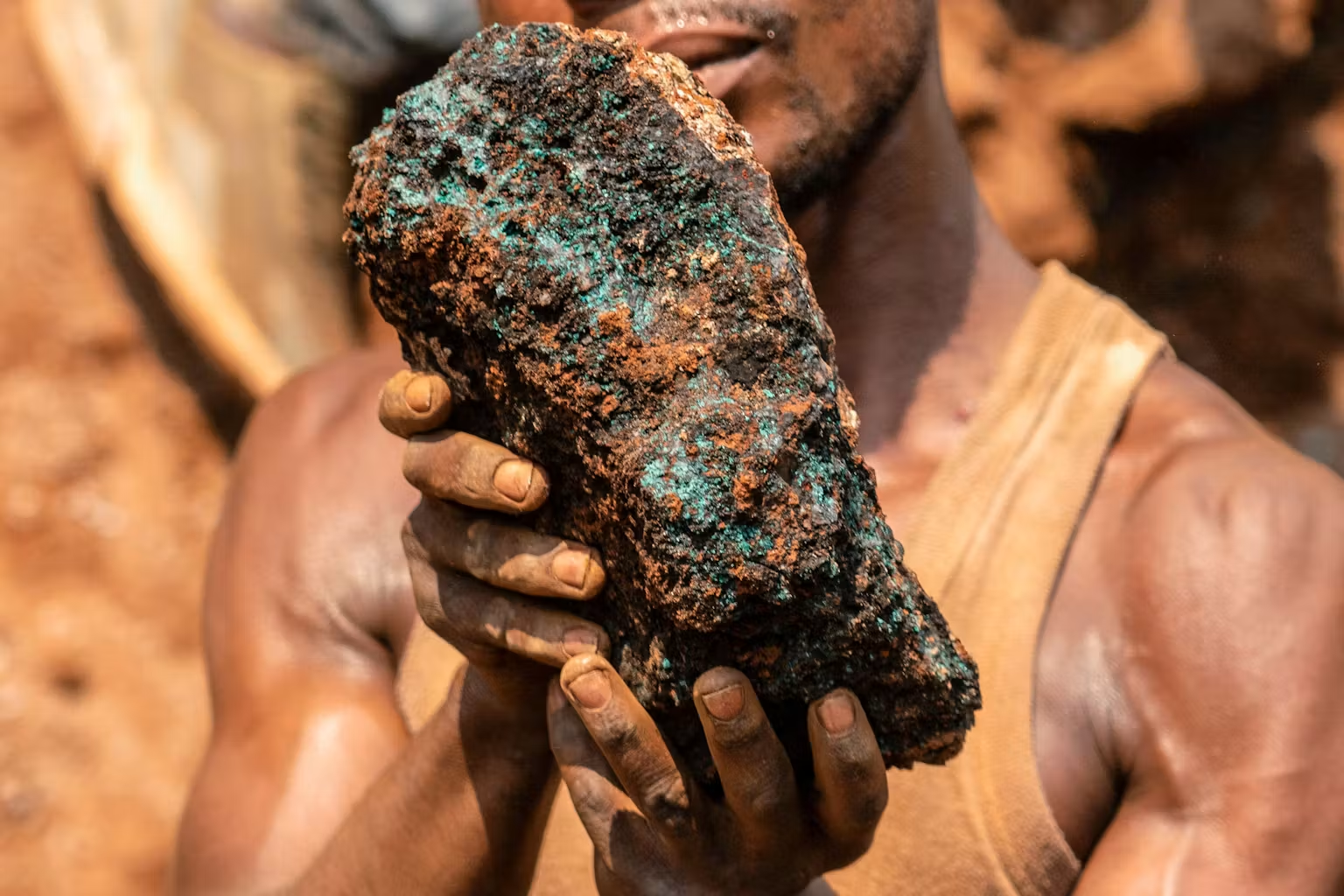
Concentrates are produced after mined ore has been crushed and processed to remove much of the waste rock, leaving a material with a much higher content of copper or cobalt. They are usually exported for further refining into finished metals.
Other African countries are banning raw export
This move by the Congo is part of a growing trend across the continent as more nations refuse to ship out raw materials without processing them first.
For example, Business Insider Africa reported that Nigeria recently banned the export of raw cocoa beans to ensure that its crops are ground, pressed, and turned into chocolate within its own borders.
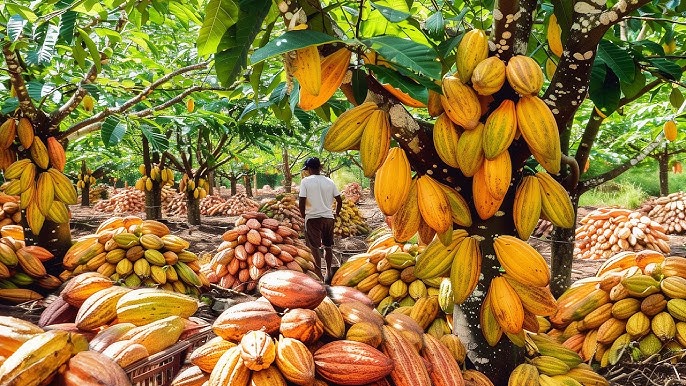
Don't MISS THIS: World’s fourth-largest cocoa producer bans raw exports to the West
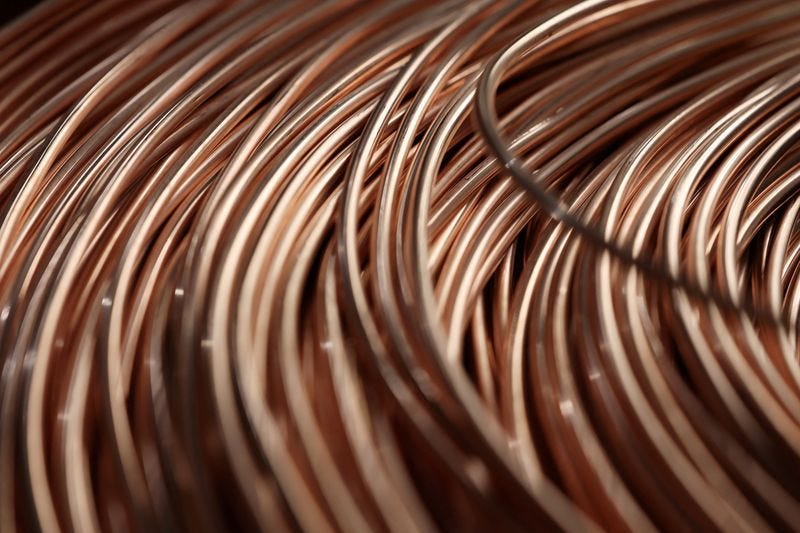
Similarly, Zambia has restricted the export of unrefined copper to force international companies to build local manufacturing plants that can produce finished goods like high-voltage electrical cables.
These governments are focused on creating domestic jobs and capturing a much larger share of the profits that come from finished products.
Other nations are taking similar steps with their mineral wealth to stop the practice of raw resources leaving the continent daily to be certified and sold elsewhere.
DON'T MISS THIS: Africa's largest gold producer grows gold reserves to massive $11.9 billion despite a $1.9 billion loss from a program
Guinea recently prohibited the export of unrefined gold, requiring all gold to be processed into ingots at a local facility before being sold internationally.
Also, Zimbabwe has suspended the export of lithium concentrates to encourage in-country value addition and prevent the loss of wealth through unrefined shipments.
Together, these countries are forming a united front to ensure their natural resources serve as a long-term engine for their own industrial development.