Somalia orders UAE ambassador to leave within 72 hours, recalls own envoy
MOGADISHU (Somaliguardian) – Somalia ordered the United Arab Emirates ambassador to leave the country within 72 hours and recalled its own envoy from Abu Dhabi on Thursday, accusing Abu Dhabi of violations of sovereignty that officials described as an “open invasion.” The measures, announced by Information Minister Abdifatah Kasim Mohamud after a cabinet meeting chaired […]
 Black News
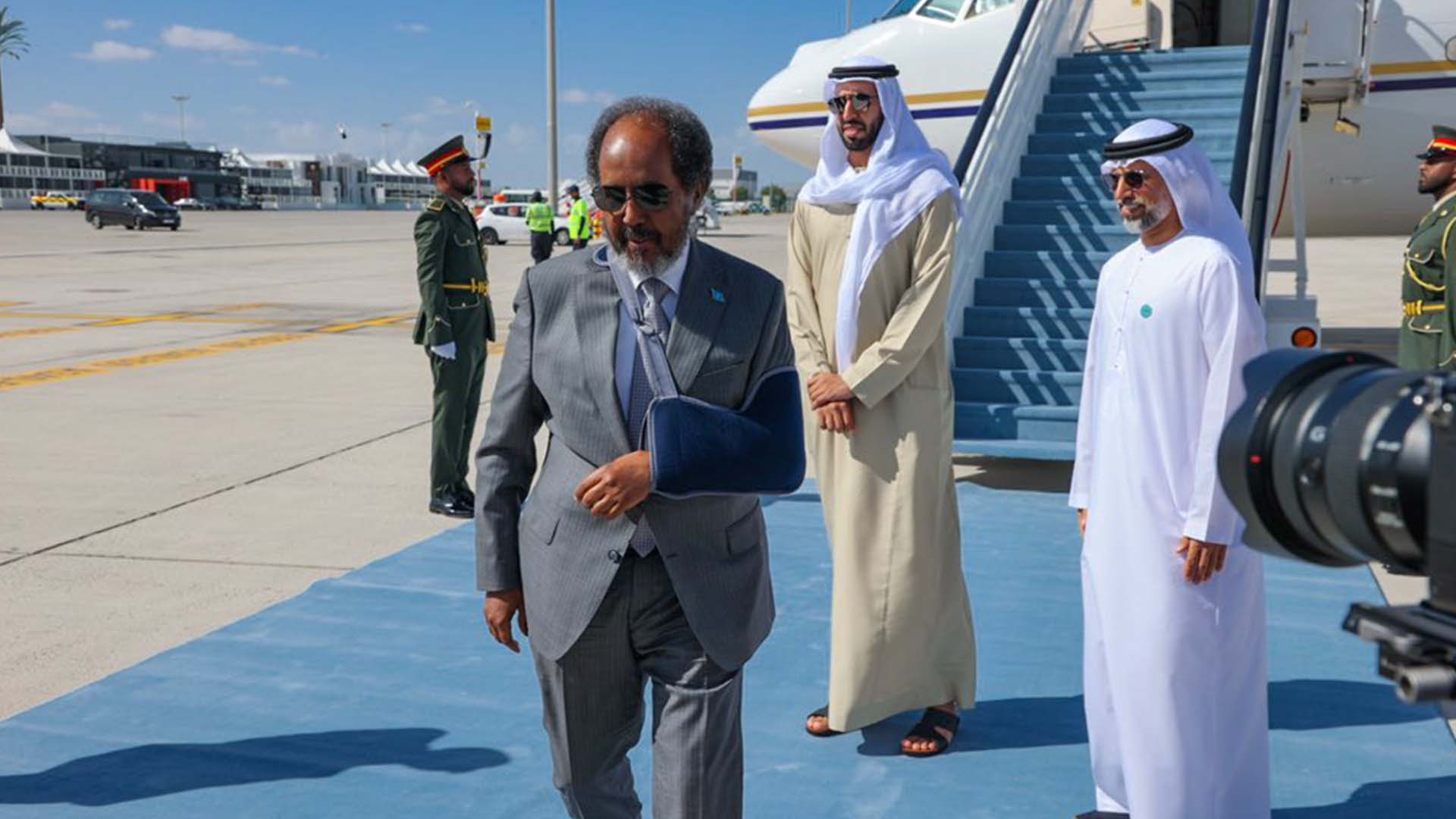
MOGADISHU (Somaliguardian) – Somalia ordered the United Arab Emirates ambassador to leave the country within 72 hours and recalled its own envoy from Abu Dhabi on Thursday, accusing Abu Dhabi of violations of sovereignty that officials described as an “open invasion.”
The measures, announced by Information Minister Abdifatah Kasim Mohamud after a cabinet meeting chaired by Prime Minister Hamza Abdi Barre, mark the sharpest break yet in a relationship that has deteriorated for nearly a year. The foreign ministry was instructed to notify the Emirati ambassador Ahmed Jumaa Mohamed Hathboor Alremeithi – to depart and to summon Somalia’s ambassador in the UAE, Hussein Abdi Halane, for consultations.
“Measures will be taken against anyone who cooperates with UAE in the invasion against Somalia,” Mohamud said in a broadcast on the state-run news agency. He urged Somalis to “defend their country and unite against the open invasion of the UAE against the sovereignty, security, land and unity of Somalis.”
The cabinet said it had reviewed a foreign ministry report detailing what Mogadishu called continued Emirati interference in Somalia’s internal affairs, territorial integrity, and national security.
The decision follows a televised address on Tuesday in which President Hassan Sheikh Mohamud accused the UAE of giving economic and political support to regional Somali administrations in opposition to the federal government. He said Abu Dhabi had signed agreements related to the ports of Berbera, Bosaso, and Kismayo with regional authorities and without federal consent. Officials have also alleged that the UAE established military facilities and supported armed forces outside Somalia’s national security framework.
There was no immediate response from the UAE foreign ministry. Senior presidential adviser Anwar Gargash had earlier rejected Mohamud’s accusations, suggesting the Somali leader’s remarks reflected personal political calculations rather than the country’s national interests.
The rift has roots in January, when Somalia’s cabinet annulled all agreements with the UAE covering ports, government institutions, security, and defense cooperation, citing threats to sovereignty. Authorities in Somaliland, Puntland, and Jubbaland – regions that maintain their own commercial and security ties with Abu Dhabi – rejected Mogadishu’s authority to cancel arrangements involving their territories. Since then, Somalia has closed its airspace to Emirati military and cargo aircraft.
The UAE has for years been one of the most active external players in the Horn of Africa. Between 2014 and 2018 it trained hundreds of Somali troops and has continued to pay salaries and provide logistical support to roughly 3,400 military police and special forces personnel in and around Mogadishu. It has also backed port and commercial projects along shipping routes critical to Red Sea and Gulf of Aden traffic. Abu Dhabi has long denied meddling in Somalia’s affairs and framed its activities as contributions to stability and economic development.
Thursday’s order does not formally sever diplomatic relations, but the language of invasion and the 72-hour deadline leave little room for ambiguity. For the federal government in Mogadishu, the step is an attempt to reassert control over foreign policy and strategic assets at a time when regional administrations have cultivated independent external partnerships. For the UAE, it complicates a broader strategy of securing influence through ports, logistics, and security cooperation across a region that sits astride some of the world’s busiest maritime corridors.
Observers will now watch whether the measures remain confined to the two ambassadors or expand to other Emirati personnel, commercial contracts, or security arrangements. Regional authorities in Somaliland, Puntland, and Jubbaland have previously signaled they intend to maintain their existing relationships with Abu Dhabi. How those positions evolve in the coming days will determine whether the dispute remains a diplomatic rupture or becomes a deeper fracture in Somalia’s federal system.
As of Thursday evening, neither capital had issued further official statements. The next 72 hours will show whether the order is fully implemented and how both governments choose to manage the consequences.
Contact us: info@somaliguardian.com