Law students make their imprint through community legal awareness
An initiative by second-year law students at the University of Namibia (Unam) has taken legal information on wills and deceased estates directly to the community. The Imprint Project initiative seeks to raise awareness on the importance of having a will and to help community members better understand what happens to an individual’s property after death.... The post Law students make their imprint through community legal awareness appeared first on New Era.
 Black News


An initiative by second-year law students at the University of Namibia (Unam) has taken legal information on wills and deceased estates directly to the community.
The Imprint Project initiative seeks to raise awareness on the importance of having a will and to help community members better understand what happens to an individual’s property after death.
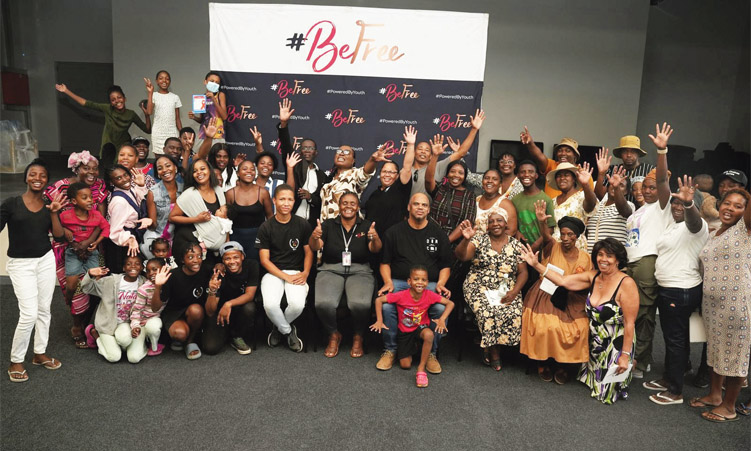
This is according to law student Lasarus Jonker, who spoke at the Wills and Estates Planning Awareness Session held recently at Havana Four-Way.
The project, which mainly focuses on wills, deceased estates, and access to legitimate legal assistance, also addresses misconceptions that prevent people from making arrangements for their property after death, Jonker added.
Jonker also said that the main motivation behind the initiative was to improve access of legal information through the students’ Community Impact Project module.
He said that the students realised that information about wills, deceased estates and estate planning often remains within law offices, banks and fiduciary institutions. The people who could benefit from that information do not always encounter it in their everyday lives.
“We therefore decided to reverse the process. Instead of expecting people to come looking for information, we decided to take the information directly to the people,” said Jonker.
He said the location was deliberately chosen because Havana Four-Way is a visible, active community space where people live, work, trade, and move through their daily lives.
He added that the project focuses on wills and deceased estates because death eventually affects every family, yet estate planning is often only discussed after an individual has died.
“At that stage, the family is grieving while simultaneously trying to determine whether there is a will, where documents are kept, what assets and debts existed, what happens to pension benefits and who should deal with the deceased estate,” he said.
One of the main misconceptions, he said, that the students are seeking to challenge is that wills are only for wealthy people.
Jonker said a person does not need to own several houses or have millions of dollars before estate planning becomes relevant.
According to him, many people may not consider themselves to have an estate, yet they may own a vehicle, livestock, savings, insurance, a small business, household possessions, or simply personal belongings that matter to them and their family.
The project also seeks to address the belief that a person’s family will automatically know what they want after their death.
“Your family may know what you told them, but a conversation about your wishes and having those wishes properly recorded are not the same thing,” Jonker said.
He also addressed the perception that making a will is automatically expensive, saying this belief could discourage people from seeking assistance.
He said that some institutions provide will-drafting or estate-planning assistance at no charge, while others have different terms and fees.
“Our message is therefore: ask, understand the service available, understand the terms, and then make an informed decision.”
The students also developed a practical tool called the “My Legacy File”, which Jonker said helps people organise important personal, legal and financial information. He said the file allows one to record information about important documents, where they are kept, and who should be contacted if something happens to them.
However, the file is not a will and does not replace professional legal advice.
The awareness day was the first community initiative undertaken under the Imprint Project, but Jonker said the students hope it will not be the last.
He said the project is intended to leave an “imprint” beyond the awareness day by encouraging participants to take the information home and share it with their parents, neighbours, siblings, friends and other family members.
“If one participant shares the information with five members of their family, the impact begins to extend beyond the event itself. That is the imprint we want to create,” he said.
He added that the students would also like the project model to be replicated in other communities, subject to support from legal practitioners, institutions and community partners.
Vanessa Nengola, another member of the Imprint Project, shared similar sentiments to Jonker.
“Some of the difficulties in questions on wills and deceased estates can simply be reduced through information, conversation and preparation.”
She said the event was held under the theme ‘Plan for Today. Care for Tomorrow’, which is a message that these conversations must start before they become urgent.
–imukube@nepc.com.na
The post Law students make their imprint through community legal awareness appeared first on New Era.