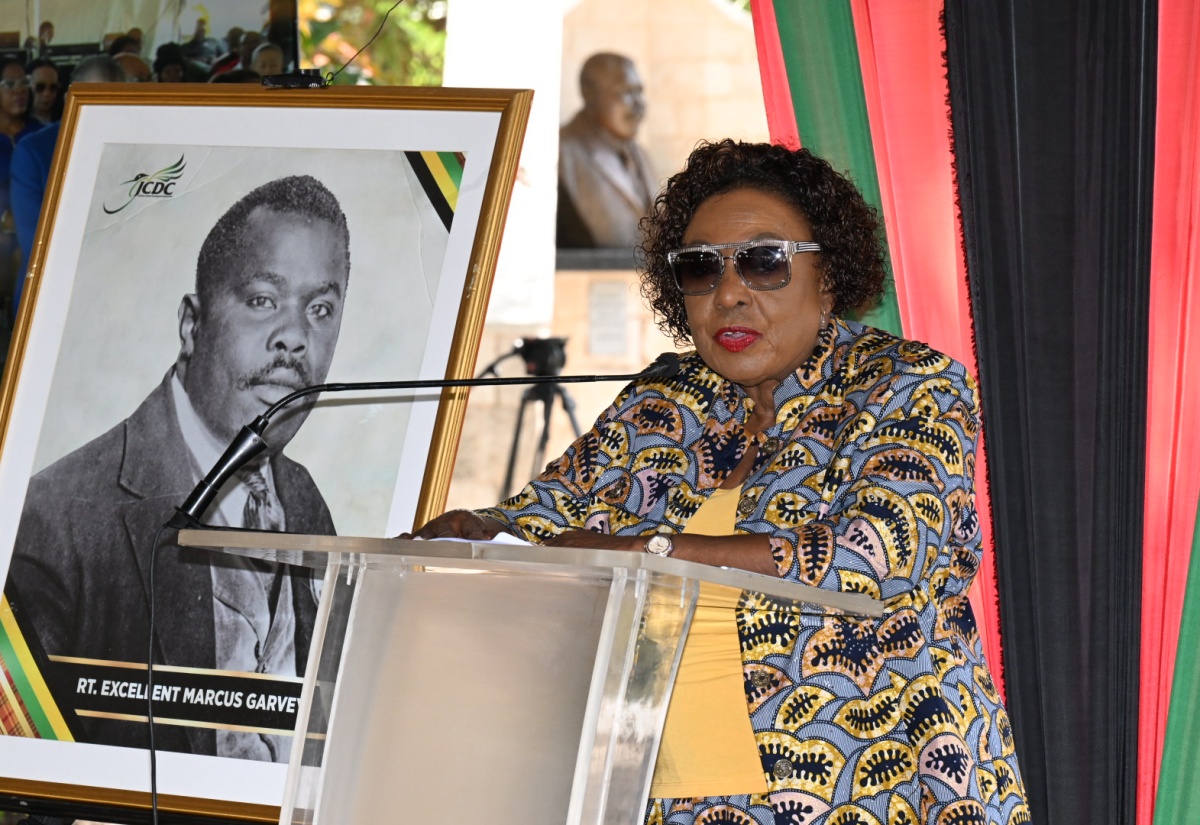
Houston advocates expand Black breastfeeding support
Houston advocates expand local breastfeeding support for Black mothers this Black Breastfeeding Week.
 Black News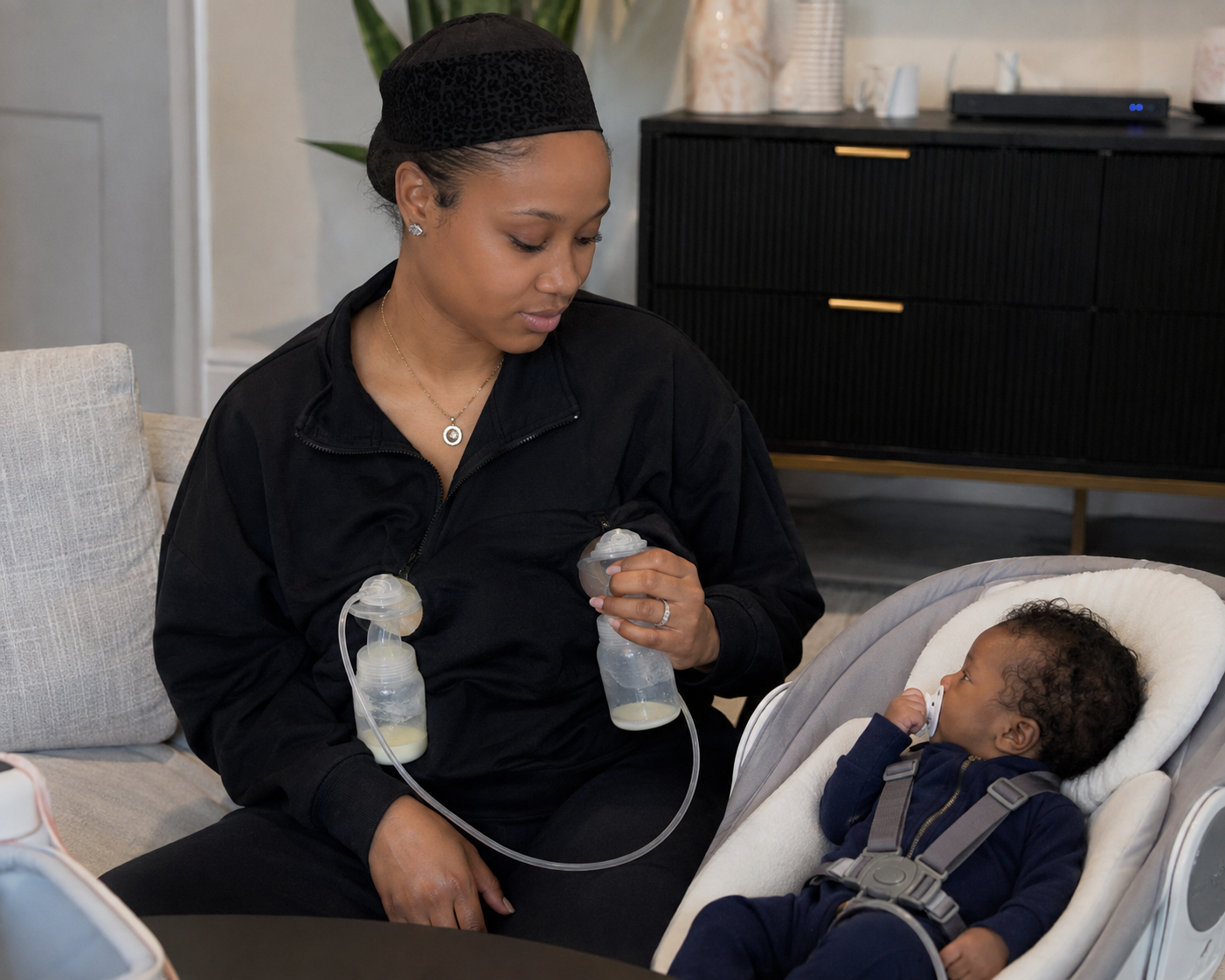


Black Breastfeeding Week returns Aug. 25-31, and in Houston, home to the nation’s highest Black maternal mortality rate, a growing network of local advocates is working to close longstanding gaps in breastfeeding support.
The Centers for Disease Control and Prevention found 73.6% of Black mothers initiated breastfeeding in 2019, the lowest rate of any racial group and about 17 percentage points behind Asian mothers, who had the highest rate.
Public health experts view this statistical gap as a concern because breastfeeding provides significant, documented health advantages for both parents and infants. Breastfeeding rates affect both mothers and babies, leading to missed health benefits. Research indicates that breastfeeding reduces risks of asthma, ear infections, Type 1 diabetes, obesity, and Sudden Infant Death Syndrome (SIDS) for babies, while mothers experience lower risks of breast cancer, ovarian cancer, Type 2 diabetes, and high blood pressure.
Black Breastfeeding Week
Black Breastfeeding Week was founded in 2013 by Kimberly Seals Allers, Kiddada Green, and Anayah Sangodele-Ayoka to address that gap and its roots, which trace back to slavery, when enslaved Black women were forced to nurse the children of enslavers while their own children went without.
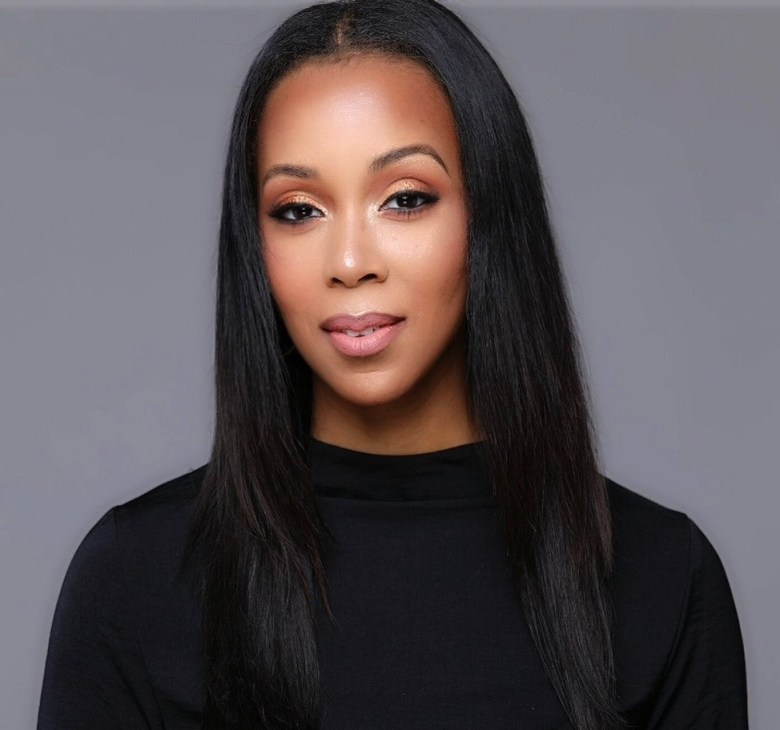
Dr. Charlee King is a doctor of public health whose dissertation examined breastfeeding disparities among non-Hispanic Black women. She is building LactaTrack, a breastfeeding support app launching this Black Breastfeeding Week. The app lets mothers log feeding and pumping sessions, track how long stored milk is safe to use, locate lactation consultants, and generate shareable reports for pediatricians.
“Mainly with Black mothers, they did not get any assistance,” King said. “They didn’t know where to look. They didn’t know what an IBCLC was, and when they did find out, they didn’t know exactly how to find them.”

The app also outlines mothers’ workplace rights, since many employers are unaware that Texas law requires a private, non-bathroom space for pumping. She runs a separate business, the Mom Room, that audits and builds out lactation spaces for companies found out of compliance, noting that many provide the room without a chair, sink, or refrigerator.
Engineering a better pump
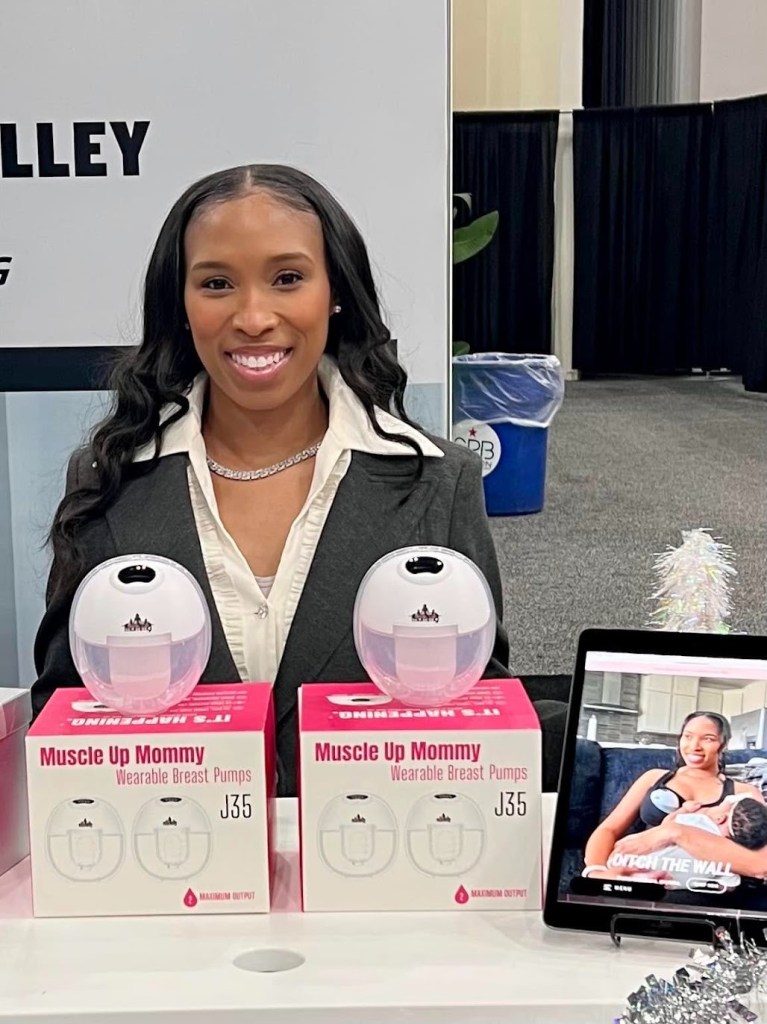
Muscle Up Mommy founder Mykel B. Davis approached the same gap through hardware. Davis started the Houston-based brand in 2016 as an online postpartum fitness community after struggling to find support following the birth of her twin daughters. In 2023, she launched the J35, described as the first Black-owned wearable breast pump, after her own breastfeeding journey with her twins lasted just three and a half months without cordless equipment.
“That’s not conducive to my lifestyle,” Davis said of traditional pumps that require mothers to stay near an outlet. “I wanted to create a completely cordless option that was not on the market.”
With her youngest daughter, born after the J35 launched, Davis breastfed for more than two years. She said funding remains the biggest barrier for Black-owned femtech brands, particularly as diversity-focused corporate investment has declined. Muscle Up Mommy remains fully self-funded and has shipped to all 50 states and Puerto Rico. She also hosts MomFest, an annual Houston festival connecting mothers with doulas, lactation consultants, and pelvic floor therapists.
Advocating beyond the feed

Rayna Reid Rayford, founder of Pregnant and Black, centers her advocacy on the broader maternal health system that shapes whether breastfeeding is possible at all. Rayford is a Houston-based lawyer and journalist. She was 30 weeks pregnant when the emergency room sent her home despite severe pain.
She returned at 31 weeks with acute necrotizing appendicitis and needed emergency surgery. Five family members who are doctors happened to be in the waiting room and pushed for the testing that ultimately saved her life and her daughter’s.
“It’s about looking into why Black mothers face additional barriers and what we as a community can do to remove those barriers. Lactation consultants matter, doulas matter, midwives matter, OB-GYNs, nurses, pediatricians, community organizations; it does take all of us.”
Rayna Reid Rayford, founder of Pregnant and Black
That experience led her to found Pregnant and Black, a free platform connecting pregnant women with trained healthcare advocates. Rayford went on to exclusively pump for a year, logging more than 1,500 hours around a rigorous overnight schedule.
“Whether a mother is able to initiate breastfeeding, continue, or meet their own feeding goals is influenced by everything that comes before it,” Rayford said, pointing to prenatal care, trust in providers, postpartum support, paid leave, and child care as compounding factors.
Black Breastfeeding Week is more than just breastfeeding for many maternal healthcare advocates.
“It’s about looking into why Black mothers face additional barriers and what we as a community can do to remove those barriers,” Rayford said. “Lactation consultants matter, doulas matter, midwives matter, OB-GYNs, nurses, pediatricians, community organizations, it does take all of us.”









![Much More Than A Miscarriage Of Justice: Lana Adams On The Man, The Misfortune & The Mission Behind ‘42 Years For Nothing’ [Exclusive]](https://bossip.com/wp-content/uploads/sites/28/2026/08/image-collage-35.jpg?quality=80&strip=all&w=1680&crop=0,0,100,960px#)