
From Pledges to Power: Africa’s New Climate Leadership Agenda
Africa is seeking a stronger role in shaping the global climate agenda, with policymakers, development institutions, and civil-society leaders calling for a shift from climate commitments to implementation, investment, and.
 Black News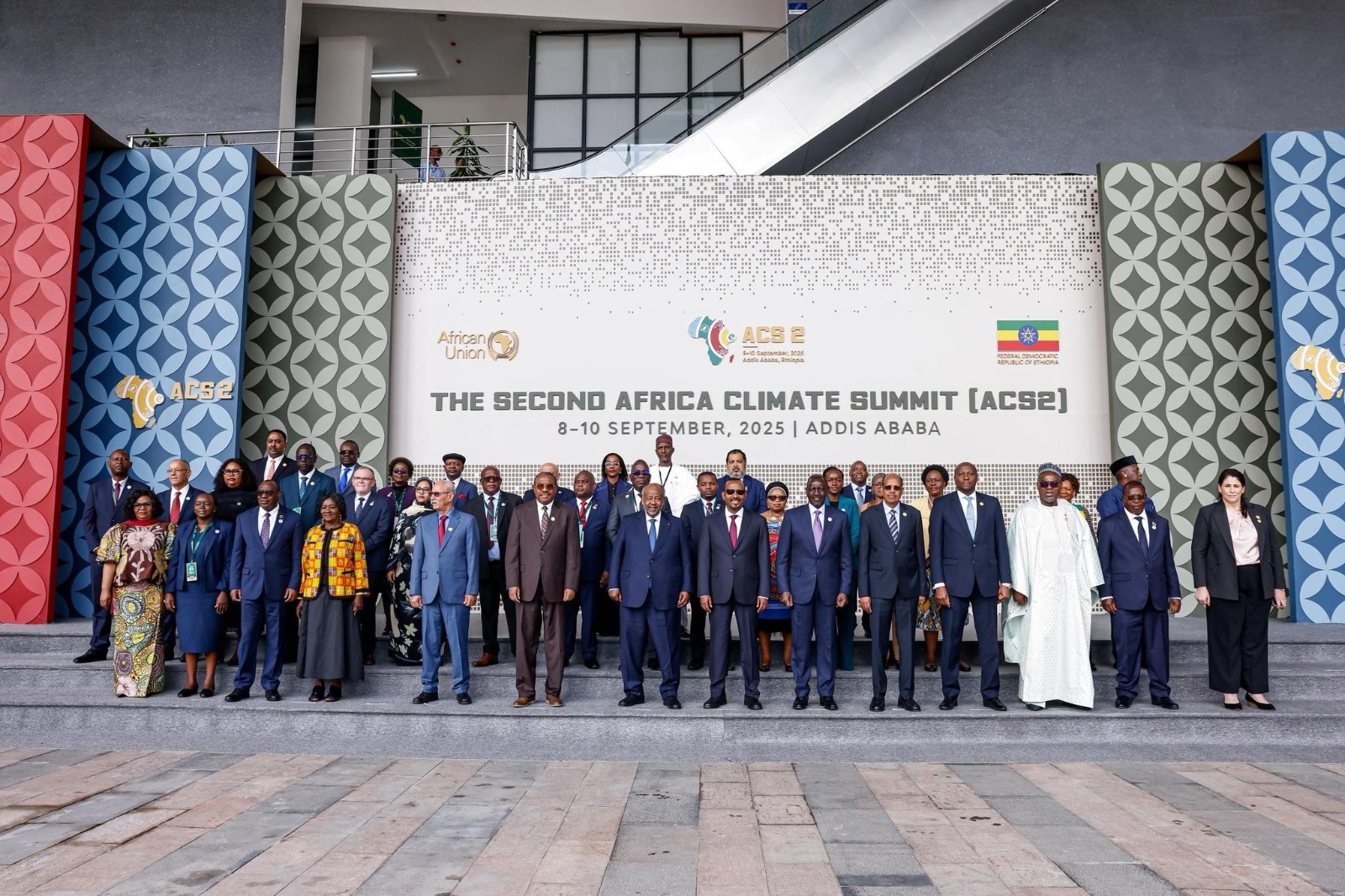
Africa is seeking a stronger role in shaping the global climate agenda, with policymakers, development institutions, and civil-society leaders calling for a shift from climate commitments to implementation, investment, and African-led solutions.
The message emerged strongly from the 14th Conference on Climate Change and Development in Africa (CCDA-14), held in Addis Ababa from 7 to 9 September 2026 under the theme, From Pledges to Implementation: The Belém–Antalya–Addis Roadmap.
READ ALSO: After COP30: Why the World Needs Africa to Secure the Future of Food
The conference concluded with calls for stronger climate finance, greater African agency and practical delivery ahead of COP31. Participants also emphasised the importance of science, technology and innovation in advancing climate-resilient development.
For Africa, the shift is significant.
The continent contributes relatively little to historical global greenhouse-gas emissions compared with many industrialised regions, yet it remains highly exposed to climate-related risks. Droughts, floods, changing rainfall patterns and rising temperatures are placing pressure on agriculture, infrastructure, water systems and livelihoods.
But Africa’s climate story is increasingly moving beyond vulnerability.
The continent possesses enormous opportunities in renewable energy, sustainable agriculture, climate-smart infrastructure, conservation and green industrialisation. With the right investment, climate action can drive economic transformation rather than simply respond to environmental risk.
This is why the call for stronger African agency matters.
Climate finance must support projects designed around Africa’s development priorities, while African governments and institutions must strengthen their ability to develop bankable projects, mobilise domestic resources and attract private capital.
Technology will also be central. Digital systems can improve climate monitoring, strengthen early-warning mechanisms and help farmers respond to changing weather patterns. Renewable energy can expand electricity access while supporting low-carbon industrial development.
The Addis Ababa discussions also come at an important moment for African diplomacy. As the continent prepares to engage in the global climate negotiations leading towards COP31 and the African-hosted COP32 in Addis Ababa in 2027, African countries have an opportunity to present a more coordinated vision of climate and development.
That vision should place economic transformation at its centre.
Africa should not have to choose between development and climate responsibility. With appropriate financing and technology, investments in energy, transport, agriculture and urban infrastructure can simultaneously support economic growth and climate resilience.
The challenge now is implementation.
Africa has no shortage of climate strategies, declarations or commitments. What matters increasingly is the ability to convert them into projects, businesses, jobs and infrastructure that improve lives.
CCDA-14’s emphasis on implementation therefore offers an important signal: Africa wants to be more than a participant in global climate discussions. It wants to help shape the solutions.
The continent’s climate future will be determined not only by the resources it receives, but by the strength of its institutions, the quality of its ideas and its ability to mobilise investment behind African priorities.
The next chapter of Africa’s climate story should be one of leadership—where African challenges inspire African solutions, and climate action becomes a platform for a more resilient and prosperous continent.