CBN Opens Regulatory Sandbox for Nigeria’s Virtual Asset and Fintech Sector
Nigeria has launched a new regulatory sandbox for virtual asset operators, fintechs, financial institutions and technology companies as the country moves to strengthen oversight of ......
 Black News

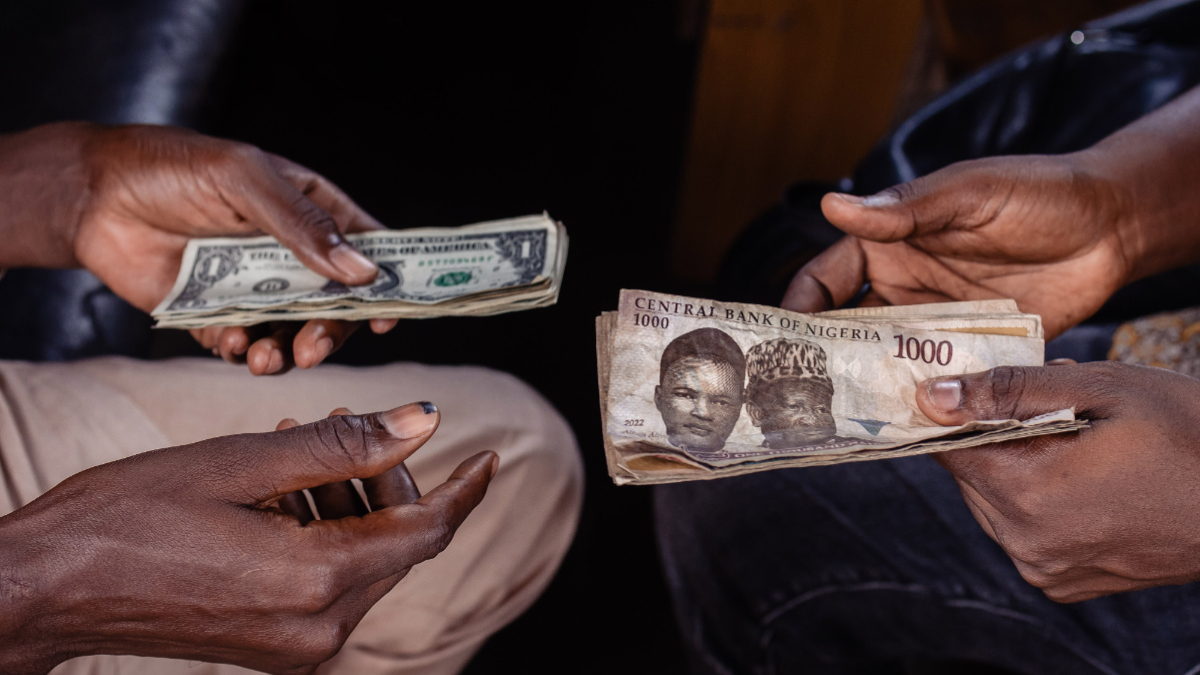
Nigeria has launched a new regulatory sandbox for virtual asset operators, fintechs, financial institutions and technology companies as the country moves to strengthen oversight of its growing digital finance sector.
The Central Bank of Nigeria (CBN) said applications for the second cohort of its Regulatory Sandbox Programme will open on August 12 and close on August 31, 2026. The programme features a Virtual Asset Service Provider (VASP) track covering stablecoins, payment and settlement services, custody, wallets and related infrastructure.
A second track will support non-VASP companies using secure digital infrastructure and permission-based data sharing to improve payments, credit, risk management, operational efficiency and financial inclusion.
The sandbox gives the CBN responsibility for overseeing virtual assets used for payment-related activities, while the Securities and Exchange Commission (SEC) will continue to regulate digital assets that function as securities.
The initiative builds on the CBN’s earlier stablecoin-related supervisory pilot involving fintechs including Flutterwave, Paystack and Juicyway. It will also complement the SEC’s Accelerated Regulatory Incubation Programme, which has admitted digital asset companies into a supervised regulatory environment.
The new framework is expected to cover stablecoin providers, crypto on- and off-ramp companies, payment processors, settlement infrastructure operators, custody platforms and wallet service providers.
The move follows President Bola Tinubu’s July 18 Executive Order establishing the Virtual Asset Council, chaired by the CBN, to coordinate virtual asset regulation across government agencies. The council includes the SEC, Nigeria Revenue Service, Nigerian Financial Intelligence Unit and Office of the National Security Adviser.
Nigeria is one of Africa’s largest cryptocurrency markets. Chainalysis estimates that Nigerians transacted about $92.1 billion in cryptocurrencies between July 2024 and June 2025, with stablecoins increasingly being used for payments and remittances.
The CBN clarified that participation in the sandbox does not amount to a licence to operate outside approved testing parameters. Successful applicants will have to meet requirements covering consumer protection, cybersecurity, operational resilience and regulatory reporting.